AI for Science in Africa Virtual Course

September 16, 12:00 AM - January 20, 2027, 11:59 PM

Register
Deadline: June 1, 2026

Overview

The Michigan Institute for Data and AI in Society (MIDAS) at the University of Michigan, hosts one of the largest AI in Science postdoctoral training programs in the world, including an AI in Science African Faculty Fellows training program, funded by Schmidt Sciences. The virtual course is part of our effort to expand our support for African researchers. It is based on the highly regarded AI for Scientists and Engineers Summer Academy (Program Overview) that MIDAS offered in the summer of 2025 and 2026.

Topics

  • Foundations of AI and Essential Math/Stats Concepts
  • Supervised Learning
  • Unsupervised Learning, Clustering, and Dimensionality Reduction
  • Neural Networks and Deep Learning
  • Foundation Models for Domain Research, Challenges of Using AI in Research
  • Scientific Programming in Python
  • Data Cleaning
  • Building Machine Learning Pipelines
  • Foundation Models and Open Source Models
  • Advanced Deep Learning and Generative Models
  • Causal Inference
  • AI for Scientific Discovery
  • Physics-Informed Machine Learning
  • Uncertainty Quantification

Additional Information

By the conclusion of the module, participants will:

  • Be ready to take the next steps in their AI journey
  • Be better prepared to integrate AI approaches into their research
  • Collaborate more effectively with AI experts

This virtual course is free!

Researchers (faculty, staff, postdocs, and students)  located in Africa

This is designed for researchers in a wide range of research domains, including biological and biomedical sciences, engineering, environmental and earth sciences, physical sciences, and social sciences.

College level math and statistics

Note: prior coding experience is not required

Self-paced learning modules (approximately 90 hours of training materials) through lecture videos and slide decks with live office hours via Zoom

4 months of full access to all course materials from September 16, 2026 to January 20, 2027

Participants who complete the module and provide feedback through a survey will receive a training certificate of completion and digital training badge.

Lead Instructors
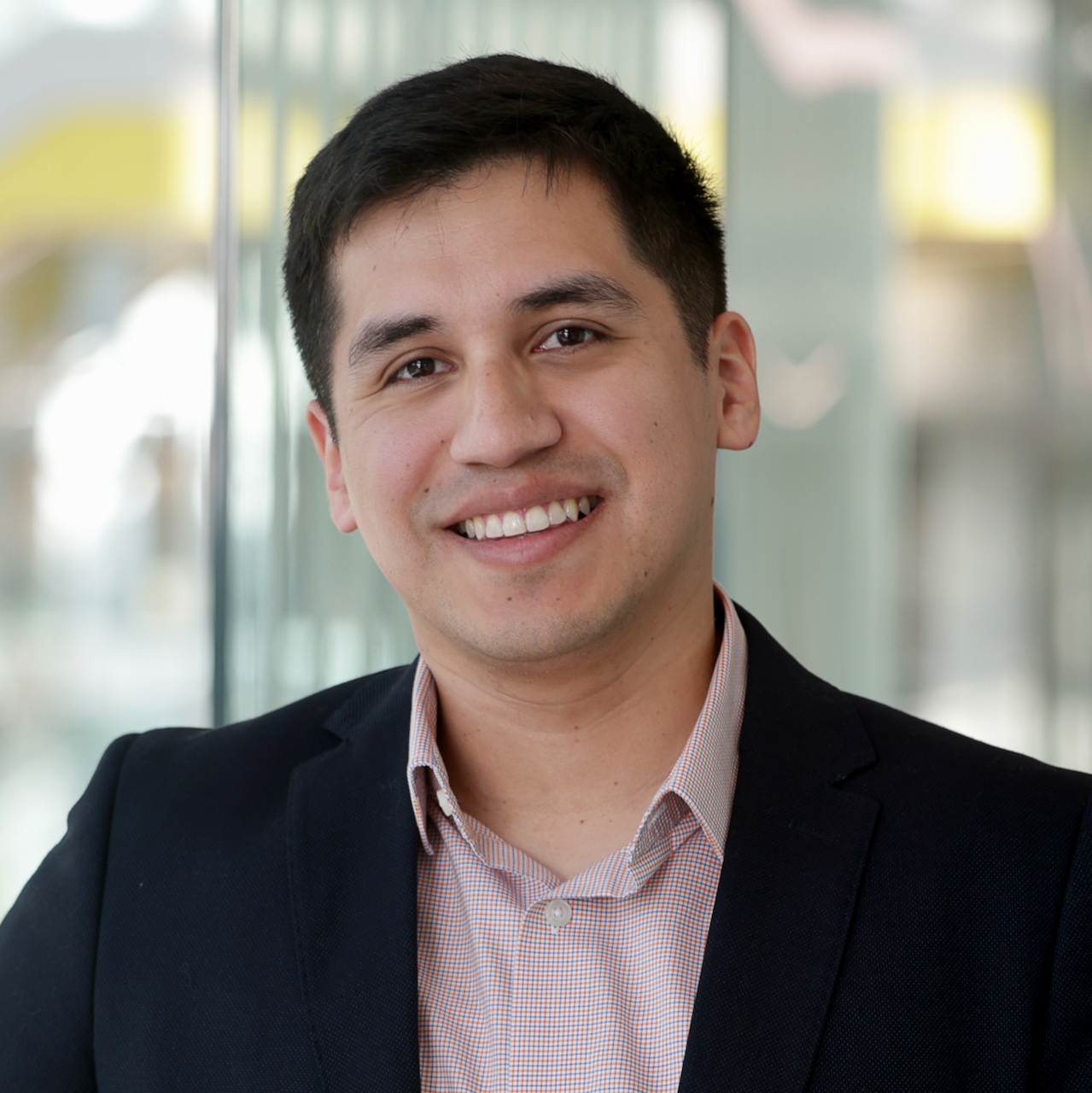
More instructors to be announced soon!

Dr. Alexander Rodríguez

Assistant Professor of Electrical Engineering and Computer Science, College of Engineering
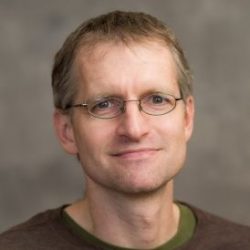
Dr. Kerby Shedden

Professor and Associate Chair, Department of Statistics, College of Literature, Science, and the Arts

Elle O'Brien headshot and smiling at the camera wearing a gray sweater
Dr. Elle O’Brien

Lecturer IV in Information and Research Investigator

Testimonials

I would strongly recommend this training to others, particularly scientists, engineers, and postgraduate students who wish to integrate AI and machine learning into their research. The training is well structured, balances theory with practical application, and emphasizes critical thinking in model development and evaluation. It demystifies AI concepts and equips participants with transferable skills that are immediately applicable across disciplines. The focus on real-world examples and ethical considerations makes it especially valuable for researchers seeking responsible and impactful use of AI in scientific problem-solving.

— Dr. Solomon Omwoma Lugasi, Jaramogi Oginga Odinga University of Science and Technology (JOOUST)

I would strongly recommend this training to colleagues and peers. The course was well-structured, highly informative, and delivered with excellent technical quality. It provided practical insights into AI approaches that are directly applicable to research and professional work. The combination of clear instruction, interactive support, and smooth streaming made it a valuable learning experience worth sharing with others.

— Dr. Priscah Mogotu Omoke, Jaramogi Oginga Odinga University of Science and Technology (JOOUST)

The training was very informative and eye opening. The content was well-structured since it was step by step, easy to follow, and very relevant to me. I have learnt a lot although I did not get to the end but I believe I will still complete the downloaded material. The training has made the concept of AI more meaningful to me and I believe that with time I will be able to apply it in my area of research. I hope that we can get more engagements in the future to make sure that we have also started applying the concepts learned. This will make sure that the training was a success since the goal will be met.

Thank you for giving us an opportunity to attend the AI virtual training. As a student, I found the session extremely valuable in helping me better understand how AI can support my research, and problem solving. The tutors were very knowledgeable and presented the contents well. Any further opportunity to enrich and grow the knowledge so far gained will be much appreciated.

— Dr. Akisa David Mwangi, Jomo Kenyatta University of Agriculture and Technology

Questions?

Reach out to [email protected]