Academy Overview
The AI for Scientists and Engineers Summer Academy is designed for academic researchers, including university faculty, in a wide range of domains including biological sciences, engineering, environmental and earth science, physical sciences, and social sciences. Participants will learn the mathematical foundations of machine learning (ML), critically assess the data used in AI models, evaluate and validate ML model outputs, and understand strategic considerations for incorporating AI into research workflows. The prerequisites are college level math and statistics; prior coding experience is not required. Specific topics include supervised and unsupervised learning, neural networks, causal inference, and science-informed machine learning models.
The Summer Academy consists of three weeks of instructions, with different focuses. One can choose to attend any or all weeks; however, weeks 2 and 3 require some prior knowledge of AI / ML.
- Week 1 (Monday, July 13 – Friday, July 17, 2026): The conceptual understanding of AI and its applications in domain research.
- Week 2 (Monday, July 20 – Friday, July 24, 2026): The implementation of ML models in a Python environment.
- Week 3 (Monday, July 27 – Friday, July 31, 2026): Advanced topics of AI and its applications in domain research.
Participants are expected to bring a laptop for programming components of the academy.
Light breakfast options will be available daily. A dedicated lunch reception is planned for Wednesday each week.
Curriculum and Schedule
All schedules are subject to change. End times day to day will vary.
Week 1: Concepts and Applications
Monday, July 13 – Friday, July 17, 2026
9:00 AM – 4:30
*Subject to change
Click each section for more details
9:00 AM – 9:30 AM
Welcome and Program Overview
Presented by Kerby Shedden
MIDAS Resources
Presented by Frank Hu
9:30 AM – 10:30 AM
Conceptual Introduction to AI and ML
Presented by Kaiser Arndt
10:30 AM – 10:45 AM
Break
10:45 AM – 12:30 PM
Conceptual Introduction to AI and ML
Presented by Kaiser Arndt
12:30 PM – 1:30 PM
Lunch on your own
1:30 PM – 3:00 PM
Introduction to Supervised Learning
Presented by Will Weaver
3:00 PM – 3:15 PM
Break
3:15 PM – 4:30 PM
Introduction to Unsupervised Learning
Presented by Will Weaver
9:00 AM – 10:30 AM
Mathematical Foundations for AI
Presented by Calder Sheagren
10:30 AM – 10:45 AM
Break
10:45 AM – 12:30 PM
Mathematical Foundations for AI
Presented by Calder Sheagren
12:30 PM – 1:30 PM
Lunch on your own
1:30 PM – 3:00 PM
Mathematical Foundations for AI
Presented by Calder Sheagren
3:00 PM – 3:15 PM
Break
3:15 PM – 4:30 PM
Research Rigor, Reproducibility and Ethics
Presented by Paige Bowling
9:00 AM – 10:30 AM
Model Validation and Assessment
Presented by Ganesh Patil
10:30 AM – 10:45 AM
Break
10:45 AM – 12:30 PM
Statistical Inference and Data-centric Concepts
Presented by Kerby Shedden
12:30 PM – 1:30 PM
Lunch (provided)
1:30 PM – 3:00 PM
Statistical Inference and Data-centric Concepts
Presented by Kerby Shedden
3:30 PM – 3:45 PM
Break
3:45 PM – 5:00 PM
Model Interpretation and Causal Inference in Research
Presented by Kerby Shedden
9:00 AM – 10:30 AM
Dimensionality Reduction
Presented by Cindy Liu
10:30 AM – 10:45 AM
Break
10:45 AM – 12:30 PM
Introduction to Deep Learning
Presented by Cindy Liu
12:30 PM – 1:30 PM
Lunch on your own
1:30 PM – 2:30 PM
Case Study in Oceanography
Presented by Kerby Shedden
Spatial temporal analysis of ARGO float data
2:30 PM – 2:45 PM
Break
2:45 PM – 4:30 PM
Case Study in Ecology
Presented by Kerby Shedden
Spatial properties of plant species ranges
9:00 AM – 10:30 AM
Foundation Models
Presented by Xiaofeng Liu
10:30 AM – 10:45 AM
Break
10:45 AM – 12:30 PM
Foundation Models
Presented by Xiaofeng Liu
12:30 PM – 1:30 PM
Lunch on your own
1:30 PM – 3:00 PM
Addressing Practical Challenges in AI for Research
Presented by Frank Hu
Week 2: Implementations of AI for Research with Python
Monday, July 20 – Friday, July 24, 2026
9:00 AM – 4:00 PM
*Subject to change
Click each section for more details
9:00 AM – 9:30 AM
Welcome and Program Overview
Presented by Elle O’Brien
MIDAS Resources
Presented by Nathan Fox
9:30 AM – 10:30 AM
Introduction to Python Programming
Presented by Ali Bolcakan
10:30 AM – 10:45 AM
Break
10:45 AM – 12:00 PM
Introduction to Python Programming
Presented by Ali Bolcakan
12:00 PM – 1:00 PM
Lunch on your own
1:00 PM – 2:45 PM
Introduction to numpy and introduction to Pandas
Presented by Ali Bolcakan
2:45 PM – 3:00 PM
Break
3:00 PM – 3:45 PM
Intro to Visualization with Matplotlib
Presented by Ali Bolcakan
3:45 PM – 5:00 PM
AI-Assisted Coding and Development
Presented by Ali Bolcakan
9:00 AM – 9:45 AM
Data Wrangling
Presented by Ali Bolcakan
9:45 AM – 10:30 AM
Getting data into a Python environment
Presented by Ali Bolcakan
10:30 AM – 10:45 AM
Break
10:45 AM – 12:30 PM
Preparing data for analysis
Presented by Ali Bolcakan
12:30 PM – 1:30 PM
Lunch on your own
1:30 PM – 2:15 PM
Project Time
Instructed by Ali Bolcakan
2:15 PM – 2:30 PM
Break
2:30 PM – 3:00 PM
Introduction to sklearn
Presented by Eunjae Shim
3:00 PM – 3:15 PM
Break
3:15 PM – 4:30 PM
Introduction to sklearn
Presented by Eunjae Shim
9:00 AM – 9:30 AM
How ML Differs from Just Fitting a Model, Types of ML Problems, and Many Models to Choose From
Presented by Long-Jing Hsu
9:30 AM – 11:15 AM
Regression & Classification
Presented by Long-Jing Hsu
11:15 AM – 11:30 AM
Break
11:30 AM – 1:00 PM
Clustering
Presented by Long-Jing Hsu
1:00 PM – 2:00 PM
Lunch (provided)
2:00 PM – 3:30 PM
Evaluating ML Models
Presented by Shanshan Liu
3:30 PM – 3:45 PM
Break
3:45 PM – 5:00 PM
Model Selection
Presented by Shanshan Liu
9:00 AM – 10:00 AM
Introduction to HuggingFace and its Ecosystem for AI Models
Presented by Elle O’Brien
10:00 AM – 11:00 AM
Downloading / Accessing Pre-trained Models: For Various Modalities and Research Domains
Presented by Elle O’Brien
11:00 AM – 11:15 AM
Break
11:15 AM – 1:00 PM
Using Hosted Models via an API
Presented by Elle O’Brien
1:00 PM – 2:00 PM
Lunch on your own
2:00 PM – 2:30 PM
Embeddings
Presented by Elle O’Brien
2:30 PM – 4:00 PM
Embeddings and Clustering Continued
Presented by Elle O’Brien
10:00 AM – 11:00 AM
Multimodal AI: Vision Language Models
Presented by Nathan Fox
11:00 AM – 11:15 AM
Break
11:15 AM – 12:00 PM
Sandbox Time
Presented by Nathan Fox and Frank Hu
12:00 PM – 1:00 PM
Lunch on your own
1:00 PM – 2:00 PM
PyTorch/Tensorflow
Presented by Frank Hu
2:00 PM – 2:15 PM
Break
2:15 PM – 3:00 PM
Closing Q&A
Presented by Nathan Fox, Frank Hu, and Elle O’Brien
Week 3: “Passion Week” – Advanced Topics of AI Methods with Applications in Domain Research
Monday, July 27 – Friday, July 31, 2026
9:00 AM – 4:00 PM
*Subject to change
Click each section for more details
9:00 AM – 10:00 AM
Welcome and Program Overview
Presented by Alex Rodriguez
MIDAS Resources
Presented by Frank Hu
10:00 AM – 10:30 AM
Applications in Scientific and Engineering Research
Presented by Zheng Guo
10:30 AM – 10:45 AM
Break
10:45 AM – 12:00 PM
Generative Models
Presented by Zheng Guo
12:00 PM – 1:00 PM
Lunch on your own
1:00 PM – 2:45 PM
Generative Models
Presented by Zheng Guo
2:45 PM – 3:00 PM
Break
3:00 PM – 4:00 PM
Use Cases in Scientific Research (Invited Talks)
Presented by Yueying Ni & Mai Shi
9:00 AM – 10:45 AM
Physics-Informed Neural Networks (PINNs)
Presented by Xiaofeng Liu
10:30 AM – 10:45 AM
Break
10:45 AM – 12:00 PM
Hands-on Exercise
Instructed by Xiaofeng Liu
12:00 PM – 1:00 PM
Lunch on your own
1:00 PM – 2:45 PM
Knowledge-guided Machine Learning
Presented by Xiaofeng Liu
2:45 PM – 3:00 PM
Break
3:00 PM – 4:00 PM
Use Cases in Scientific Research (Invited Talks)
Presented by Xianzhang Xu & Will Weaver
9:00 AM – 10:45 AM
Neural Operators
Presented by Calder Sheagren
10:45 AM – 11:00 AM
Break
11:00 AM – 12:00 PM
Neural Operators
Presented by Calder Sheagren
12:00 PM – 1:00 PM
Lunch (provided)
1:00 PM – 2:45 PM
Hands-on Exercise
Instructed by Calder Sheagren
2:45 PM – 3:00 PM
Break
3:00 PM – 3:30 PM
Use Cases in Scientific Research
Presented by Calder Sheagren
9:00 AM – 10:45 AM
Introduction to ML in Neuroimaging & EEG Data Exploration
Presented by Frank Hu
10:45 AM – 11:00 AM
Break
11:00 AM – 12:00 PM
Classical ML & Time-Series Feature Engineering
Presented by Frank Hu
12:00 PM – 1:00 PM
Lunch on your own
1:00 PM – 2:45 PM
Deep Learning for Time Series – 1D CNN & Beyond
Presented by Frank Hu
2:45 PM – 3:00 PM
Break
3:00 PM – 4:00 PM
Results, Reflection & Broader Discussion
Presented by Frank Hu
9:00 AM – 10:30 AM
Introduction to Uncertainty Quantification
Presented by Cindy (Xinyu) Liu
10:30 AM – 10:45 AM
Break
10:45 AM – 12:00 PM
Common Approaches
Presented by Cindy (Xinyu) Liu
12:00 PM – 1:00 PM
Lunch on your own
1:00 PM – 2:15 PM
Applications of Uncertainty Quantification in AI/ML Methodologies
Presented by Cindy (Xinyu) Liu
2:15 PM – 2:30 PM
Break
2:30 PM – 4:00 PM
Use Cases in Scientific Research (Invited Talks)
Presented by Álvaro Vega Hidalgo, Ruipu Li, and Hongfan Chen
Additional Information
By the conclusion of the Academy, participants will be better prepared to integrate AI approaches into their research, collaborate more effectively with AI experts, and be ready to take the next steps in their AI journey.
Internal Participants (U-M Personnel and Students)
- Weekly Rate: $200
- Discounted Rate (All 3 weeks): $500 (Thanks to the support from the University that allows us to offer a deep discount for U-M employees and students)
- Free for students in the Graduate Data Science Certificate Program – a code will be provided
Other Academic Institution and U-M Alumni
- Weekly Rate: $1,000
- Discounted Rate (must be registered for all three weeks): $2,500
External Participants
- Weekly Rate: $3,000
- Discounted Rate (All 3 weeks): $8,000
This academy is open to researchers in academia, industry and public-sector organizations. We especially welcome university faculty to attend.
Summer academies are designed with faculty, staff, and postdocs in mind. Students are also welcome to apply, though priority will be given to faculty, staff, and postdocs.
College level math and statistics
Note: prior coding experience is not required
- More than 14 days before the first day: full refund minus $50 processing fee
- Cancellation between 7 and 14 days of the first day: 50% refund
- Less than 7 days: no refund
University of Michigan – Ann Arbor
Central Campus location TBD
Parking available nearby includes a parking structure for U-M Blue/Gold permit holders, located at 525 Church St., and metered street parking along Church St. There is also a public garage at 650 S. Forest Ave. View available public parking in Ann Arbor here and real time occupancy counts and public parking structures here.
Participants will leave equipped with practical knowledge and tools they can immediately apply in their work, along with connections to a peer community for ongoing learning—plus continued access to all session recordings and materials through December 31, 2026.
Summer Academy Faculty

Ali Bolcakan
Postdoctoral Affiliates Fellow, 2025 Cohort
Paige Bowling
Schmidt AI in Science Fellow, 2025 Cohort
Nathan Fox
AI Scientist, MIDAS
Zheng Guo
Schmidt AI in Science Fellow, 2024 Cohort
Long-Jing Hsu
Schmidt AI in Science Fellow, 2025 Cohort

Frank Hu
Data Scientist, MIDAS
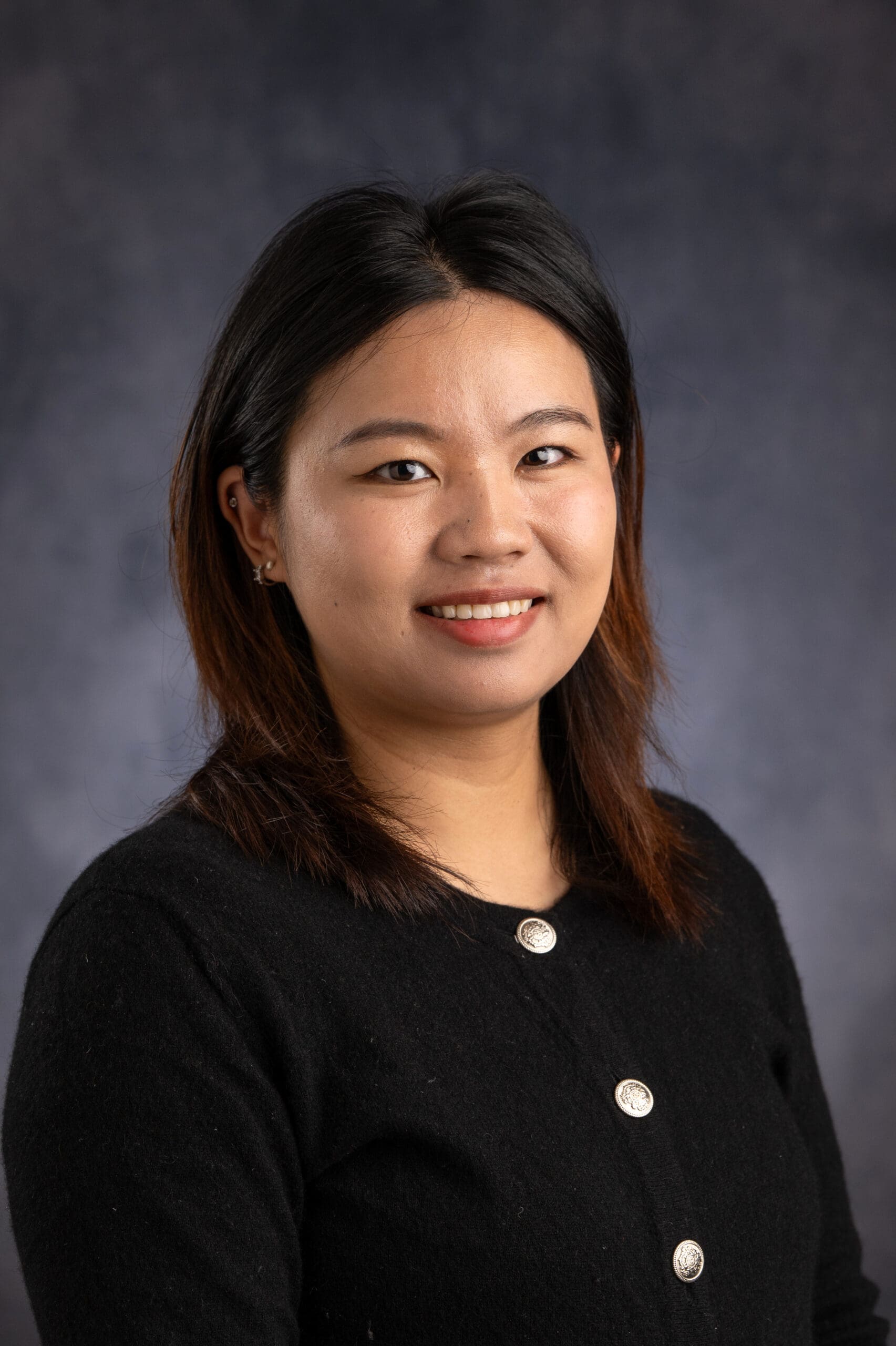
Shanshan Liu
Schmidt AI in Science Fellow, 2025 Cohort
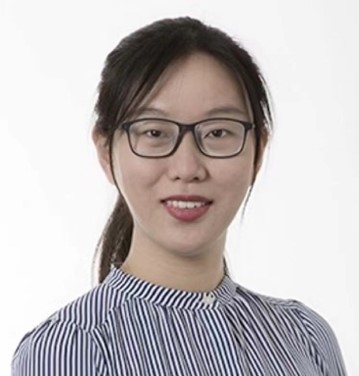
Xinyu (Cindy) Liu
Schmidt AI in Science Fellow, 2024 Cohort
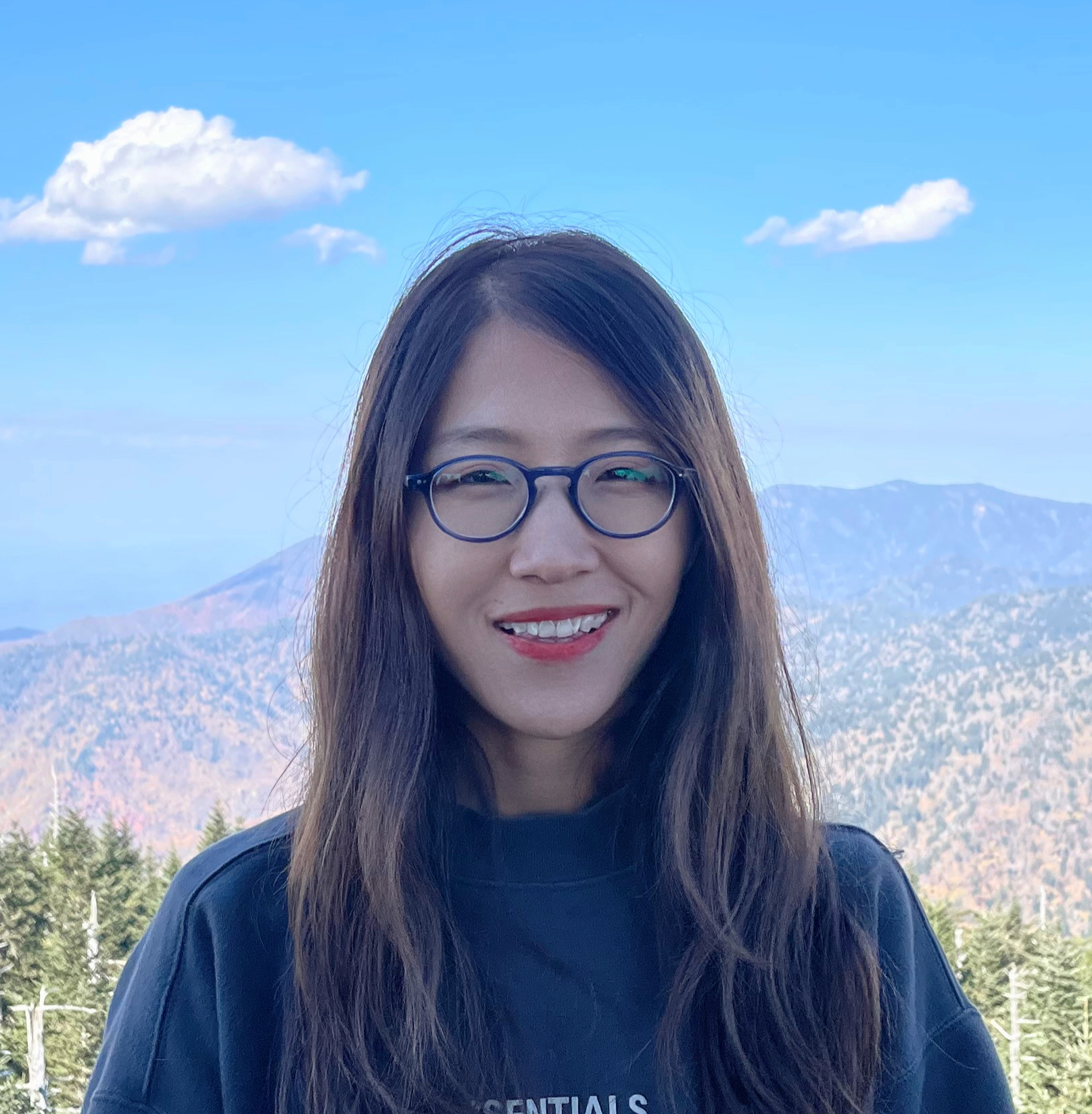
Xiaofeng Liu
Schmidt AI in Science Fellow, 2024 Cohort
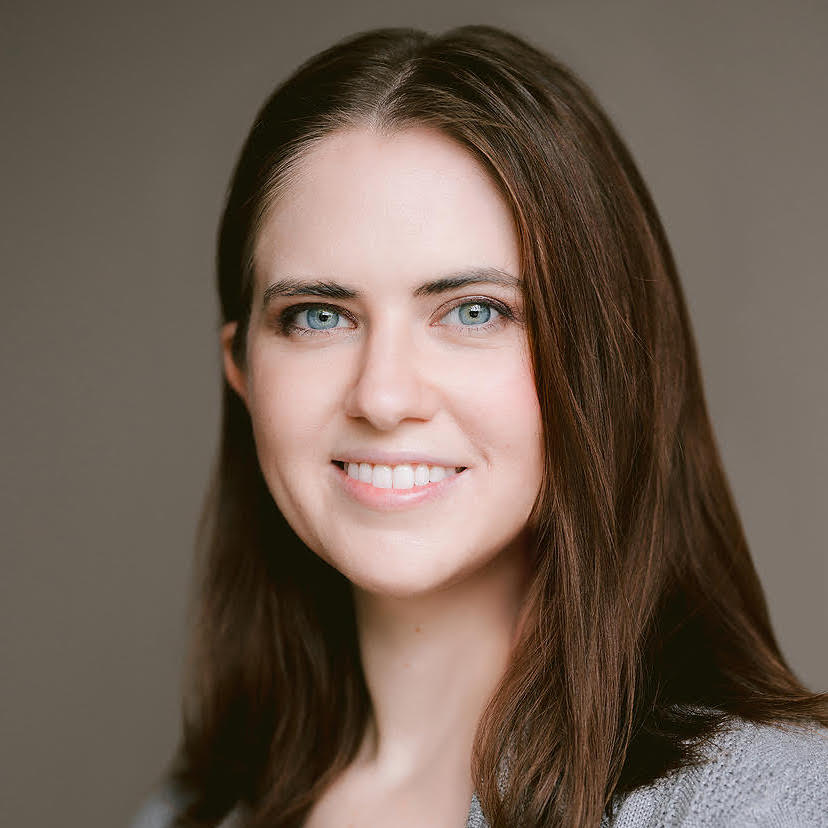
Elle O’Brien
Lecturer IV in Information and Research Investigator
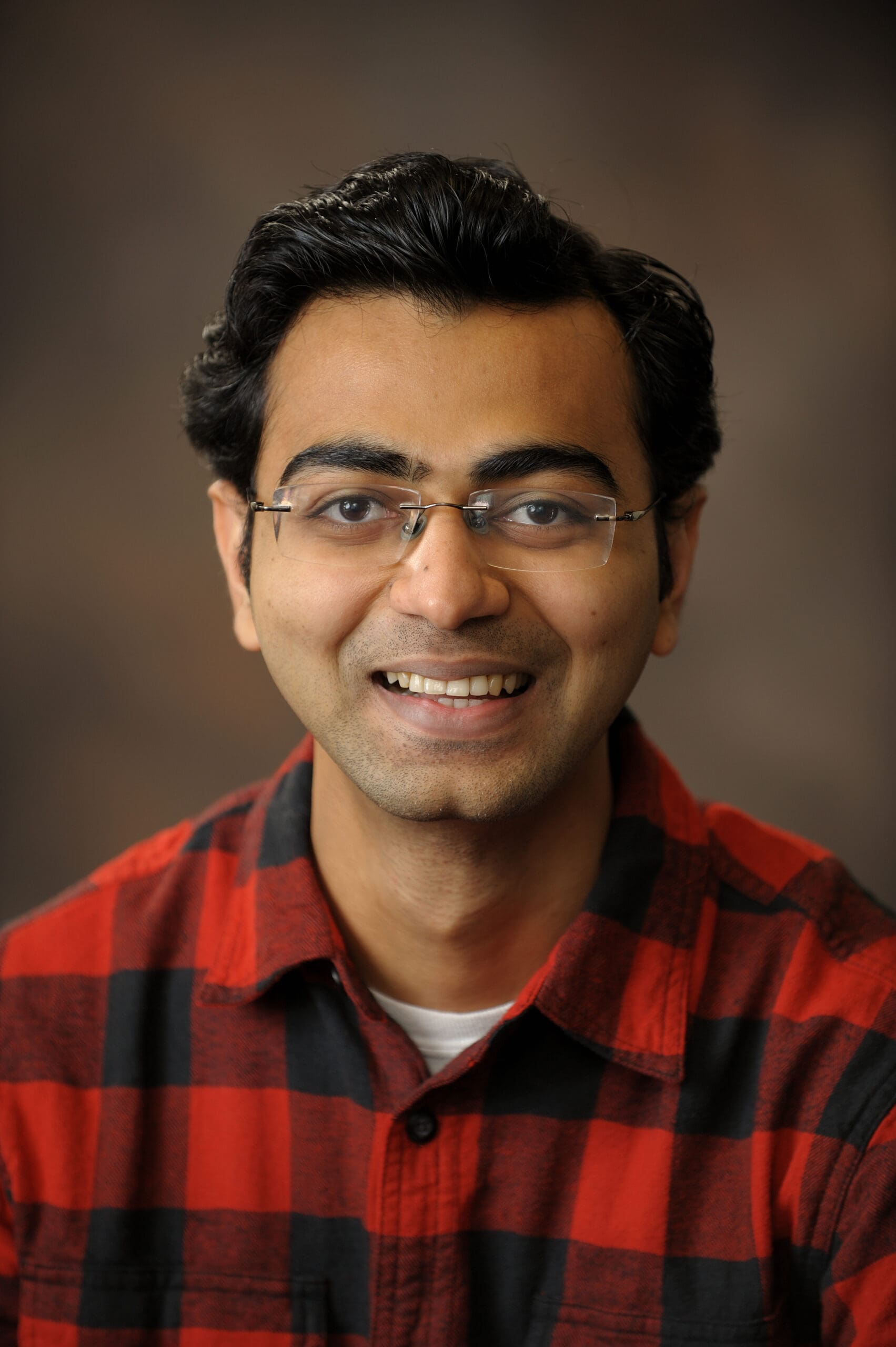
Ganesh Patil
Postdoctoral Affiliates Fellow, 2025 Cohort
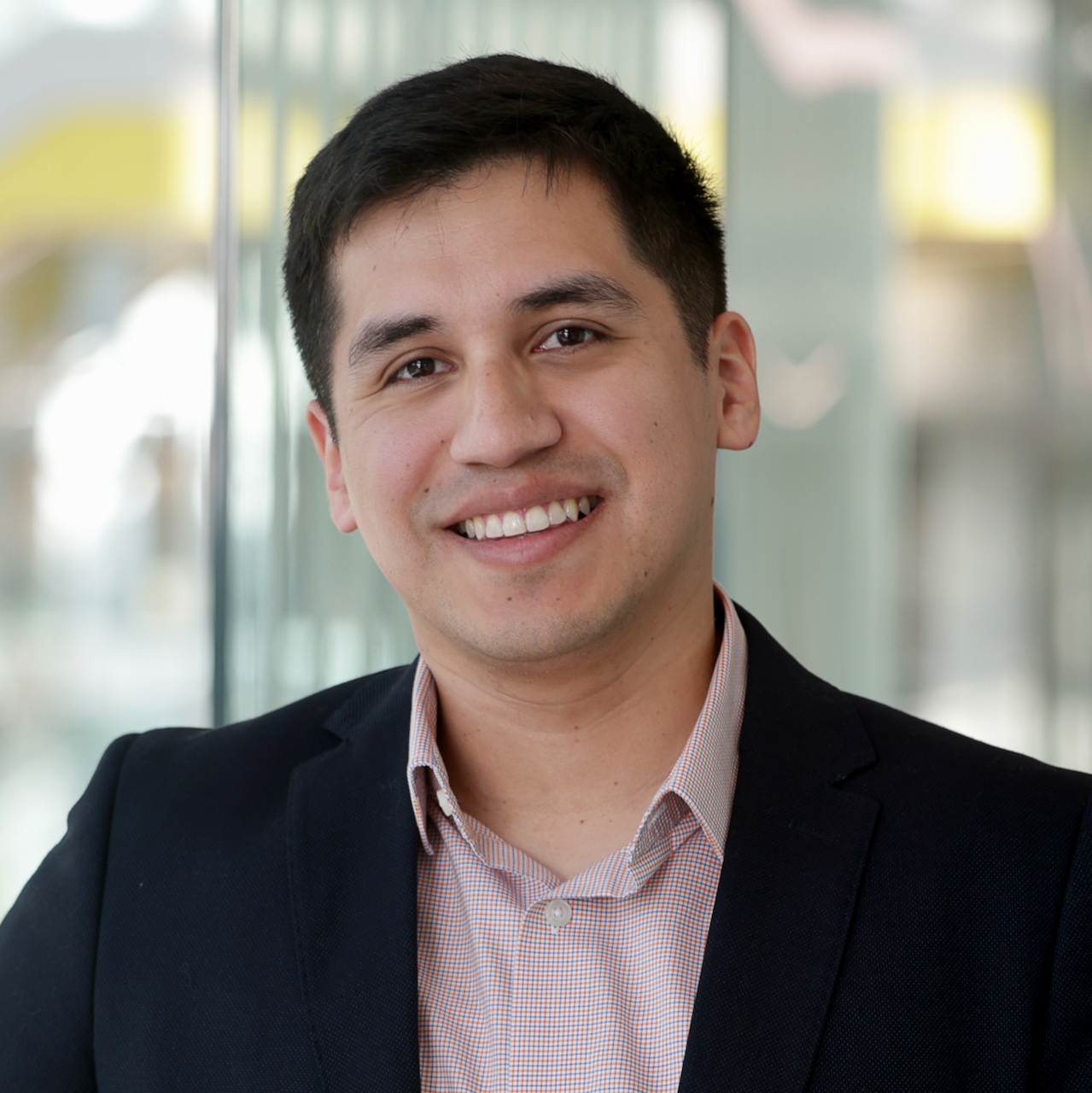
Alex Rodriguez
Assistant Professor of Electrical Engineering and Computer Science, College of Engineering
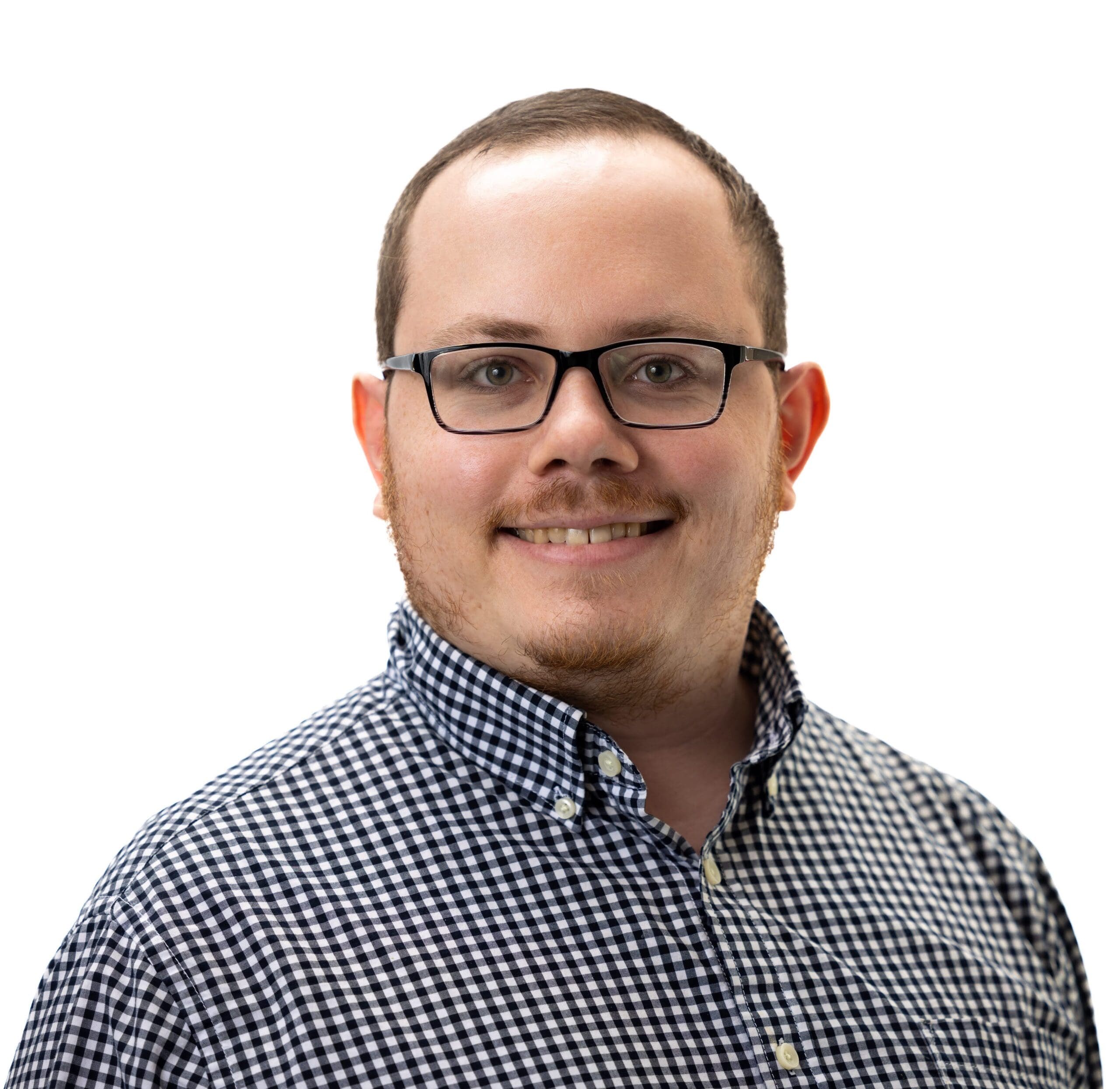
Calder Sheagren
Postdoctoral Affiliates Fellow, 2025 Cohort
Kerby Shedden
Professor and Associate Chair, Department of Statistics, College of Literature, Science, and the Arts
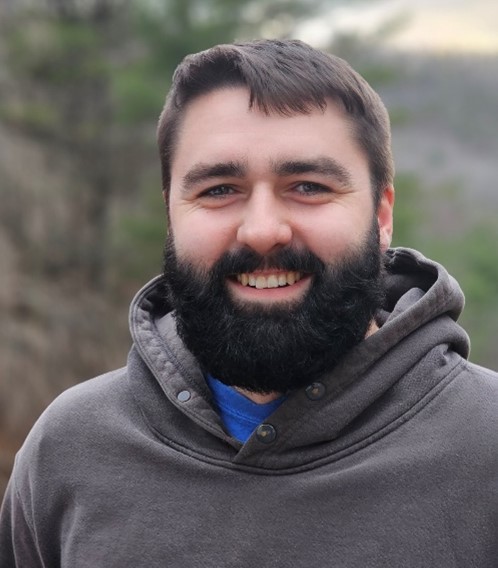
Kaiser Arndt
Schmidt AI in Science Fellow, 2025 Cohort
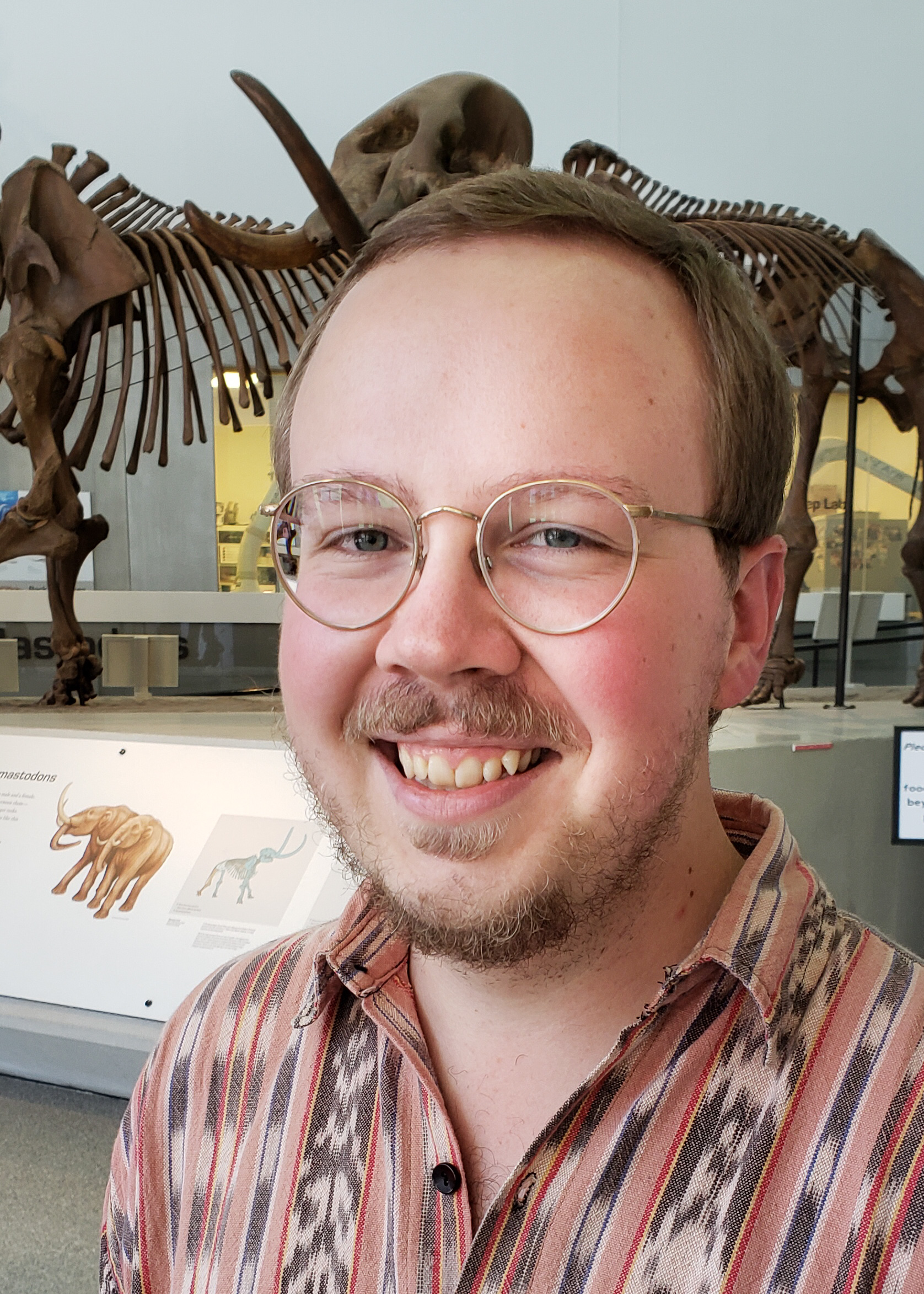
Will Weaver
Schmidt AI in Science Fellow, 2025 Cohort
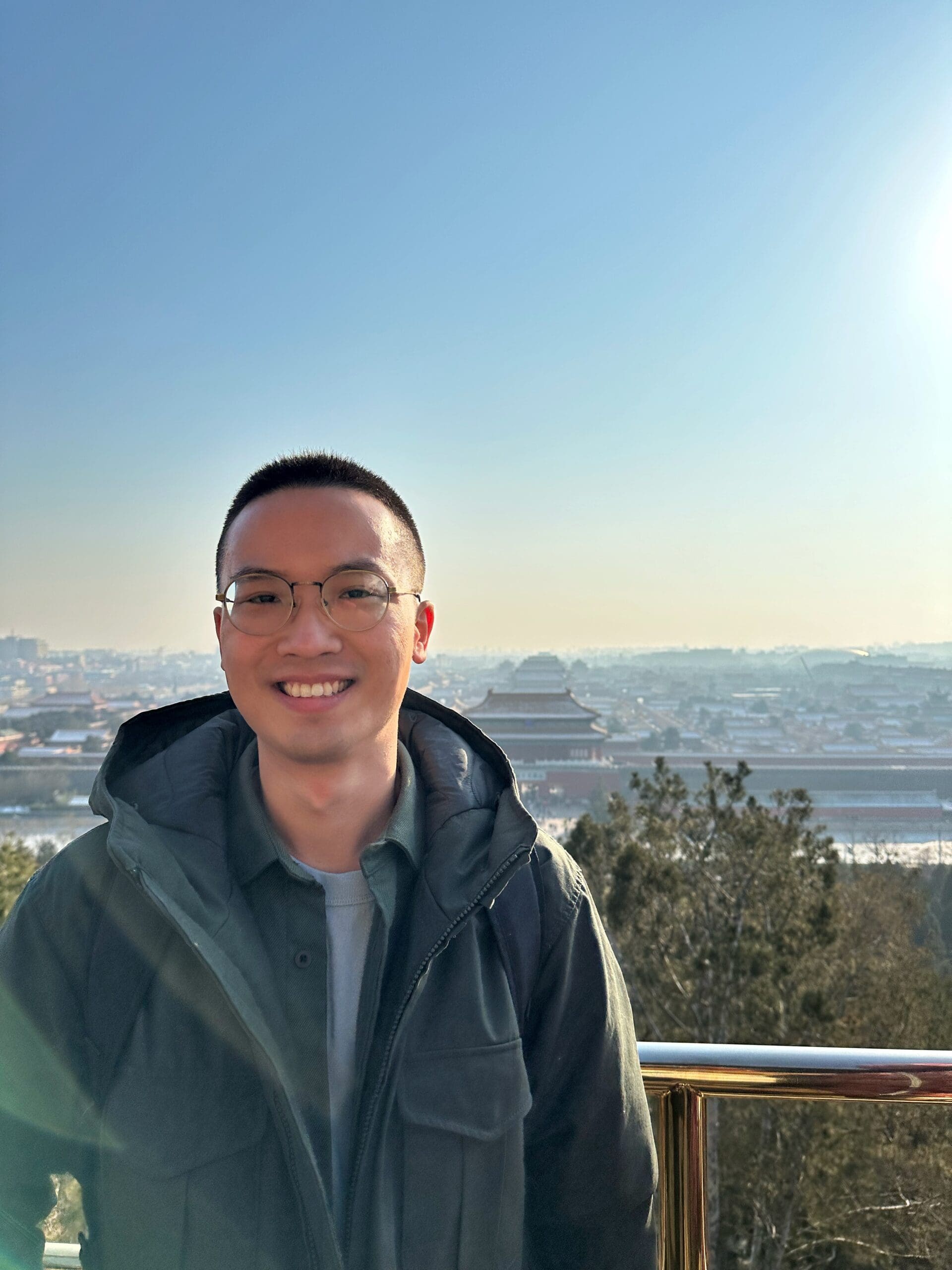
Hengxing Zou
Postdoctoral Affiliates Fellow, 2025 Cohort
Some instructors of this academy are the postdoctoral scholars in the Eric and Wendy Schmidt AI in Science postdoctoral program and the Michigan Data Science Fellows program.