About the Workshop
Workshop Theme: Introduction to Foundation Models for Addressing African Community Challenges
What Are Foundation Models?
Foundation models are large AI systems trained on massive, diverse datasets. Because they learn general patterns across text, images, audio, and more, they can be quickly adapted to many tasks without building new models from scratch. This makes them powerful tools for language technologies, geospatial analysis, science, and decision-support.
Most existing models are trained mainly on non-African data. As a result, they often struggle with African languages, contexts, and priorities. By adapting foundation models with African datasets, we can create AI tools that work better for local needs and support development across sectors like agriculture, health, climate, governance, and education.
ACT-Africa 2026 gives participants the skills to do this effectively.
Why Join ACT-Africa 2026?
Participants will:
- Understand how foundation models work
- Pre-training, fine-tuning, transfer learning, evaluation, and why these models are transforming AI globally.
- Explore real-world African applications
- Language technologies, geospatial analysis, environmental monitoring, social and economic data modelling, and multilingual tools for African languages.
- Work directly with African datasets
- Data collection and cleaning, model adaptation, fine-tuning, evaluation, and responsible deployment.
- Build practical technical skills
- Hands-on coding sessions, guided exercises, and small project development in areas such as prompt engineering, embeddings, and multimodal AI.
- Understand responsible and inclusive AI
- Bias mitigation, data sovereignty, fairness, and the social and ethical dimensions of using AI in African communities.
- Join a growing network
- Connect with researchers, developers, policymakers, civil-society actors, and domain experts shaping Africa’s AI future.
Interested in joining? If you are a researcher, data scientist, developer, graduate student, and other stakeholders passionate about using AI to drive the development agenda in Africa, we invite you to fill out the application form here until March 15, 2026.
Workshop Format
Four-day workshop in Addis Ababa, Ethiopia, 6th to 9th September 2026
Hybrid delivery:
- In-person participants*
- Partial virtual participants for some of the content via Zoom
*For in-person participants who have no prior AI/ML experience, it is highly recommended to go through the MIDAS AI Foundations online canvas Course virtual teaching material (link forthcoming for invited guests on University of Michigan Canvas). This ensures everyone begins with a shared baseline in AI and machine learning.
Keynote and Guest Speakers
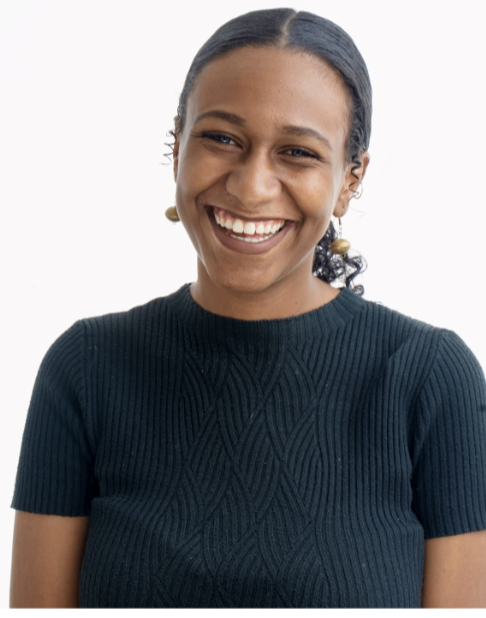
Selamawit Engida (Selam) Abdella
Researcher at the Global Center on AI Governance (GCG)
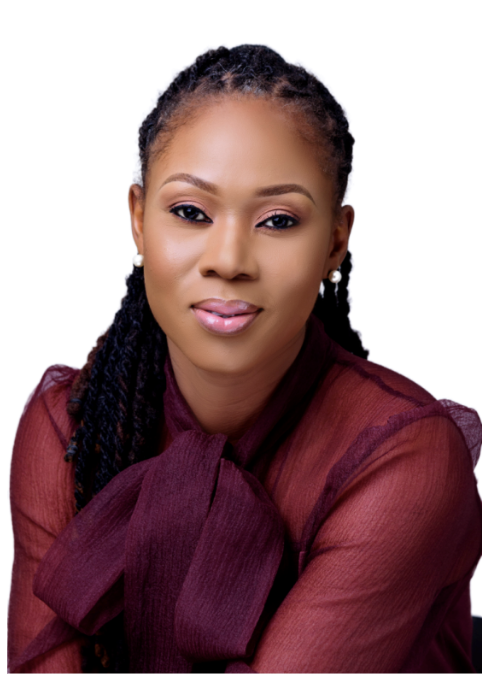
Dr. Chijioke Okorie
Associate Professor,
Department of Private Law, University of Pretoria, Pretoria, South Africa
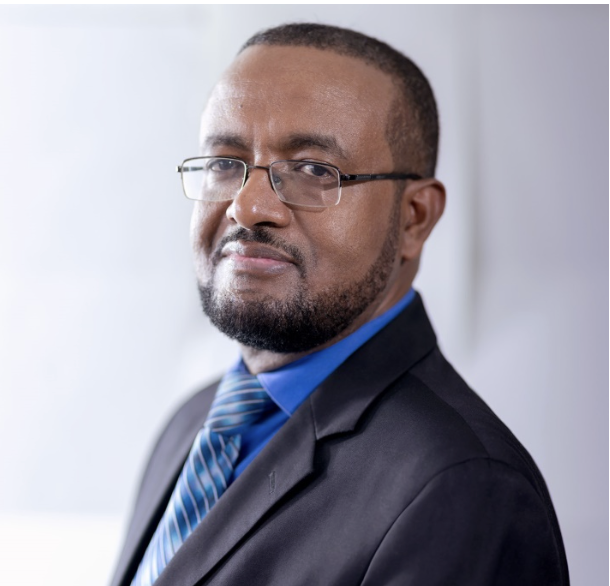
Dr. Teshager Worku Dagne
Associate Professor and Ontario Research Chair in Governing AI
York University, Toronto, Canada
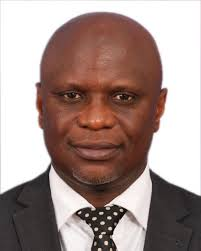
Dr. Robert Lisinge
Director of the Technology, Innovation, Connectivity and Infrastructure Development Division, Economic Commission for Africa (ECA)
Dr. Zerihun Getaneh
Executive Dean, College of technology and Built Envirnoment, Addis Ababa University
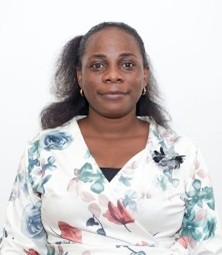
Dr. Vivian Akoto-Adjepong
Faculty Fellow Schmidt AI in Science, University of Oxford

Dr. Ashley S. Dale
Eric and Wendy Schmidt AI in Science Postdoctoral Fellow, Department of Materials Science & Engineering, University of Toronto
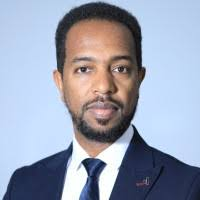
Dr. Fitsum Assamnew Andargie
Director, Resonance AI4D lab, Assistant Professor, School of Electrical and Computer Engineering, College of Technology and Built Environment, Addis Ababa University
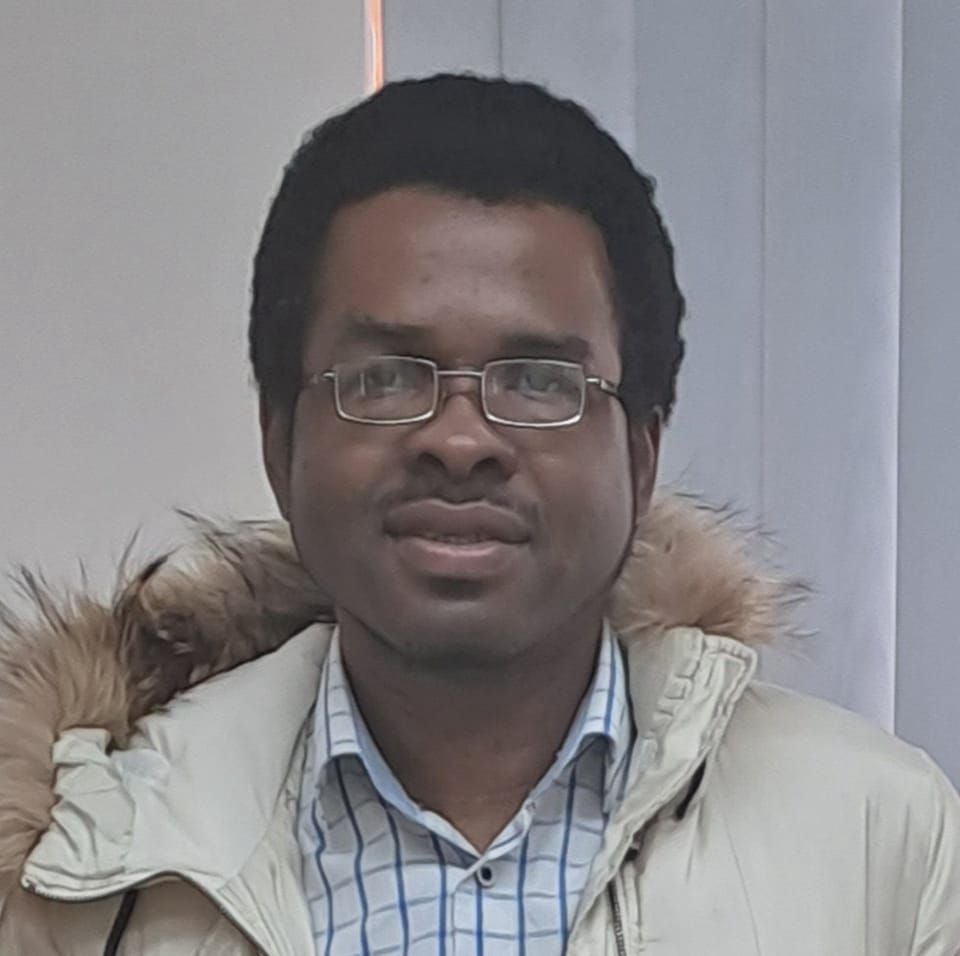
Dr. Daniel Izuikedinachi Okoh
Research Scientist and Head of Laboratories, United Nations African Regional Centre for Space Science and Technology Education – English, National Space Research and Development Agency
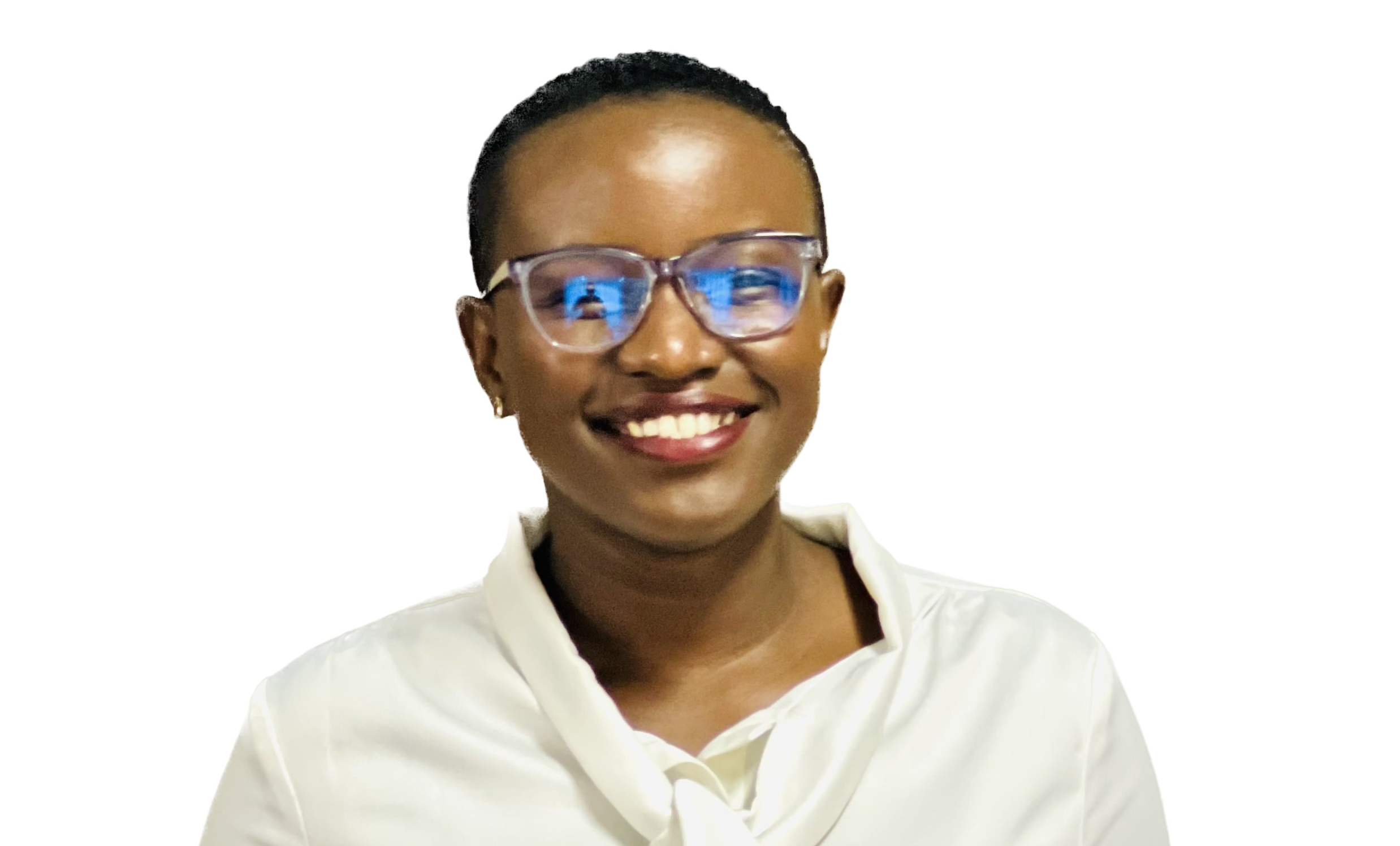
Dr. Theofrida J. Maginga
Lecturer at Sokoine University of Agriculture and a Schmidt AI in Science Postdoctoral Faculty Fellowship, University of Oxford
Dr. Naol Dessalegn Dejene
Mechanical Engineeer and Researcher, Pusan National University
Additional Information
Logistics
- The workshop sessions, full board accommodation, and meals will be taken at the hotel
- Arrival/Check-in on September 6. Departure/Checkout: September 9 or 10
- *Workshops end on September 9
- Hotel accommodations will be booked by the organizers for selected participants
- Flights to and from Addis: Participants will pay for their tickets and then receive reimbursement from the University of Michigan
- Ground transportation from the airport to the venue and back: Guests will arrange their own transport, reimbursement capped at $50. Keep receipts.
- Options of ground transportation within Addis Ababa: There are different on-demand travel options like ‘Uber’ in other countries, e.g RIDE, YANGO etc. *Transportation will be reimbursed. Keep receipts*
Proceed to celebrate the Ethiopian New Year: September 11 will be the Ethiopian New Year. Guests can extend their hotel stay at their own cost. The New Year festivities will, however, be experienced throughout the week.
Schedule
6:00 PM – 8:00 PM
Arrival of the guests at the hotel followed by a reception dinner
8:30 AM – 9:00 AM
Registration
9:00 AM – 9:30 AM
Opening Remarks
Presented by (MIDAS representative, Vice Chancellor, Addis Ababa University, Representative from Schmidt Sciences)
9:30 AM – 10:30 AM
Keynote Address
Presented by Dr. Robert Lisinge
10:30 AM – 10:45 AM
Group photo and break time
10:45 AM – 11:45 AM
Lecture 1: Responsible AI practice and landscape in Africa Presented by Selam Abdela (The African Observatory on Responsible AI, the Global Center on AI Governance)
11:45 AM – 12:00 PM
Question and answer session
12:00 PM – 1:30 PM
Lunch
1:30 PM – 2:30 PM
Lecture 2: Introduction to Foundation Models
Presented by Dr. Ashley Dale
2:30 PM – 2:45 PM
Afternoon break
2:45 PM – 4:15 PM
Lecture 3: Live Demo of Foundation Models and Hugging Face Presented by Dr. Fitsum Assamnew Andargie.
4:15 PM – 4:30 PM
Question and answer session
4:30 PM – 5:00 PM
Ethiopian coffee
5:00 PM
A visit to a site in Addis Ababa and dinner
8:30 AM – 9:00 AM
Registration
9:00 AM – 9:45 AM
Lecture 4: Application of Foundation Models to Agriculture
Presented by Dr. Theofrida J. Maginga
9:45 AM – 10:30 AM
Lecture 5: Application of Foundation Models to Manufacturing and Infrastructure
Presented by Dr. Naol Desalegn
10:30 AM – 10:45 AM
Morning break
10:45 AM – 11:30 AM
Lecture 6: Application of foundation models to Health
Presented by Dr. Vivian Akoto-Adjepong
11:30 AM – 12:00 PM
Question and answer session
12:00 PM – 1:30 PM
Lunch
1:30 PM – 2:30 PM
Lecture 7: Application of foundation models to Climate and Environment
Presented by Dr. Daniel Okoh
2:15 PM – 2:30 PM
Afternoon break
2:30 PM – 5:30 PM
Break out sessions into thematic areas (grouping) and a hackathon by each thematic group
8:30 AM – 9:00 AM
Breakfast and registration
9:00 AM – 10:00 AM
Keynote 2: Speaker from AI Institute in Ethiopia (Case Study Presentation)
10:00 AM – 10:15 AM
Morning break
11:00 AM – 11:45 AM
Hackathon Presentations
11:45 AM – 12:00 PM
Giving Awards
12:00 PM – 1:30 PM
Lunch
1:30 PM
A tour of Addis Ababa city and Ethiopian AI Institute.
5:00 PM
Closing dinner
Local Organizers
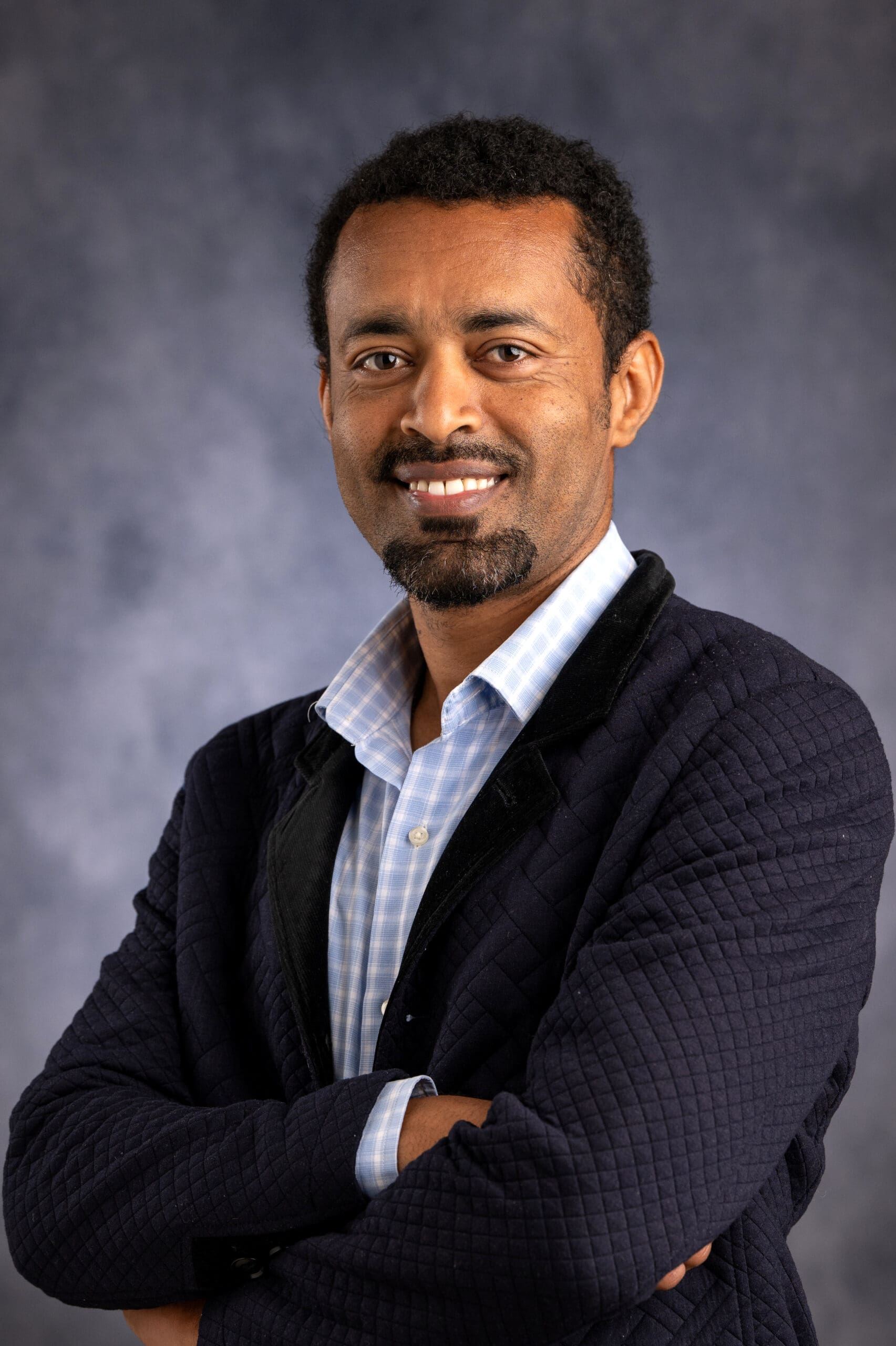
Dr. Yonas Minalu Emagnu
Schmidt AI in Science African Faculty Fellow, MIDAS
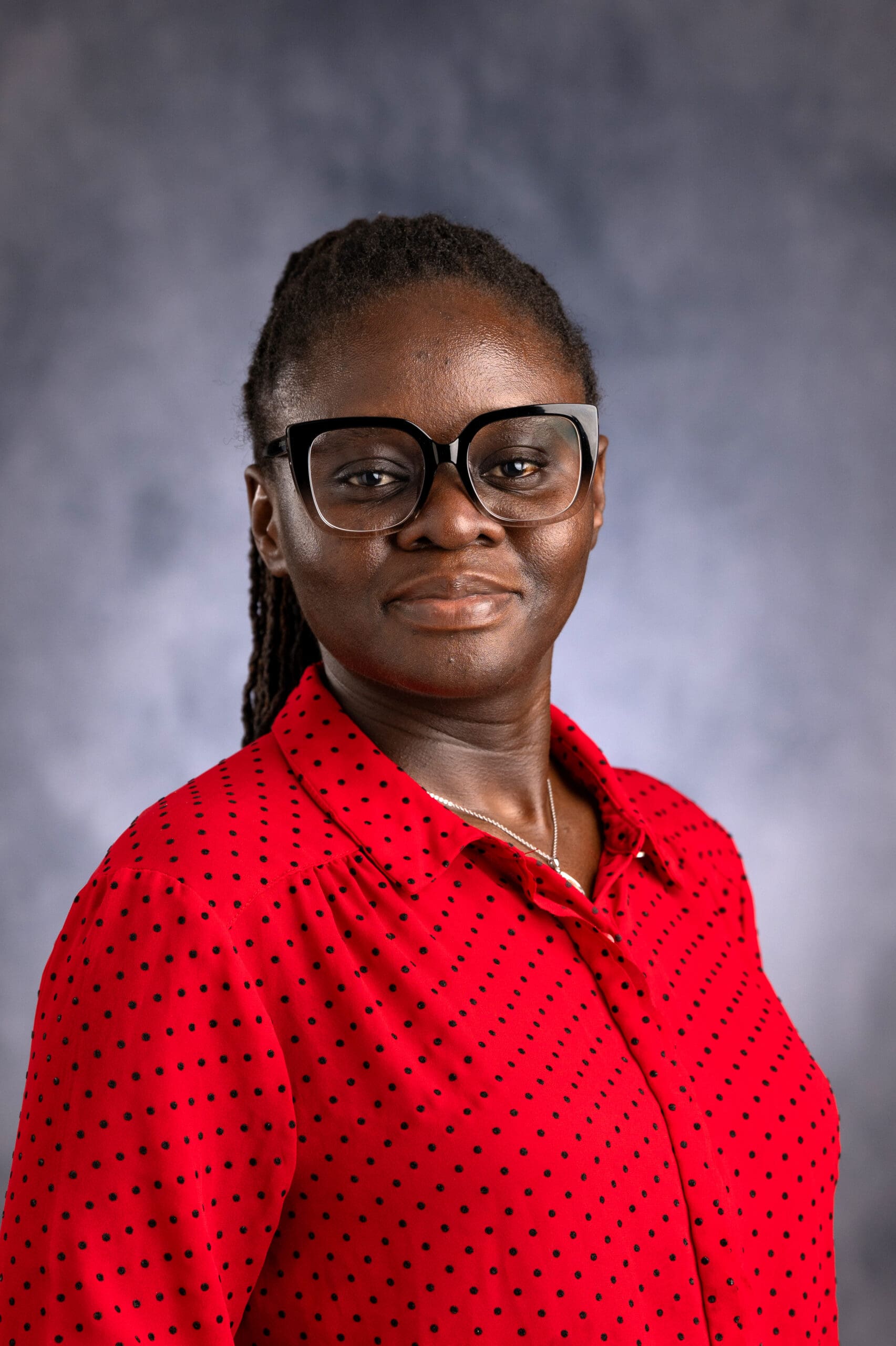
Dr. Joan Onyango
Schmidt AI in Science African Faculty Fellow, MIDAS
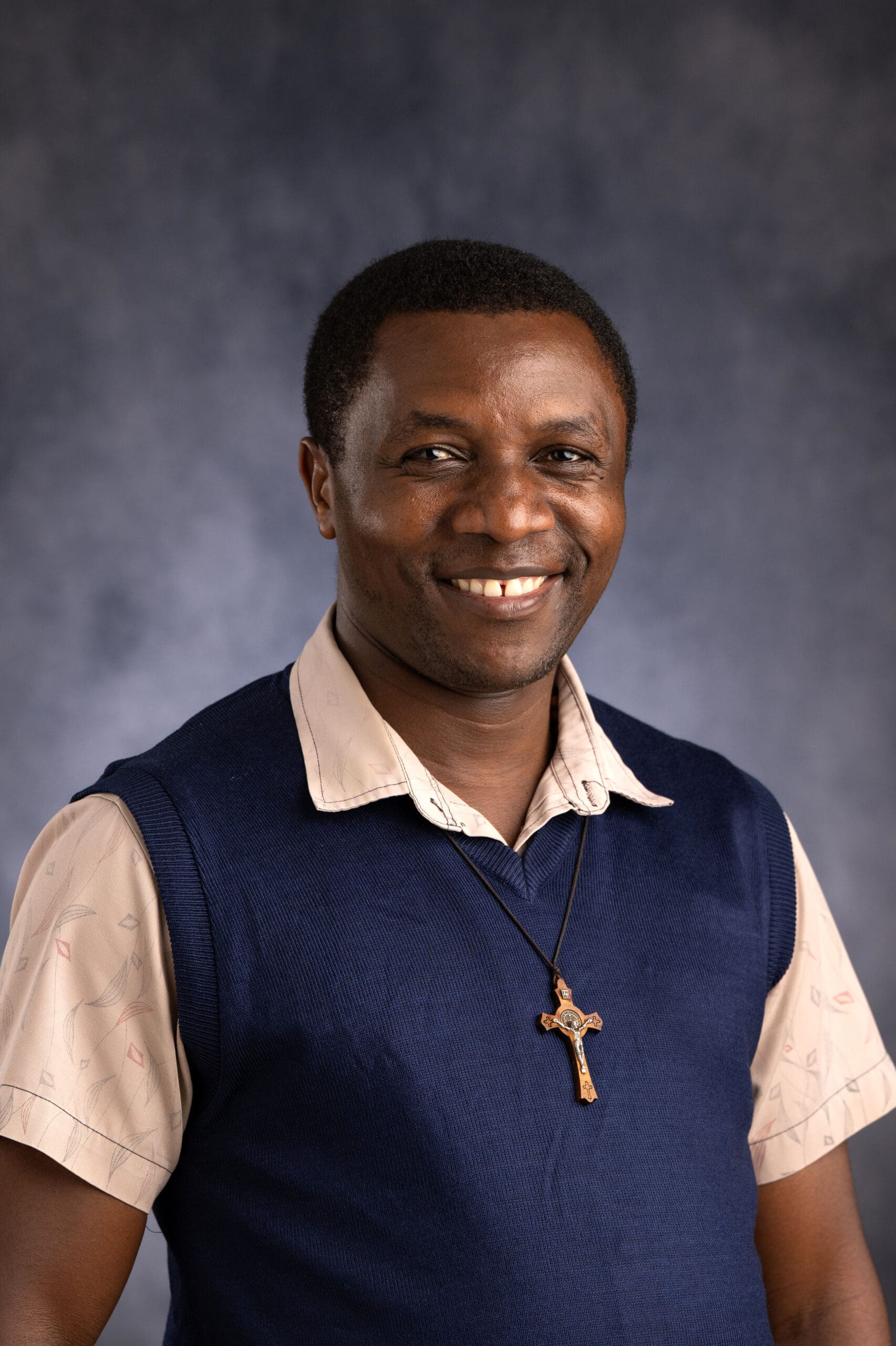
Dr. Valence Habyarimana
Schmidt AI in Science African Faculty Fellow, MIDAS
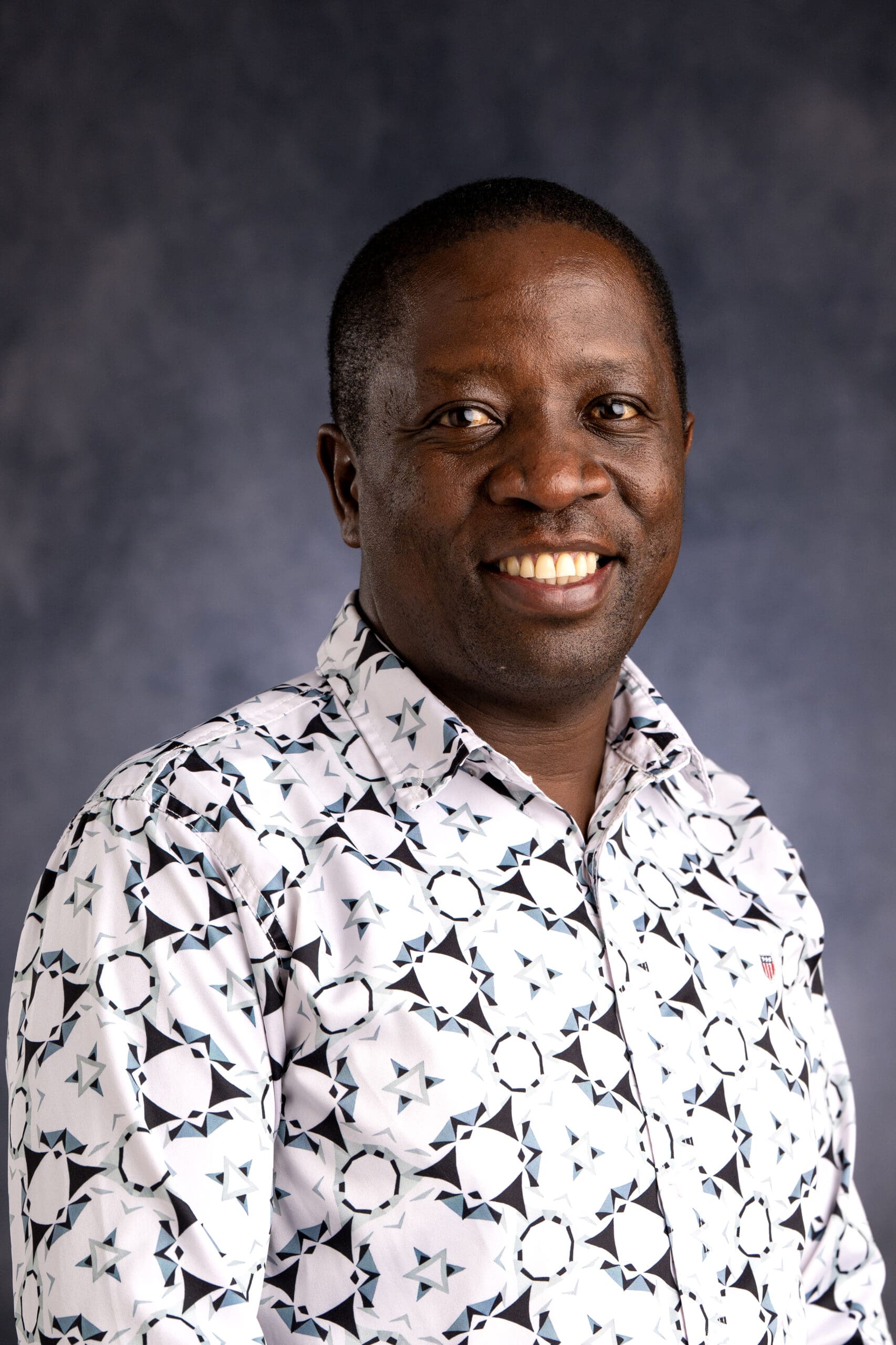
Dr. Anthony Pembere
Schmidt AI in Science African Faculty Fellow, MIDAS
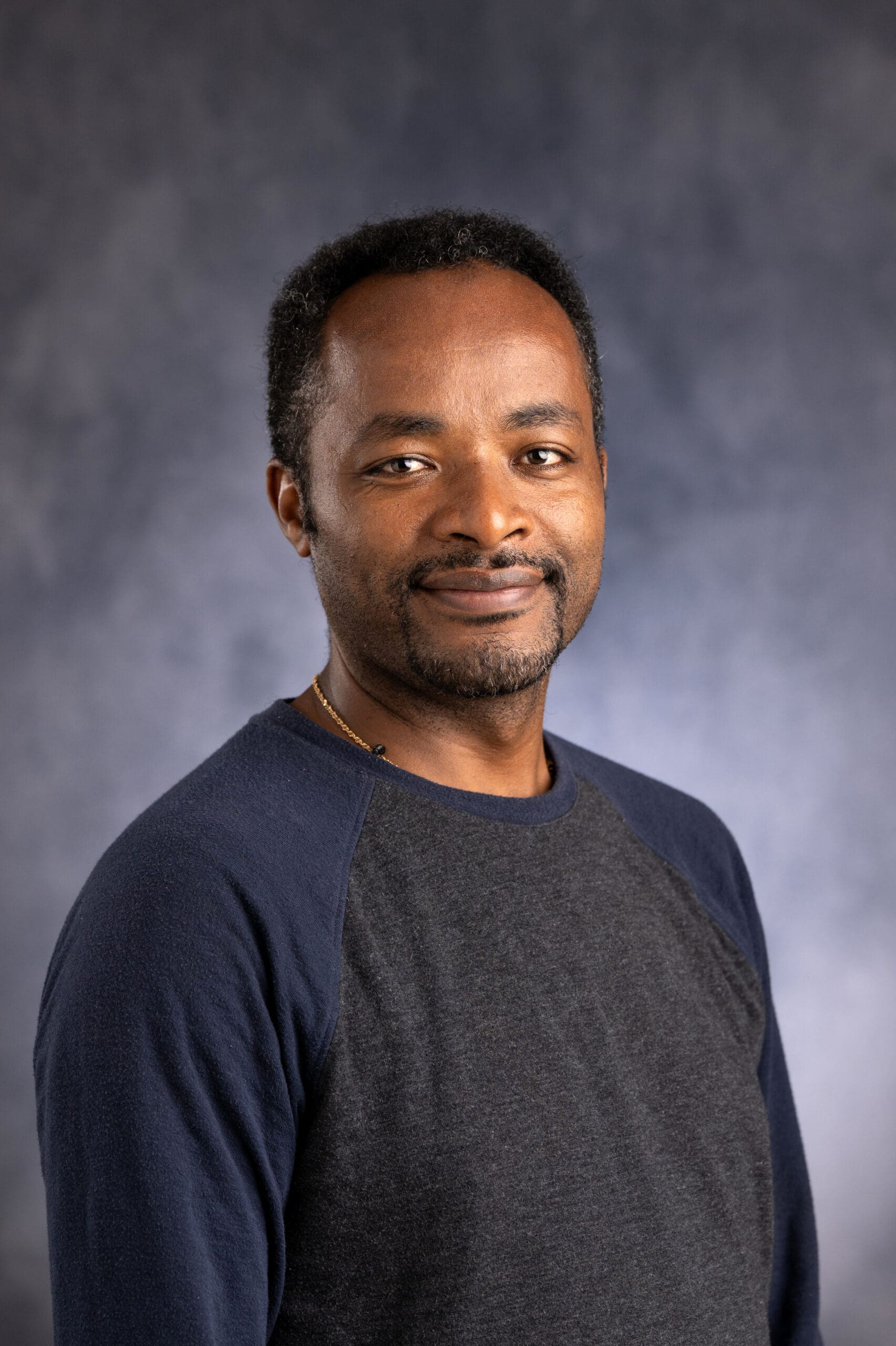
Dr. Desalegn Wogaso
Schmidt AI in Science African Faculty Fellow, MIDAS
Contact
For all conference-related questions and communications, please contact us at: [email protected]
This workshop is sponsored by Schmidt Sciences

Co-sponsored by Addis Ababa University