DATA Fall 2026 IAB Meeting Call for Posters!
The Center for Data-Driven Drug Development and Treatment Assessment (DATA), a national NSF-sponsored Industry-University Cooperative Research Center (IUCRC), is inviting University of Michigan students, postdocs, and other researchers in training to showcase their research projects in a round of lightning talks at the Center’s Industry Advisory Board (IAB) meeting on September 23, 2026.
We invite projects that apply computational methods, data science solutions, artificial intelligence (AI) and/or machine learning techniques to solve challenges in health care, pharmacy, chemistry, and biomedical engineering, in particular in the areas of drug design, drug repositioning, and treatment assessment.
The fully virtual meeting will host companies from the pharmaceutical, healthcare, IT, and AI startup industries as well as representatives of the state of Michigan, offering the presenters networking opportunities with potential employers.
We expect the lightning talks to be held on Wednesday, September 23, 10:15-11:15 am ET. Seven young researchers will be selected to present for 5 minutes, with 10 minutes of combined Q&As at the end of the session.
University of Michigan students of all levels (undergraduate, master’s, doctorate) and postdocs and other researchers in training (e.g., house officers) are eligible to participate. Please use this form to apply by September 14, 2026, 12 noon ET. If you are selected to present, you will be notified by September 16.
Please be aware that participation in the lightning talks session may qualify as a public disclosure of the presented work under intellectual property laws. If your poster contains any work that has not yet been publicly disclosed, please consult with Innovation Partnerships ([email protected]) before the meeting to ensure that any applicable intellectual property rights are appropriately protected.
Questions? Contact us at [email protected].
Pharmaceutical development has a large impact on the nation’s economy and public health. Despite substantial annual outlays for pharmaceutical development, many drugs fail in clinical trial, while the majority of those making it to market fail to yield a profit. These costs and low returns hinder additional development. The Center for Data-Driven Drug Development and Treatment Assessment (DATA), through the pursuit of its research thrusts, has the potential to greatly enhance the national research infrastructure by increasing the capacity of the engineering/scientific workforce. In particular, DATA will produce new methodologies and infrastructure for industry-wide collaborative drug discovery, yielding new medicines at reduced cost.
The Center will focus on three main areas of unmet/underserved research needs within the (bio)pharmaceutical sector, with the goal of significantly accelerating the pace of drug discovery while reducing research costs:
- The development, testing, and validation of machine learning methods for drug discovery and repurposing.
- Providing an industry-wide and vendor-agnostic Secure Data Hub for pharmaceutical and patient data with third-party private search capabilities.
- Enable federated machine learning for drug repositioning over encrypted databases. Enabling these research thrusts are new developments in efficient fully homomorphic encryption and applications of coupled tensor-matrix and tensor-tensor completion methods to drug discovery and repurposing.
Awarded Projects
Enhanced Generative Artificial Intelligence for Design and Optimization of New Therapeutic Antibodies
PI: Peter Tessier, co-PI: Kayvan Najarian
STAR-guided machine learning prediction of clinical safety before clinical trials even begin
PI: Angela Violi
Pathway‑Informed Cellular and Patient Phenotypes
PI: Erin Craig, co-PI: Maor Sauler
UNIversal AI-Designed BBB SHUTTLE Platform (UNI-SHUTTLE): In-silico Designed Cross-Species-Active BBB Shuttle Targeting Cd98hc
PI: James Moon, co-PI: Matthew O’Meara
Scaffold Hopping Using GenAI and Limited Data Sets
PI: Peter Toogood, co-I: Emily Wittrup
STAR-guided machine learning prediction of clinical safety before clinical trials even begin
PI: Duxin Sun, co-PI: Kayvan Najarian
Predicting Metabolic-Mediated Drug Toxicity
PI: Dan Beard
Making causal inferences on the effects of drugs with CASM on EHR- based RCT data
Machine learning advances for multi-omics integration to improve microbiome-based precision medicine for colorectal cancer diagnosis and treatment
PI: Marcy Balunas
Combatting rapidly mutating viral targets using Thompson sampling
PI: Tim Cernak
Docking to Novel pocKets (DoNK): A Dense Synthetic Receptor-Ligand Binding Dataset
PI: Matt O’Meara
CASM-informed Reinforcement Learning (CASM-RL) to identify optimal treatment strategies for sepsis
Model-informed drug development for cancer using agent-based multivariate modeling
PI: Denise Kirschner, co-I: Maral Budak Marple
Generative Artificial Intelligence for Design and Optimization of New Therapeutic Antibodies
co-PIs: Pete Tessier & Kayvan Najarian
Utilizing Fully Homomorphic Encryption for Privacy Preserving Machine Learning in Drug Development
PI: Kayvan Najarian
Machine-Learning Based Optimization to Identify New Treatments for Tuberculosis Response
PI: Denise Kirschner, co-I: Maral Budak Marple
Developing Computational Phenotypes of Patient Reported Outcomes in Inflammatory Bowel Disease for Improved Assessment of Symptomatic Therapeutic Effects and Prediction of Medication Response
PI: Ryan Stidham, co-I: Cristian Minoccheri
Artificial Intelligence for Interpreting Signals Data from Bedside Portable Gas Chromatography in Ulcerative Colitis
co-PIs: Ryan Stidham & Sherman Fan
Project Statement
This project brings together data scientists, mathematicians, biomedical researchers, and healthcare providers to produce reproducible methodologies that will make a broad impact on drug discovery and biomedical applications of data science. The Center will support programs to educate the next generation of data science workforce members, research leaders, and citizens. By forming collaborations with industry, government, and community partners, the project will enable the dissemination and translation of research into impactful products and services for the betterment of society.
Website supported by the U.S. National Science Foundation (NSF) under the award number 2209546. Opinions, findings, conclusions, or recommendations expressed are those of the author(s) and do not necessarily reflect the views of the NSF.
Links
Articles
DATA Team
Lead Investigators
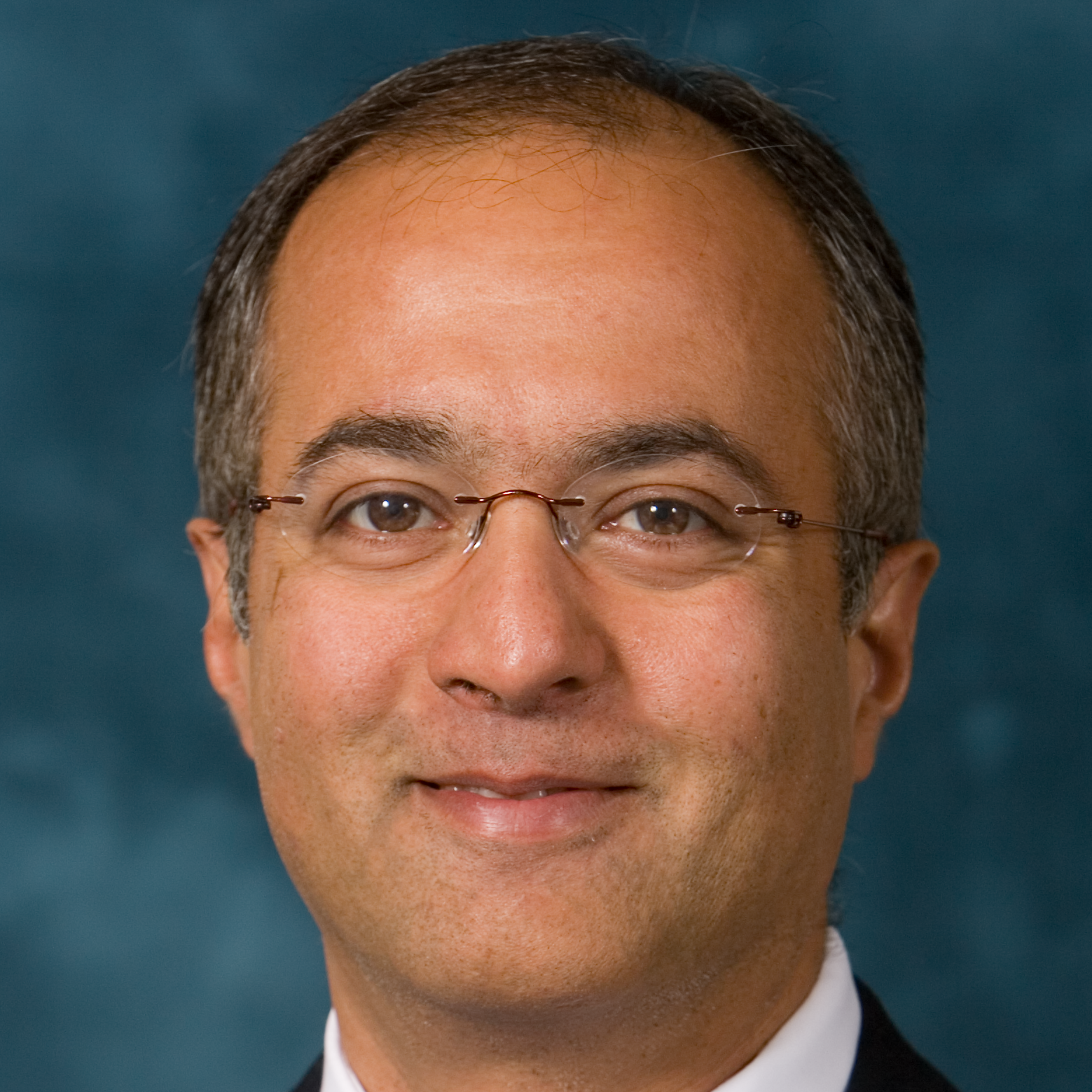
H. V. Jagadish
Edgar F Codd Distinguished University Professor of Electrical Engineering and Computer Science
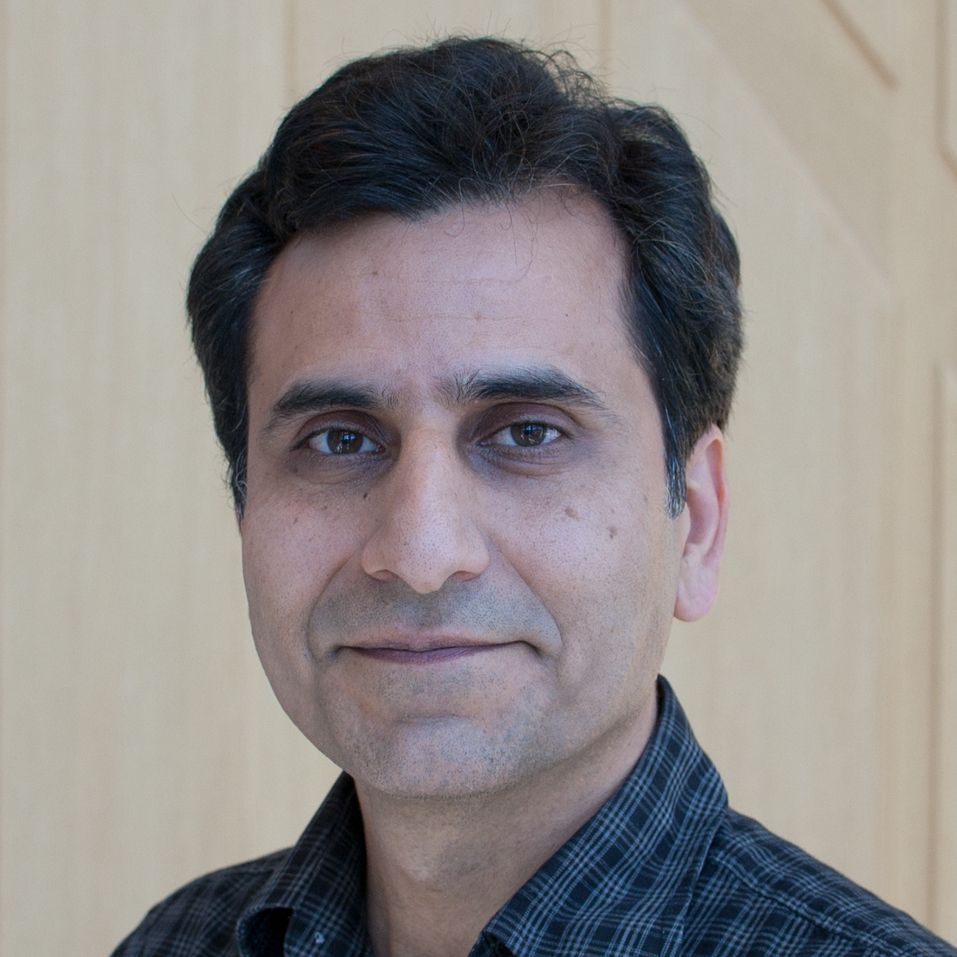
Kayvan Najarian
Professor of Computational Medicine and Bioinformatics
Center Staff
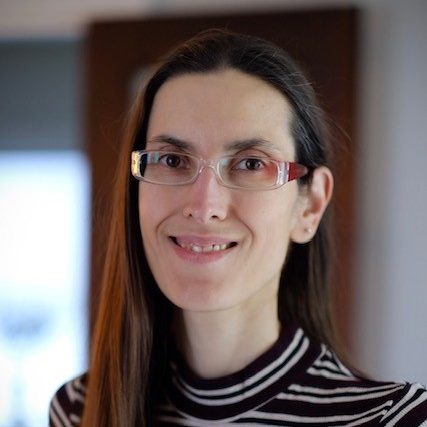
Ivana Tullett
Compliance Coordinator
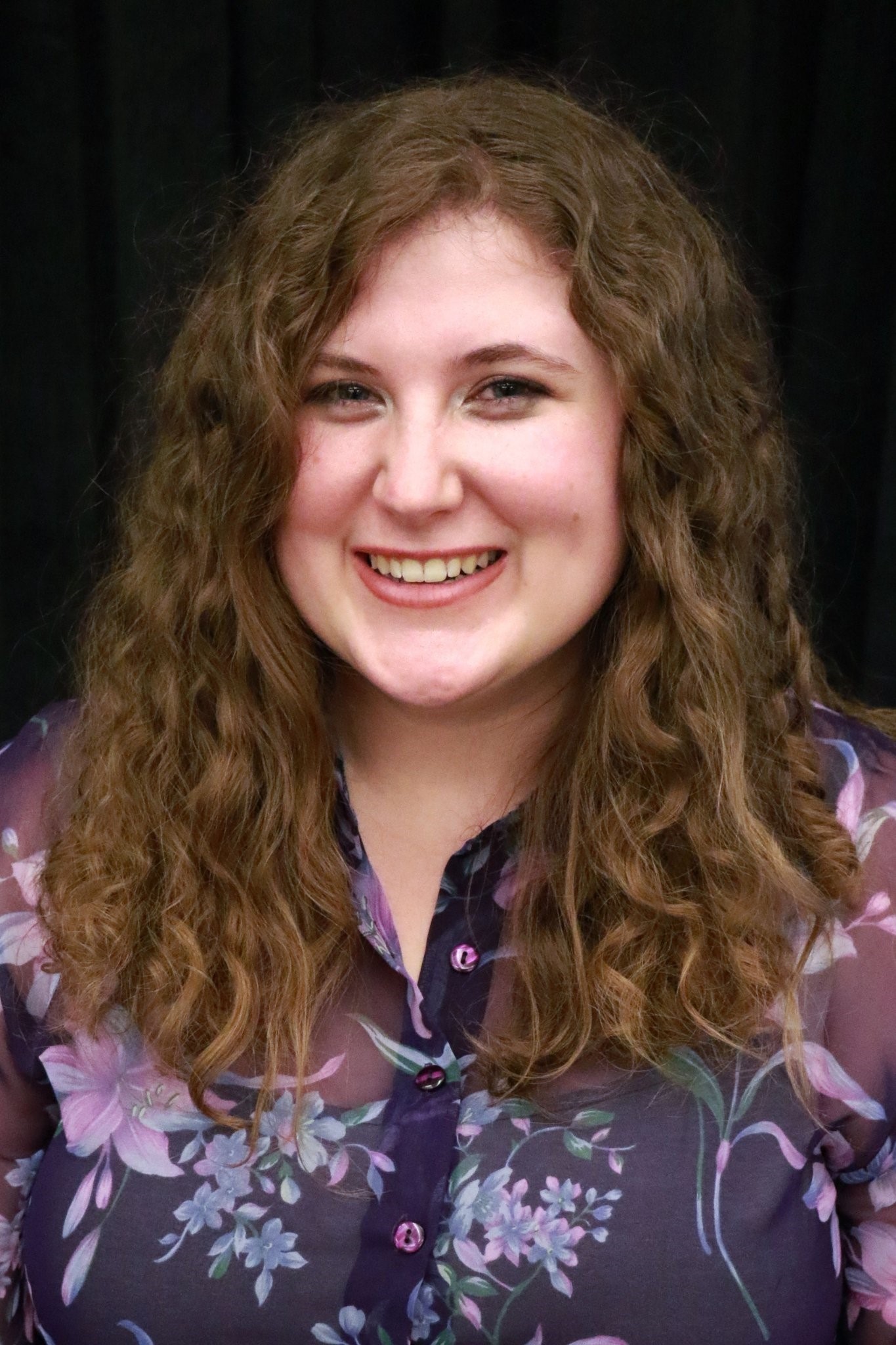
Chloe Winnie
Director of Operations