Faculty Research Pitch
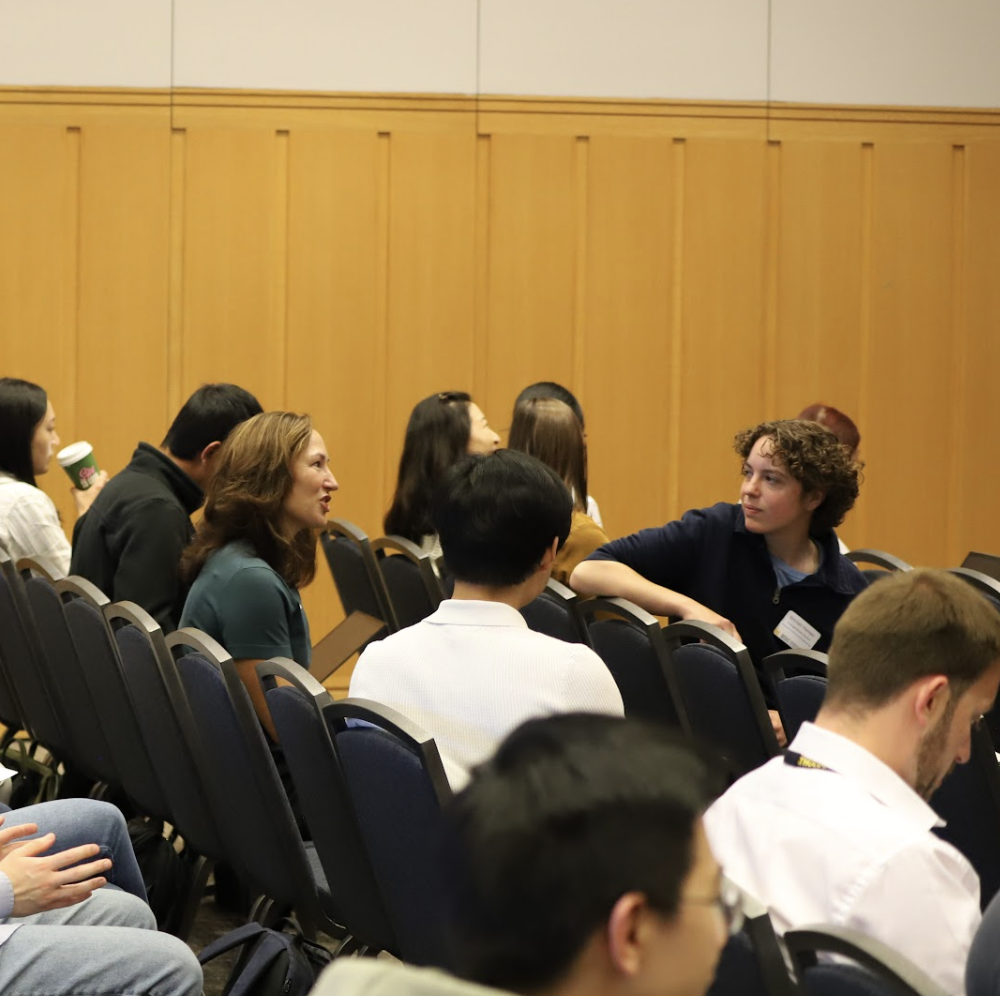
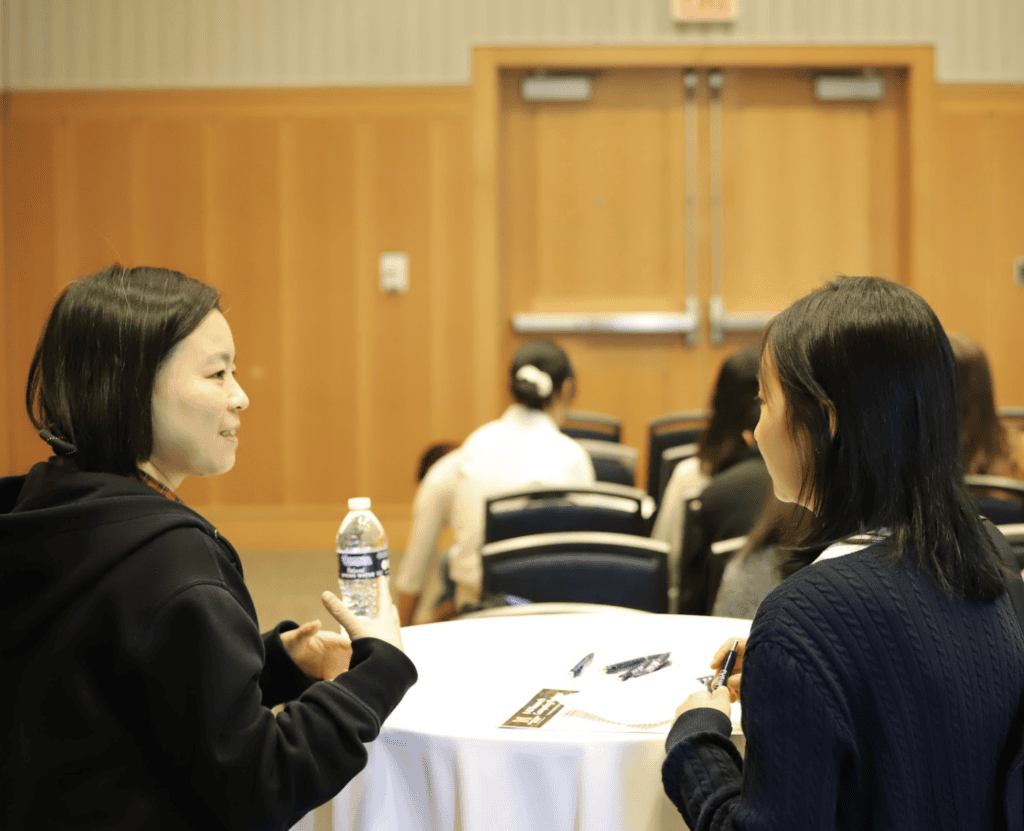
The MIDAS Faculty Research Pitch connects University of Michigan researchers across disciplines to spark new collaborations in data science and AI. Through short, three-minute presentations, faculty share their research, highlight emerging projects and connect with potential collaborators and students to advance innovative research and explore new opportunities.
Video Recording PlaylistAI Foundations & Theory
Dr. Saptarshi Chakraborty
Statistics
Video RecordingInvestigating the theoretical foundations of deep learning and generative models (diffusion, GANs, flow matching) to demonstrate how the “manifold hypothesis” enables algorithms to overcome the curse of dimensionality.
Research Summary
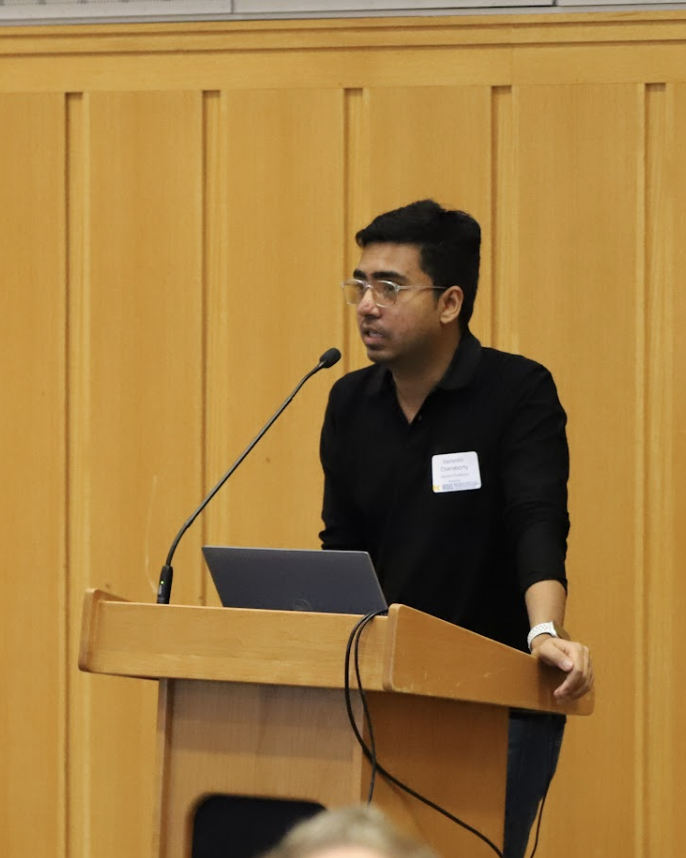
Dr. Saptarshi Chakraborty, of the Department of Statistics, studies the mathematical foundations of modern AI, especially generative models such as diffusion models and flow matching. A central question in his work is why these models succeed on very high-dimensional data like images. His answer draws on the “manifold hypothesis”: real-world data that seems to have many dimensions actually sits on a much simpler, lower-dimensional structure, and diffusion models are especially good at exploring it. This helps explain how they overcome the “curse of dimensionality.”
His research spans three areas: continuous transport, which builds probability paths using differential equations and optimal transport theory; discrete dynamics, which models generation over categories using continuous-time Markov chains; and intrinsic geometry, which sets theoretical guarantees for diffusion processes on low-dimensional structures. Looking ahead, he plans to study how flow-matching models train on complex loss landscapes, why generative models can generalize well even when they fit their training data exactly, and how common optimizers such as Adam and SGD quietly shape what these models learn.
Dr. Yulong Dong
EECS / Mathematics
Video RecordingAnalyzing the mathematical behavior of noisy quantum machine learning, discovering a non-monotonic “sweet spot” where intermediate thermal noise minimizes testing error.
Research Summary
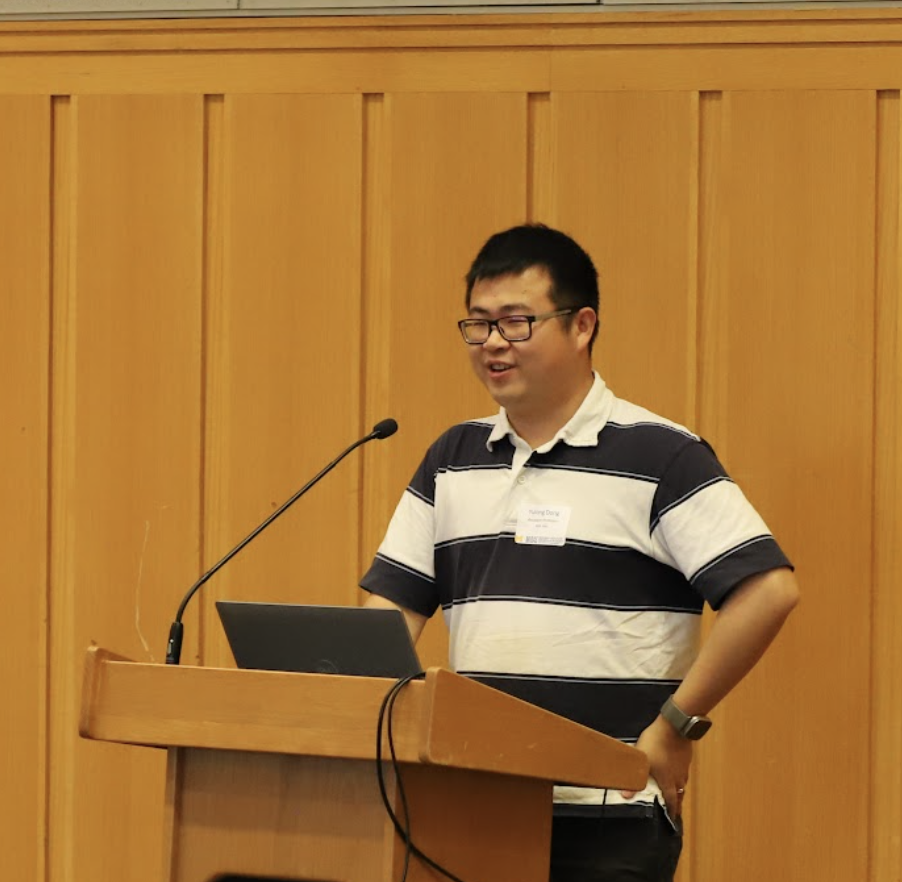
Dr. Yulong Dong, jointly appointed in Electrical and Computer Engineering and Mathematics, studies quantum machine learning (QML). Classical machine learning trains models such as neural networks on data; QML uses parameterized quantum circuits instead. QML is especially promising for problems that are quantum by nature, such as quantum chemistry and condensed-matter physics, and could offer advantages in speed or data efficiency.
Today’s quantum computers are noisy and error-prone. Without noise, quantum models are expressive and powerful; with heavy noise, they become hard to train and lose their ability to represent data. Dr. Dong uses mathematical and statistical analysis to explore what lies in between. His work shows that quantum noise acts as an implicit regularizer, and that a moderate amount of noise can actually lower testing error, creating a “sweet spot” between the two extremes. Building on this, his team proposes deliberately programming noise into QML training to help models generalize better.
Language, Cognition & Culture
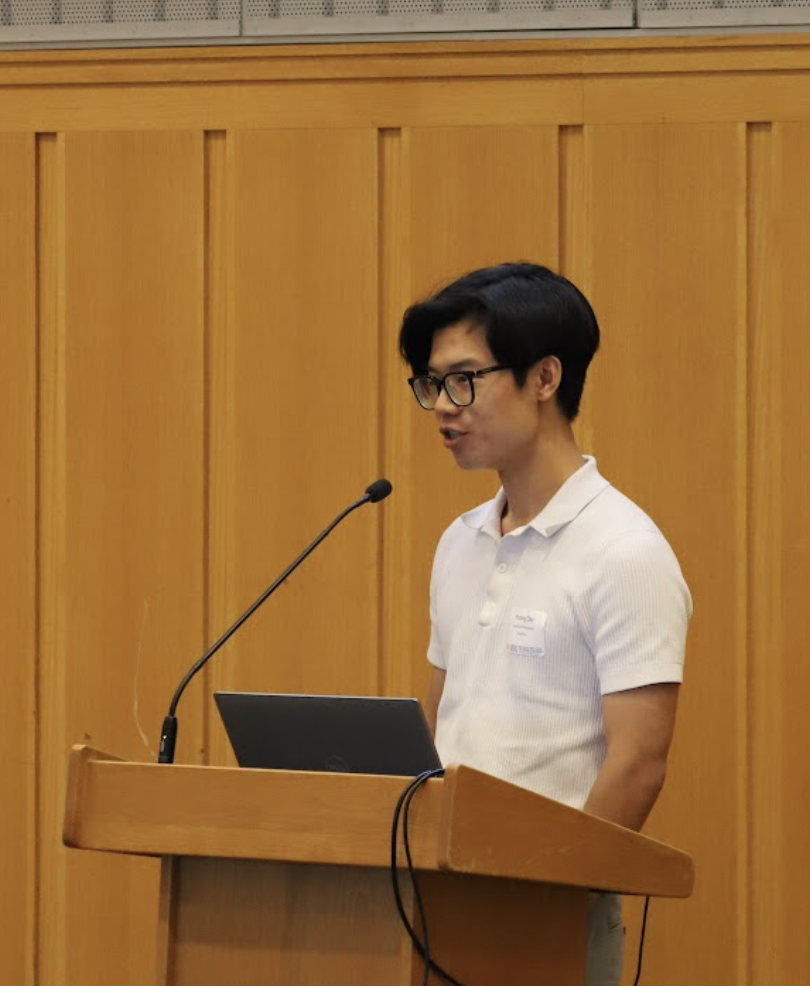
Dr. Huteng Dai
Linguistics
Designing language models embedded with cognitively plausible human memory structures, examining context window retention, output selection, and realistic forgetting dynamics.
Research Summary
Dr. Huteng Dai, of the Department of Linguistics, studies memory in language models and how it compares with human memory. Every language model architecture, from RNNs and LSTMs to Transformers, state-space models and memory networks, makes design choices about how it stores past words, what information it lets through, and how it retrieves what it has stored. Dr. Dai maps these architectures side by side to show how differently they handle memory.
His work asks what a language model would look like if its memory worked more like a human’s. Comparing architectures on three features (how many words they hold at once, how they forget, and how selectively they recall) shows that the human brain follows a pattern no current model matches: it holds only a few items at a time, forgets based on both time and similarity, and recalls information in a graded rather than all-or-nothing way. Dr. Dai is designing language models built around these cognitively realistic memory structures, with human-like context retention and forgetting.
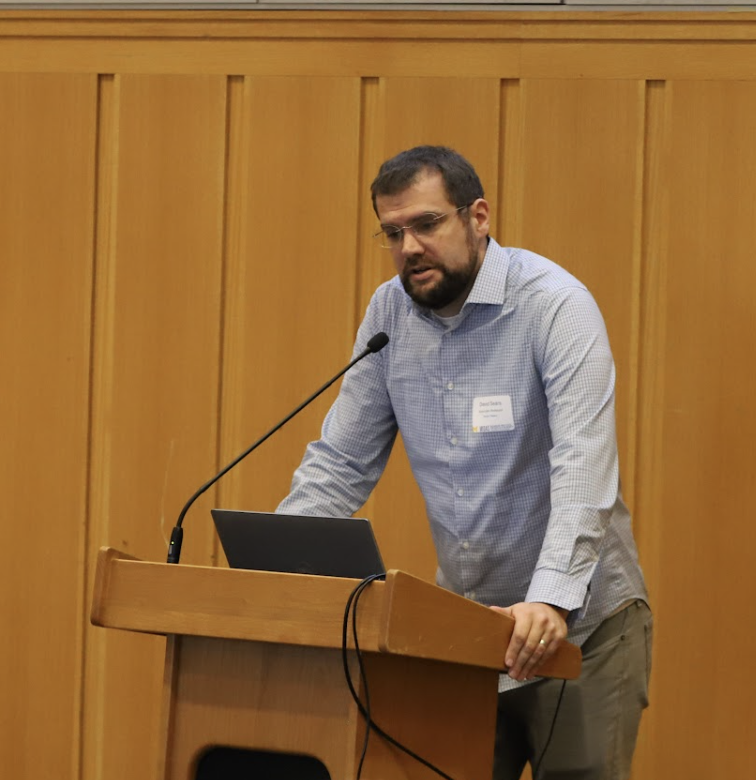
Dr. David Sears
School of Music, Theatre & Dance
Video RecordingCombining experimental music psychology with data science through the “Geolisten” app and “Mirage” global radio database to study how humans and machine listening models associate music with geography.
Research Summary
Dr. David Sears, of Music Theory in the School of Music, Theatre & Dance, leads the Music Cognition & Computation Lab, which combines experimental music psychology with data science. A central question in his work is how people, and machine listening models, connect music with places around the world.
On the cognition side, the lab developed GeoListen, a game-style app for studying geographic music listening, which generates data on how precisely listeners link music to countries, regions and continents. On the computation side, the MIRAGE project has built a relational database and interactive dashboard of about 1 million listening events from internet radio stations worldwide. Together, these projects support new research on global music listening and on how music maps onto geography.
Clinical & Biomedical AI
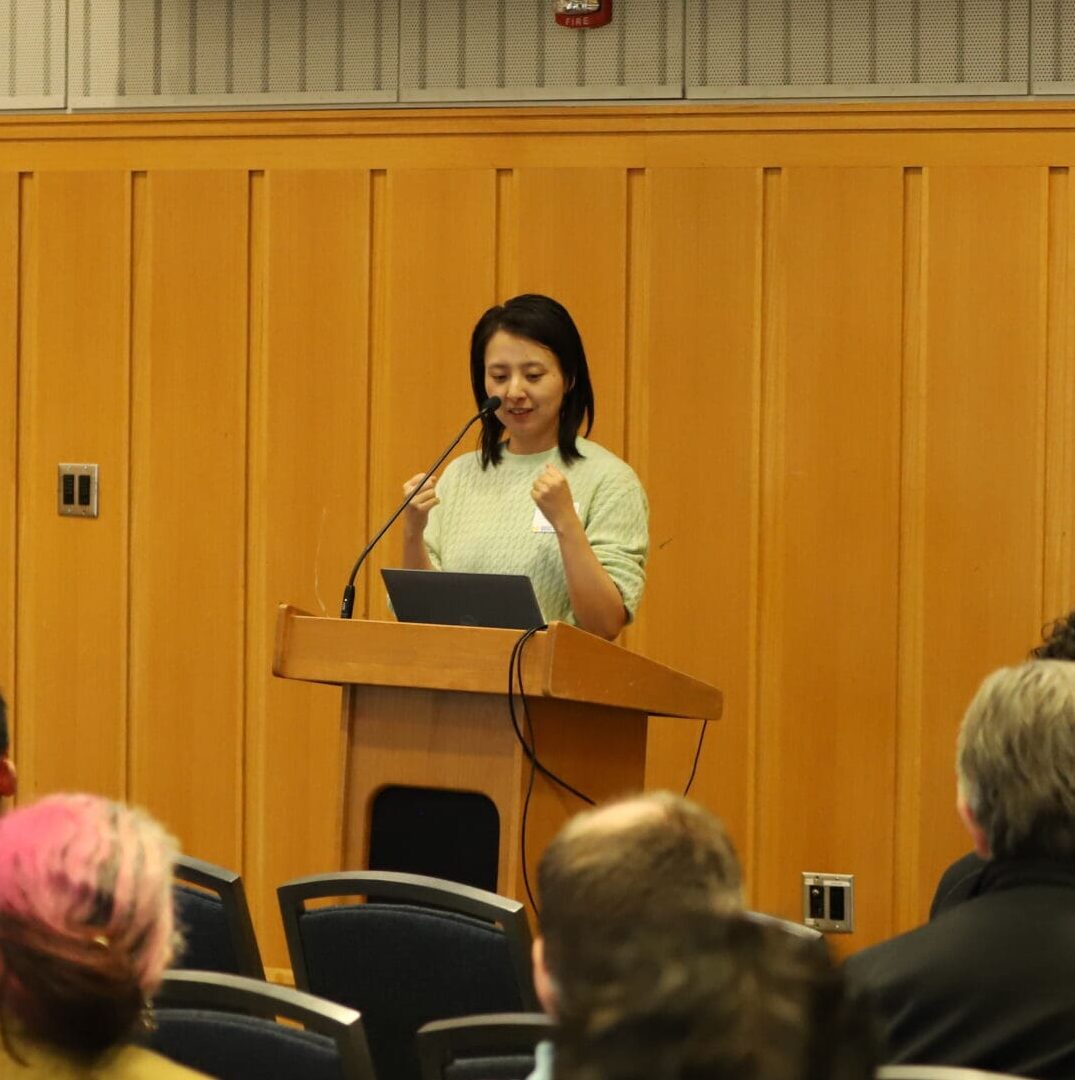
Dr. Joyce Yan-Ran Wang
Biomedical Engineering / Michigan Medicine, Pixile Lab
Developing “smart patient retrieval” systems using pre-surgical MRI and multimodal AI to match complex current cases with historical patient profiles, assisting clinicians in personalized treatment planning.
Collaborators and Partnerships Wanted:
Oncology, critical care, pediatric neuro-oncology, cardiology and radiology who can help define what makes two patients clinically similar. Computer science and machine learning faculty working on multimodal foundation models, uncertainty estimation and large-scale training.
Research Summary
Dr. Joyce Yan-Ran Wang leads PixAIL, a lab that connects medical imaging and AI research with clinical care. Her past work includes predicting the molecular subgroup of medulloblastoma from MRI before surgery, AI-enabled cardiac MRI screening, and AI models that lower the radiation dose in PET scans.
Her current focus is “smart patient retrieval,” published in Nature Reviews Cancer with collaborators at Stanford. Clinicians often think, “I had a similar patient who…,” but that instinct is limited by one person’s memory. Dr. Wang’s system scales it across health systems: when a treatment decision is being made, it finds earlier patients with known outcomes, judges whether they are truly relevant, and declines to answer when it can’t find a good match. The work began in oncology and is expanding to critical care and rare diseases.
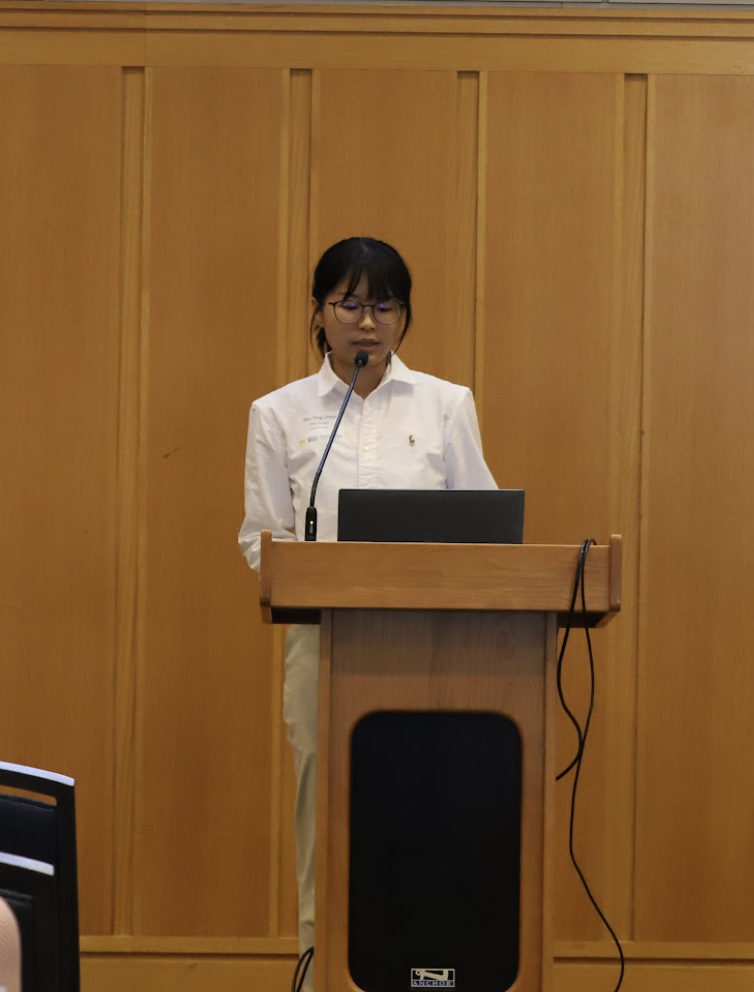
Ssu-Ying Chen
Anesthesiology, Michigan Medicine, MACE AIG
Video RecordingBuilt an automated two-step pipeline combining local LLMs and vector databases to extract clinical indications from notes and map them to Human Phenotype Ontology (HPO) terms for whole-genome sequencing analysis with 91% precision.
Research Summary
Su-Ying Chen is part of Maise AIG, an AI group within Michigan Medicine’s Department of Anesthesiology. Her current project is a collaboration with the Molecular Genetics Laboratory (MGL), which uses whole-genome sequencing to find the genetic variants behind a patient’s condition. To prioritize those variants, the lab needs each patient’s symptoms written as standardized Human Phenotype Ontology (HPO) terms, but that information is buried in free-text clinical notes. The tool the lab had been assessing, Doc2Hpo, reached a precision of only 0.4 and took 5 to 10 minutes per note.
Chen’s team found that a single end-to-end retrieval pipeline could pull in terms from similar documents rather than from the note itself. They split the task into two steps: a local large language model first reads the note and extracts the clinical indications, then a vector database matches each one to the closest HPO terms and filters out low-confidence matches. The new pipeline reached 91% precision and 93% recall at about two minutes per note. Next steps include refining the pipeline with feedback from the lab, deploying it on stakeholders’ own machines, and presenting at the 2026–27 Learning Health Systems Collaboratory poster session.
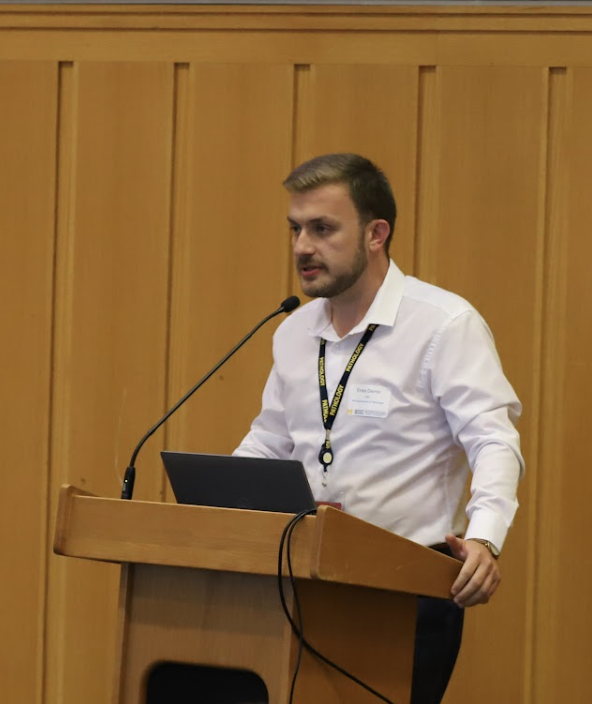
Dr. Enes Demir & Dr. Michael Karsy
Pathology / Neurosurgery
Video RecordingCreated an AI-driven microscopic neurosurgical video summarization framework that automatically filters out blurry or idle footage and selects keyframes to condense hours of surgery into concise highlights.
Research Summary
Dr. Enes Demir (Pathology) and Dr. Michael Karsy (Neurosurgery) are part of Surgical Insight, a team building AI that turns hours of surgical video into short, useful summaries. The project is supported by the Coulter Translational Research Partnership and brings together the Department of Neurosurgery and Computer Science and Electrical Engineering, with Dr. Karsy and Dr. Stella Yu as co-principal investigators. Microscopic neurosurgery cases are recorded for 3 to 10 hours, but much of the footage is repetitive, blurry or uninformative, and reviewing it by hand is too slow to scale. As a result, valuable clinical information goes unused.
The team’s approach works in three stages. First, it automatically removes blurry, redundant and idle frames, along with frames obscured by blood. Next, it combines a small number of surgeon-labeled videos with large amounts of unlabeled footage to learn which moments are clinically important. Finally, it creates highlight summaries on demand, letting users choose a short, medium or long version. The team has built an annotation tool for surgeons and begun prototyping the first stage. The goal is a first-of-its-kind video AI product for reviewing procedures, linking surgical events to outcomes, surgical education and quality improvement.
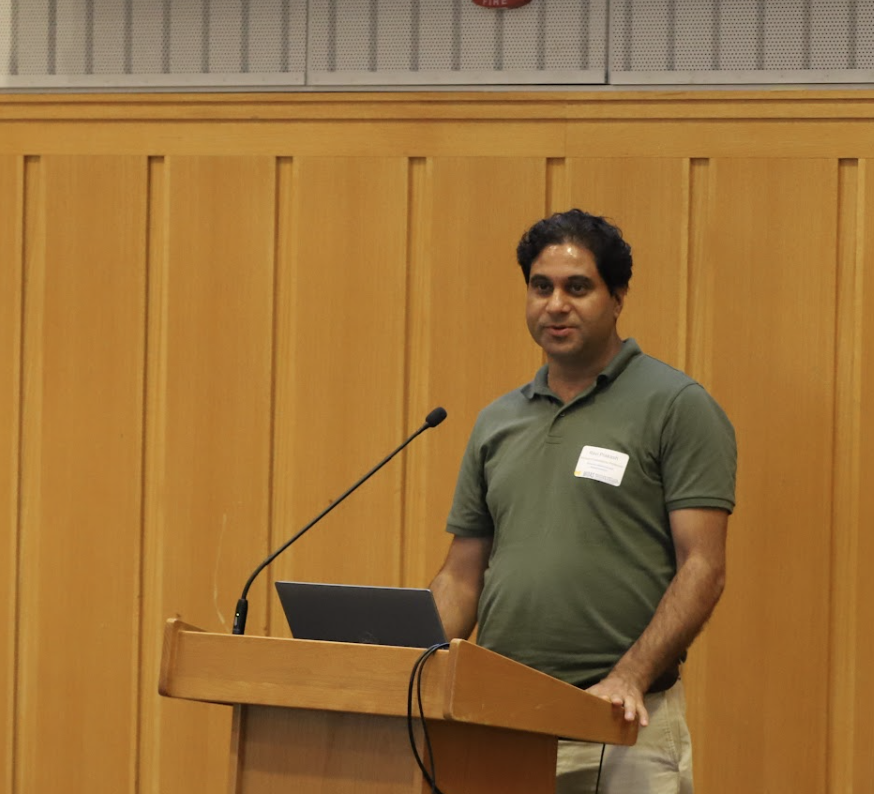
Dr. Ravi Prakash
Physical Medicine & Rehabilitation
Video RecordingConducting genome-wide association studies (GWAS) and single-cell RNA sequencing on shoulder (glenohumeral) osteoarthritis, identifying a novel risk locus on chromosome 8 and pathogenic cartilage cell types.
Research Summary
Dr. Ravi Prakash, of Physical Medicine and Rehabilitation at Michigan Medicine, studies the genetics and biology of glenohumeral (shoulder) osteoarthritis. Large genetic studies have identified hundreds of risk sites for osteoarthritis of the hand, knee and hip, but the shoulder has been largely overlooked, leaving a gap in understanding why some people develop the disease.
His research program has three parts. First, he runs genome-wide association studies (GWAS) on patients whose shoulder osteoarthritis has been confirmed by imaging, using health-record and genetic data from BioVU for discovery and the Michigan Genomics Initiative for replication. Second, he plans to recruit about 2,000 patients at Michigan Medicine to find genetic variants linked to two different patterns of joint wear, known as glenoid types A and B. Third, he is using single-cell and bulk RNA sequencing of tissue from about 110 patients to identify which cell types drive the disease. Early results include a candidate risk variant on chromosome 8 and a detailed map of cartilage cell diversity in shoulder osteoarthritis.
Sensing & Health Monitoring
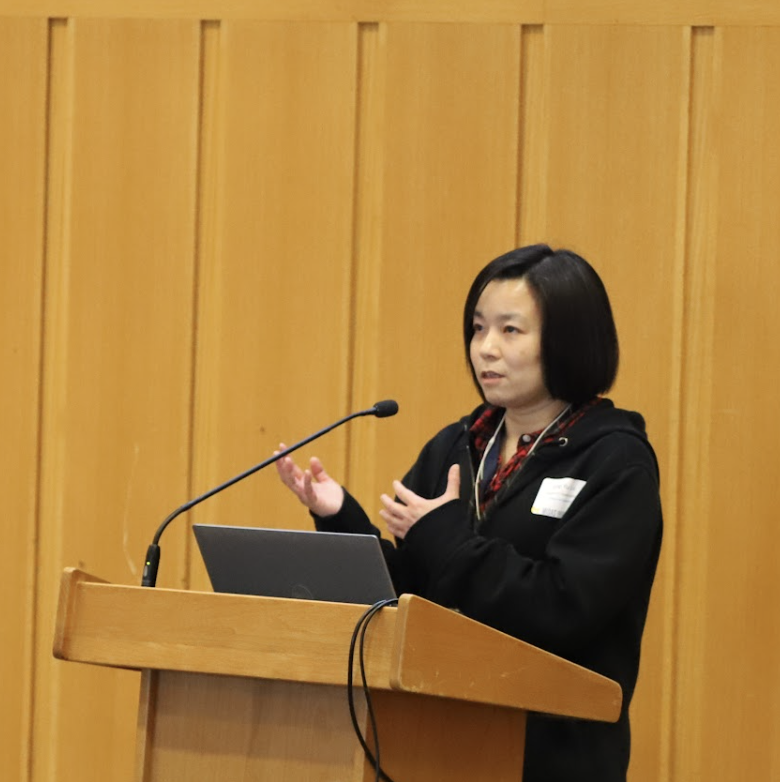
Dr. Ling-Yu Liu
School of Dentistry
Video RecordingDeveloping video-based sensorimotor phenotyping to trace jaw opening, incisor movements, and breathing patterns (96% accuracy) using multimodal AI to connect facial indicators to neurological disorders and reflexes.
Collaborators and Partnerships Wanted:
Dr. Liu is looking for collaborators with expertise in large language models and machine learning who can help integrate these video-based indicators into a single system for fully autonomous phenotyping.
Research Summary
Dr. Ling-Yu Liu, of the School of Dentistry, studies how the nervous system controls the jaw, face and breathing, and what facial movements reveal about the brain. Facial movements can reflect behavioral state and explain much of the variation in neural activity, but a single signal is often ambiguous: an apparent jaw movement could mean chewing, licking, swallowing, grooming, yawning, a pain response or simply a tracking error.
Her lab is working toward automated, minimally supervised sensorimotor phenotyping in mice. Using optogenetics, the team stimulates nerve fibers in a tooth with light delivered through an optic fiber, then uses a video-based AI model to measure the resulting jaw-opening reflex. A second video model measures the breathing changes triggered by the same stimulation. Combining several indicators, such as jaw opening, breathing and facial expression, provides the context needed to interpret each one accurately.
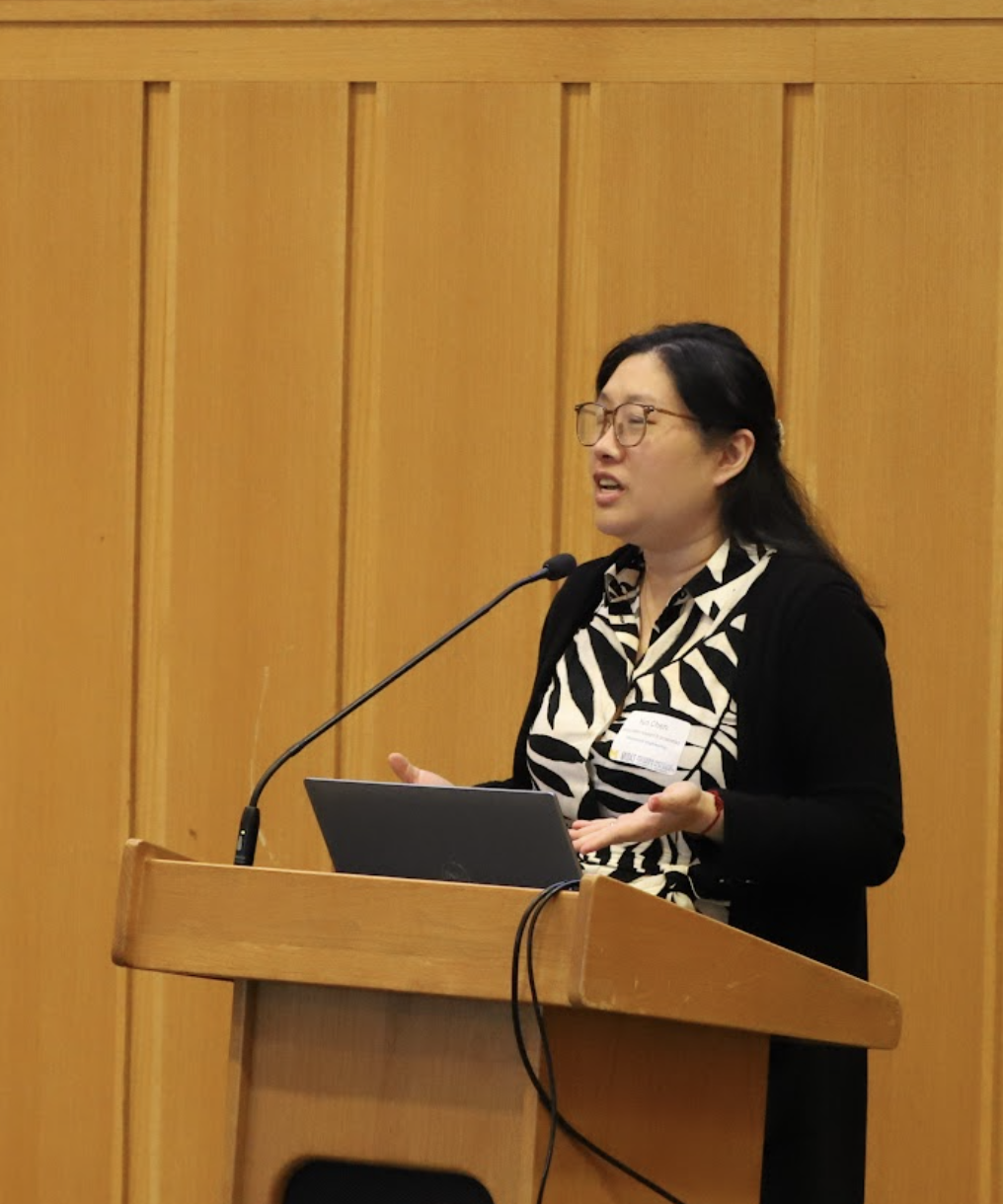
Dr. Yun Chen
Mechanical Engineering
Video RecordingDesigning real-time AI-driven communication hardware, optical fiber/ultrasound sensors, and System-on-Chip (SoC) architectures for edge computing in marine, medical, and industrial environments.
Collaborators and Partnerships Wanted:
Dr. Chen welcomes collaboration with health researchers interested in smart ultrasound imaging, continuous health monitoring, multimodal biomedical sensing and closed-loop therapy, as well as environmental scientists working on Great Lakes observation, water quality, ecosystem and climate monitoring.
Research Summary
Dr. Yun Chen, of Mechanical Engineering, leads the XG Lab, which develops AI methods that turn data from many kinds of sensors into reliable, real-time information. The lab’s work spans multimodal sensor fusion, robust AI for imperfect sensor arrays, spatiotemporal modeling that accounts for uncertainty, and low-power “edge” AI built into custom hardware. It builds on nearly two decades of work in communication technologies, including chip designs for 5G/6G systems, with five chip tape-outs and more than ten reusable hardware designs.
The lab applies these tools across several areas. In health, it builds wearable fall detection, AI-enhanced optical imaging and programmable ultrasound systems. In the environment, it develops optical fiber and acoustic sensors, buoys and autonomous platforms for monitoring water quality and ecosystems in the Great Lakes. In vehicles, it works on secure smart-key access, camera-free monitoring of passengers’ vital signs, and reliable autonomous parking.
Robotics & Autonomous Systems
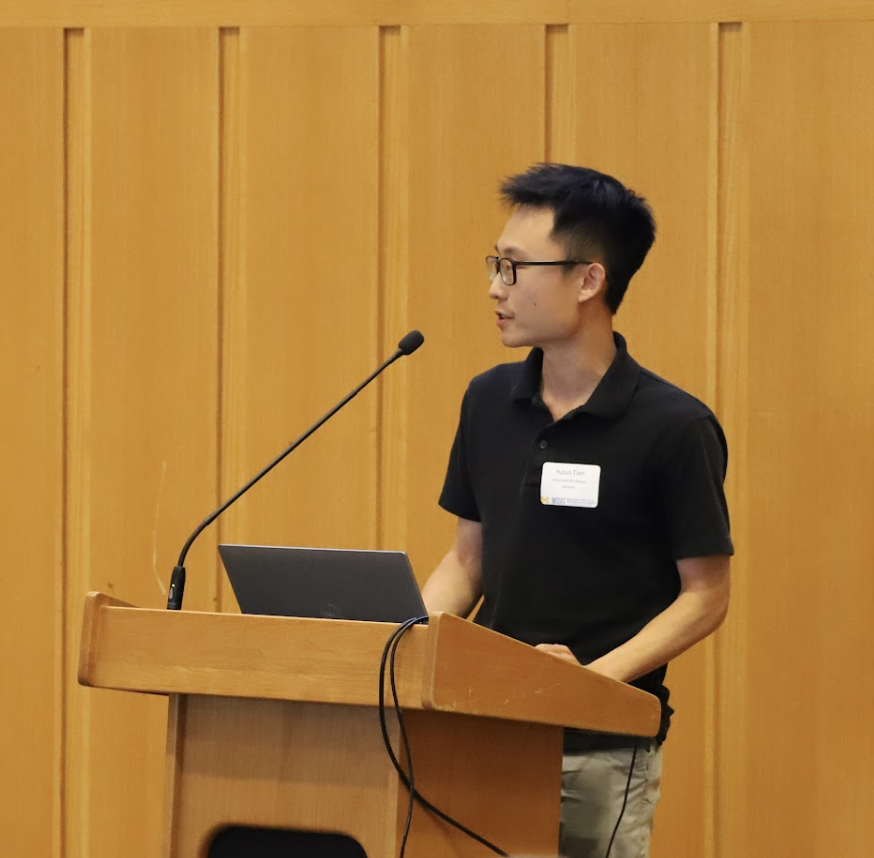
Dr. Yulun Tian
Robotics
Video RecordingCreating real-time spatial AI and persistent 3D environmental memory systems (processing 35 frames per second) to enable autonomous robot teams to reason about spatial relations from natural language commands.
Collaborators and Partnerships Wanted:
Dr. Tian is interested in bringing spatial intelligence to new domains, such as construction and the built environment and self-driving labs, and welcomes conversations with researchers who have other ideas or application areas in mind.
Research Summary
Dr. Yulun Tian, of the Robotics Department, leads the Scalable Spatial Intelligence Lab, which develops ways for robots to understand and reason about the 3D world around them. Today’s foundation models, such as vision-language models, work mainly with 2D images, and existing methods that lift their understanding into 3D are too slow for real-time robotic tasks.
His lab’s system, LatentAM, builds 3D maps in real time that robots can query in plain language, with commands like “Find the large stool next to the couch.” It uses a technique called Gaussian splatting and compresses vision-language model features through efficient numerical optimization, running at up to 35 frames per second and scaling to paths more than 500 meters long. The work, published in Robotics and Automation Letters in 2026, is now being extended to teams of multiple robots.
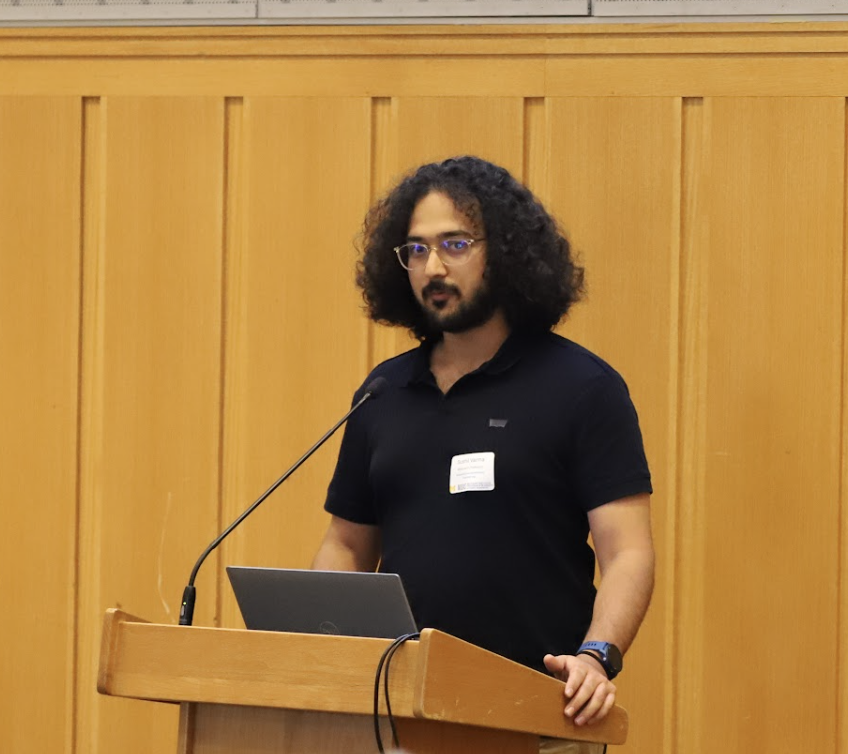
Dr. Sushil Varma
Industrial & Operations Engineering
Video RecordingApplying stochastic matching networks and optimization models to solve large-scale operational challenges for autonomous vehicle and air taxi fleets.
Research Summary
Dr. Sushil Varma, an assistant professor of Industrial and Operations Engineering, designs practical operational algorithms with proven performance guarantees. He earned his Ph.D. in operations research at Georgia Tech, where his dissertation focused on stochastic matching networks and their applications to matching markets, and was a postdoctoral researcher at INRIA Paris, working on random graphs and matrices. His work applies to online marketplaces, electric vehicles and payment channel networks.
A major focus is autonomous vehicle operations. Autonomous vehicles are expensive assets, so fleets must keep them highly utilized. Dr. Varma studies three connected questions: fleet management, or designing algorithms that decide which vehicle to match with a rider, charge or relocate; fleet design, or choosing what sizes and types of vehicles to operate; and demand response, or exploring how a single vehicle can serve multiple purposes, such as delivering packages and carrying passengers, through resource pooling.
Materials & Engineering Simulation
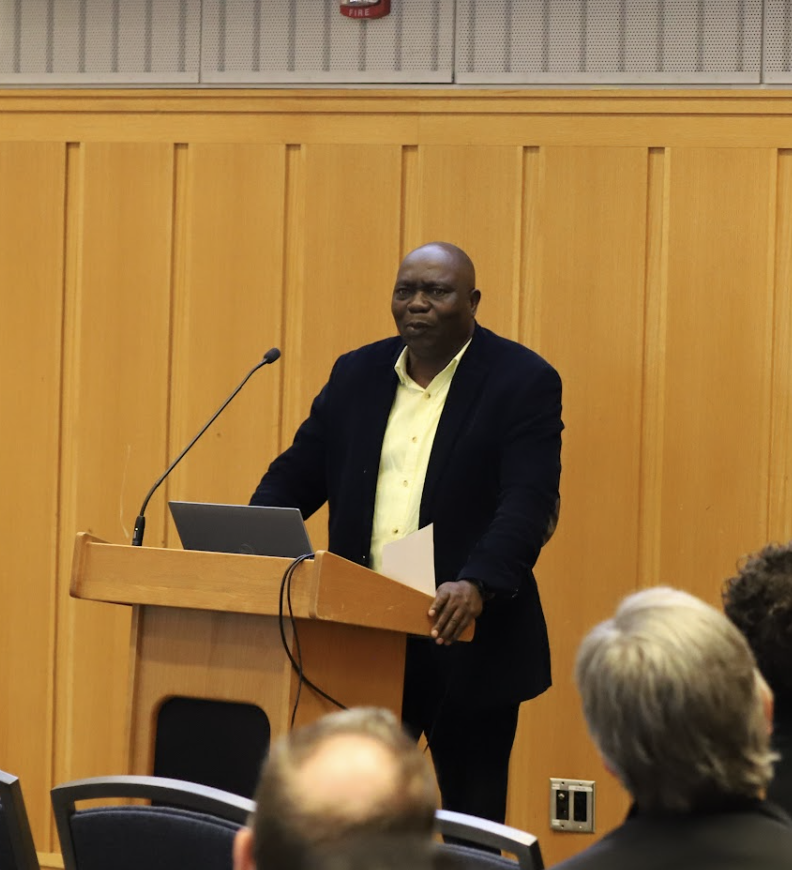
Dr. Olanrewaju Aluko
Mechanical Engineering, UM-Flint
Video RecordingCombining molecular dynamics simulations with geometric deep learning and atomic potentials in LAMMPS to discover lightweight nanocomposites for automotive and aerospace engineering.
Collaborators and Partnerships Wanted:
Dr. Aluko is seeking collaborators who can help connect machine learning interatomic potentials with LAMMPS, a widely used simulation package, to enable scalable atomic-scale simulations for multiscale analysis.
Research Summary
Dr. Olanrewaju Aluko, of UM-Flint, works in computational materials science with a focus on nanocomposites. At the nanoscale, materials behave in new ways, opening paths to stronger, lighter and faster technologies. His research examines how nanostructured materials affect the mechanical properties of composites, with the goal of discovering lightweight nanocomposites with exceptional strength and toughness for automotive, aerospace, energy, military and biomedical applications.
His group uses molecular dynamics (MD) simulations to reveal how structure relates to properties in materials such as epoxy reinforced with graphene nanoplatelets, carbon nanotubes and nanodiamonds. These simulations are complex and computationally demanding, so he is turning to machine learning interatomic potentials to make them faster, more accurate and more scalable. Next, he plans to use geometric deep learning to accelerate MD simulations of nanodiamond/epoxy composites and other materials of interest.
Earth, Climate & Space
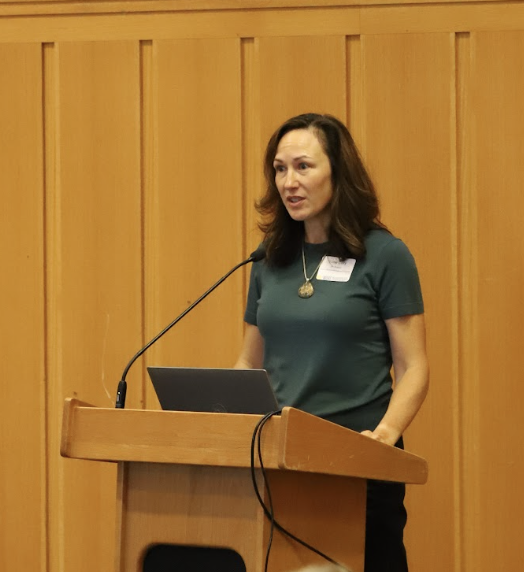
Dr. Rose Cory
Earth & Environmental Sciences
Video RecordingIntegrating decades of ground-based Arctic lake water chemistry data with satellite observations via machine learning to quantify greenhouse gas emissions from thawing permafrost.
Research Summary
Dr. Rose Cory, of Earth and Environmental Sciences, studies how climate change is transforming the Arctic. The Arctic is warming faster than the rest of the planet, and as permafrost thaws it releases greenhouse gases; this release alone may warm Earth by 0.4°C over the next 100 years. Lakes are central to this process. The Arctic is dense with them, and they receive organic carbon from surrounding soils and help break it down into greenhouse gases.
Her team’s intensive monitoring of Arctic rivers and lakes shows significant changes in water chemistry over roughly the past 16 years, driven by permafrost thaw in the surrounding watersheds. Dr. Cory’s goal is to scale these findings across the Arctic using satellites. By linking ground-based water chemistry measurements with satellite-measured water color, her team aims to track how lakes are changing, run targeted field sampling to check predictions, and estimate greenhouse gas emissions from Arctic rivers and lakes across space and time.
Dr. Lauren Gillespie
School for Environment and Sustainability
Video RecordingApplying AI foundation models and automated biodiversity monitoring strategies to extract ecological insights from textual descriptions for species with sparse or zero photographic records.
Research Summary
Dr. Lauren Gillespie, of the School for Environment and Sustainability, builds AI tools to monitor ecosystems during a time of rapid change. Land use and climate change are reshaping ecosystems worldwide: plant biomass has roughly halved since pre-industrial times, and monitored animal populations have shrunk by about 75% over the past 50 years. Yet high-quality ecological data remains sparse, and species are being lost faster than scientists can discover them. Her new lab develops AI-integrated approaches, built on foundation models, to monitor ecosystems at scale.
Through a MIDAS PODS project called POPLAR (Programmatic Product-of-experts over Language-derived Representations), she is tackling a key weakness of species-recognition AI. These models work well when many labeled photos exist, but rare species often have only a handful of images, or none. At the same time, a wealth of expert knowledge, such as taxonomic descriptions and identification keys, goes unused by vision systems. POPLAR draws on these text descriptions to improve species recognition when images are scarce, while keeping its decisions interpretable. The approach could apply to any field where visual examples are few but expert descriptions are plentiful.
Dr. Feige Wang
Astronomy
Video RecordingUtilizing machine learning algorithms on astronomical data from the James Webb Space Telescope to de-blend spectral light, detect faint early-universe galaxies, and benchmark models.
Collaborators and Partnerships Wanted:
He is seeking collaborators in AI and machine learning to improve image processing, detect faint sources, separate overlapping spectra (spectral deblending), and identify and classify emission lines in telescope data.
Research Summary
Dr. Feige Wang, of the Department of Astronomy, studies the early universe, including supermassive black holes, galaxy evolution and the cosmic web, the large-scale structure that links galaxies across the universe. Using the James Webb Space Telescope, he studies light from galaxies and quasars that formed within the first billion years after the Big Bang, including quasar J0313–1806, the most distant quasar known to date.
Upcoming observatories will produce enormous amounts of data. The Roman Space Telescope is expected to collect 20 petabytes over its five-year mission, the Rubin Observatory will generate 15 terabytes of images every night, and the Euclid observatory will observe about 1.5 billion galaxies. Dr. Wang is exploring how machine learning and AI can mine this data for scientific discovery, and how astronomical data can in turn be used to train and benchmark AI models.
Dr. Weichao Tu
Climate & Space Sciences and Engineering
Video RecordingEmploying physics-informed machine learning and data-driven equation discovery to fuse satellite data and forecast space weather in the Van Allen radiation belts.
Collaborators and Partnerships Wanted:
As a domain scientist, Dr. Tu is looking for machine learning experts who can help connect space physics equations with modern AI, especially researchers working on interpretable AI, equation discovery and scientific machine learning who want to apply these ideas to real space physics problems.
Research Summary
Dr. Weichao Tu, of Climate and Space Sciences and Engineering, studies Earth’s Van Allen radiation belts, zones of high-energy particles shaped by interactions between the solar wind and Earth’s magnetic field. These particles pose real risks to space infrastructure, including satellite charging and damage to instruments, which makes accurate space weather forecasting important.
Her work combines decades of satellite measurements with physics-based models of how particles move through the belts. The core challenge is the data: satellites sample the belts sparsely, instruments suffer from heavy contamination, and combining data from different missions is difficult. Today, researchers tune model parameters by hand to fit observations. Dr. Tu is exploring physics-informed machine learning to automatically fuse datasets, remove contamination and fill gaps using known physical laws. She is also interested in data-driven methods, such as sparse regression and equation discovery, that could uncover unknown physical processes directly from satellite data.
Society & Public Life
Dr. Suzanne Perkins
Institute for Social Research
Video RecordingLeveraging large language models for narrative extraction from emergency department records, legal petitions, and child welfare reports to study traumatic brain injury patterns in childhood maltreatment.
Research Summary
Dr. Suzanne Perkins, of the Institute for Social Research, studies traumatic brain injury (TBI) related to child maltreatment, including abusive head trauma such as shaken baby syndrome. These injuries carry a heavy human and economic toll, but they are difficult to study at scale because many key details are recorded in written narratives rather than in structured data such as diagnosis codes.
Her proposed project uses large language models to extract information from those narratives across several sources: emergency department records (from NEISS and the Trauma Quality Programs Participant Use File), protection from abuse petitions, and child near-fatality and fatality review reports from the National Child Death Review Case Reporting System. The models would identify what the child was doing before the injury, its immediate cause, the injury that resulted, the behavior or interaction involved, and the objects and setting. These details would then be combined with variables such as age, sex, incident type, prior involvement with human services and county, and analyzed with structured topic modeling.
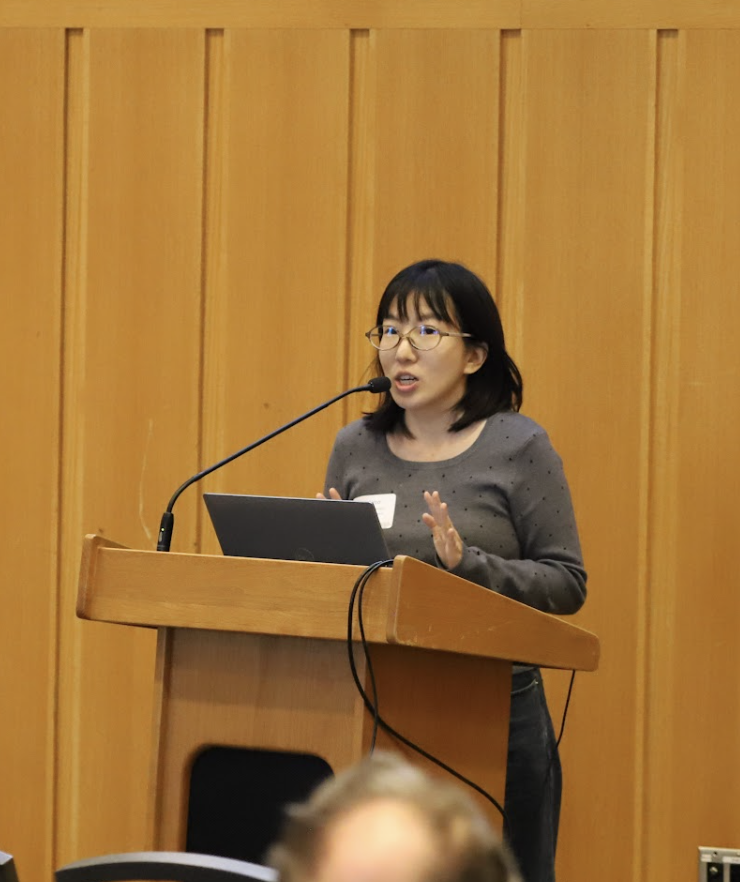
Dr. Nari Yoo
School of Social Work
Utilizing computational social science and NLP to create an automated support dashboard mapping nonprofit immigrant/refugee service agency referral networks and language capabilities while evaluating AI safety risks.
Collaborators and Partnerships Wanted:
Dr. Yoo is seeking collaborators for interviews and co-design workshops with practitioners, and for work on multilingual evaluation, trial design, and building corpora and benchmarks.
Research Summary
Dr. Nari Yoo, of the School of Social Work, leads the Immigrant Wellbeing and Technology Lab, which studies language access as a condition for mental health care and how digital care changes access for immigrant and multilingual communities. A major gap is that in-language care goes unmeasured at the level where policy acts: provider directories and organizational registers list who exists, but not which services are actually delivered in which languages.
Her lab uses natural language processing, large language models and geospatial methods to turn existing text, such as directories, filings and websites, into validated measures of access for populations that standard surveys underrepresent. Her research agenda has three parts: mapping where language-concordant care exists, including road-network access by census tract; studying what people do when care is not available in their language, including chatbot use across 12 program communities; and working with refugee and migrant service practitioners to classify the risks of AI use cases.