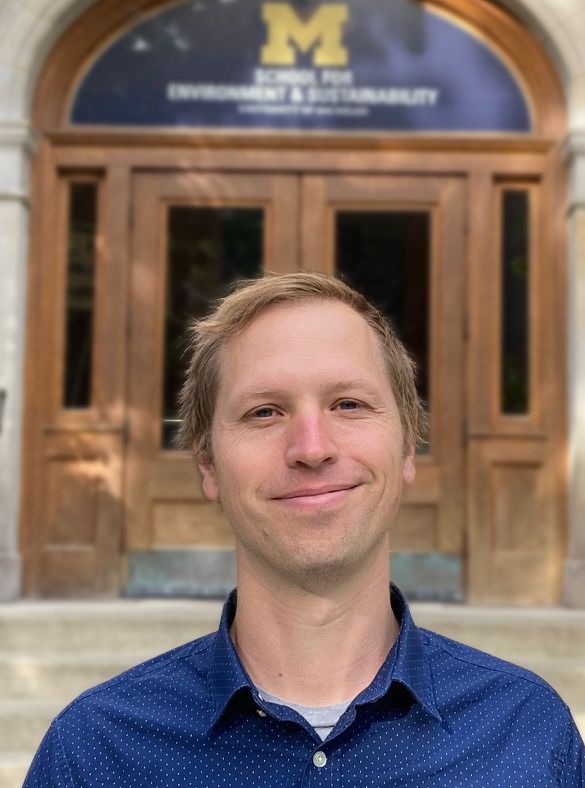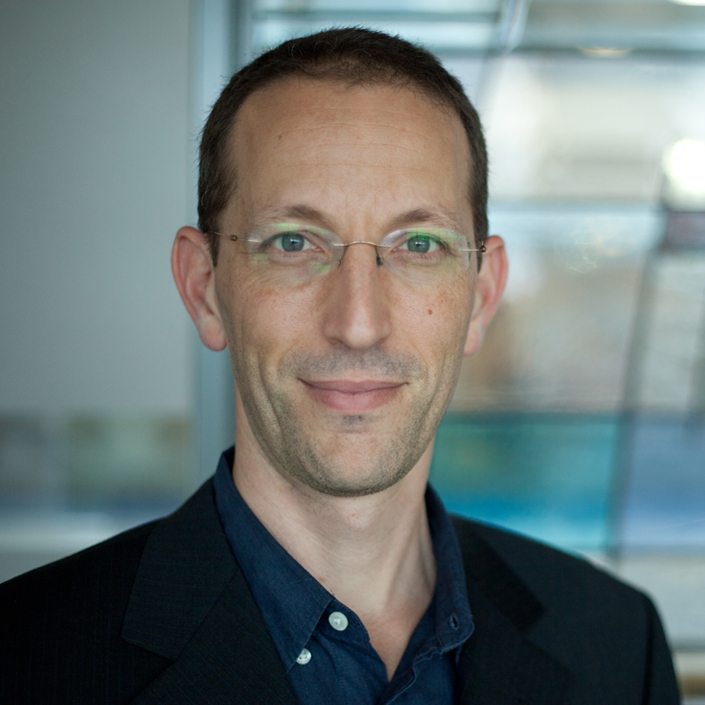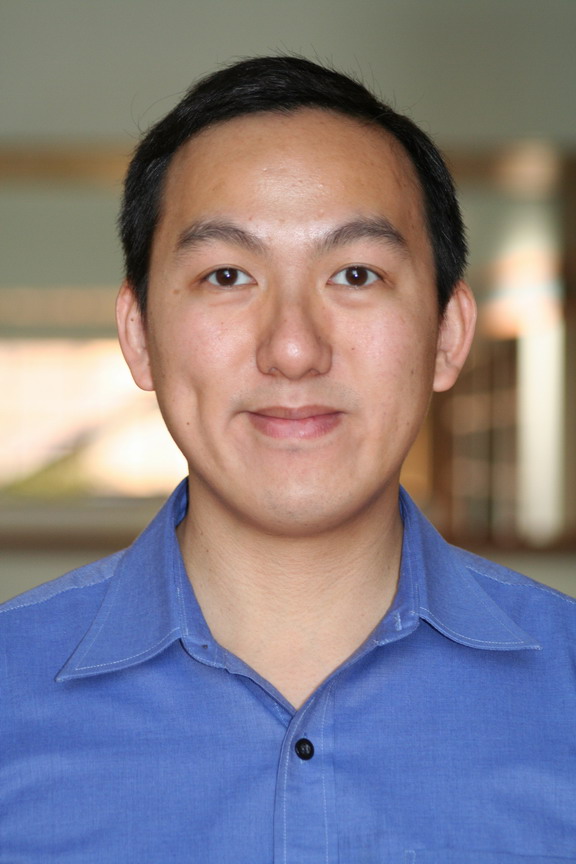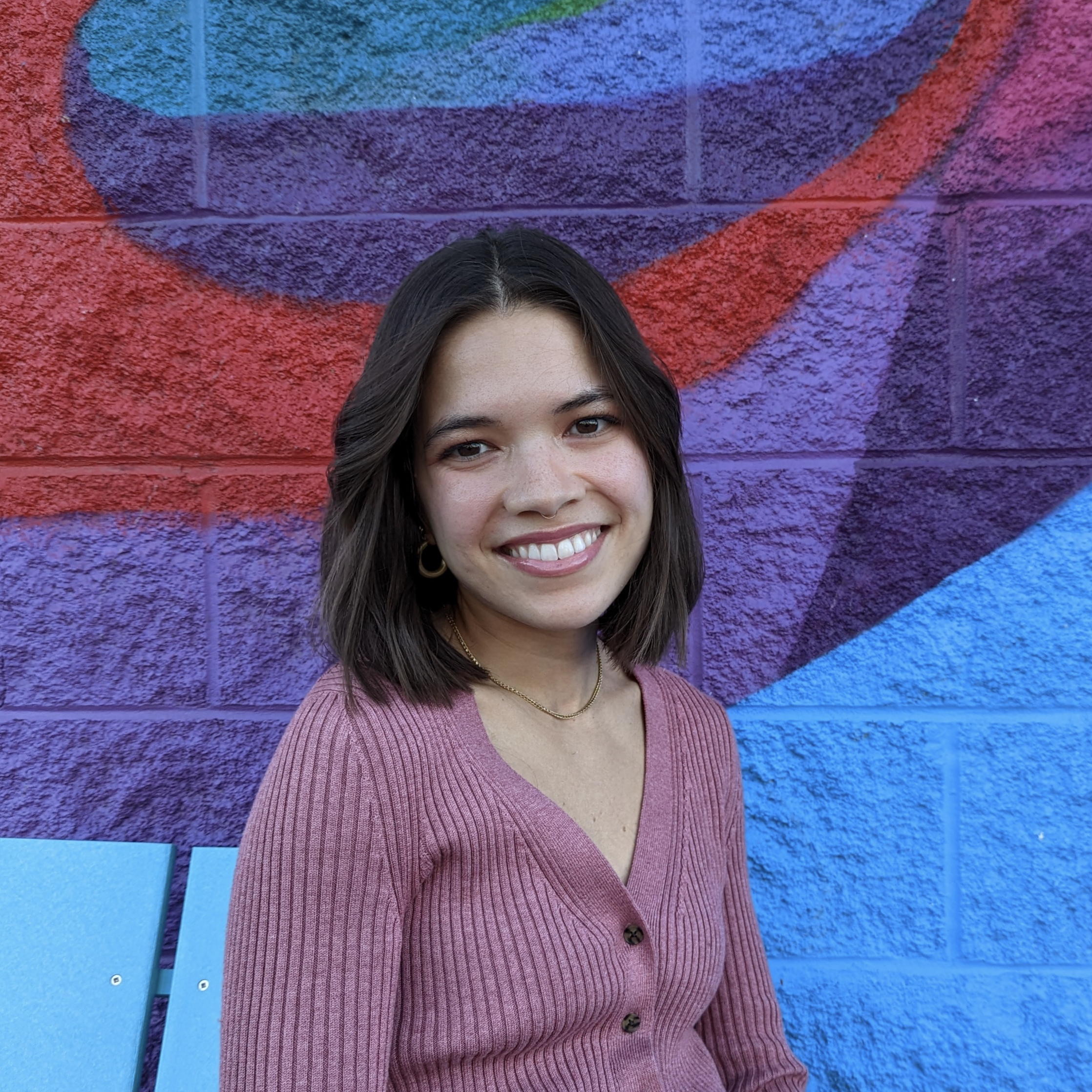
My research focuses on natural hazards and disaster information, everything from understanding where disaster data comes from, how it’s used, and its implications to design improved disaster information systems that prioritize the human experience and lead to more effective and equitable outcomes. My lab takes a user-centered and data-driven approach. We aim to understand user … Read more

Wei Hu is broadly interested in the theoretical and scientific foundations of modern machine learning, especially deep learning. His research aims to obtain a solid, rigorous, and practically relevant theoretical understanding of machine learning pipelines, as well as to develop principles to make them more reliable and efficient.
In the Weeks lab, we work at the intersection of ecology and evolutionary biology to try to understand how large scale biodiversity patterns arose, and what they might tell us about how natural systems will respond to human activities. We have a particular focus on the impacts of climate change on birds, and are increasingly … Read more
Sean Johnson is an observational astronomer and primarily studies galaxies, supermassive black holes, and the surrounding gas supplies that fuel their growth. By combining datasets from space-based and large ground-based telescopes, he studies the physical conditions of the gas supplies that enable galaxies to continue forming stars, and identifies the chemical signatures of heavy elements … Read more
YZ’s research can be summarized into two words: Matter and Machine. On the Matter side, his group studies far-from-equilibrium physics. They synergistically combine and push the boundaries of statistical and stochastic thermodynamic theories, accelerated molecular simulations, understandable AI/ML/DS methods, and neutron scattering experiments, with the goal of significantly extending our understanding of a wide range … Read more
The ROAHM (Robotics and Optimization for the Analysis of Human Motion) Lab seeks to understand and improve human and robot interaction with one another and with the environment. We devise techniques to diagnose unsafe behavior and construct controllers that can then safely intervene or aid in retraining. Our work seeks to develop practical solutions to … Read more
Mark Lindquist, ASLA, PhD, is an Associate Professor of Landscape Architecture. His research focuses on designing and evaluating high-performance landscapes with an emphasis on multifunctional green infrastructure in urban areas and leveraging AI for the creation and evaluation of these environments. He is particularly interested in understanding how engaging with computation, data, and virtual and … Read more
“Professor Revzen and his team at the Biologically Inspired Robotics and Dynamical Systems (BIRDS) Lab are working on discovering, modeling, and reproducing the strategies animals use when interacting with physical objects. This work consists of collaboration with biomechanists to analyze experimental data, developing new mathematical tools for modeling and estimation of model parameters, and construction … Read more
I work on photonic devices, mainly semiconductor based. Currently, my group are working on chip-scale spectrometers, quantum light sources, and tactile sensors. Accomplishments and Awards 2022 Propelling Original Data Science (PODS) Grant Award: Machine Learning Guided Co-design for Reconstructive Spectroscopy