Registration is closed for 2026
Academy Overview
The Biomedical Summer Academy will introduce participants to key concepts of data science and artificial intelligence, showing how they can be leveraged in biomedical research and incorporated into grant proposals. Previous course topics have included introductions to Python programming, machine learning techniques, and use-case examples.
Participants are expected to bring a laptop for the academy.
Light breakfast options will be available daily. A dedicated lunch reception is planned for Wednesday.
Topics
- Key concepts of data science
- Introduction to Python programming and its use in data science
- Machine learning techniques, including support vector machines, artificial neural networks, and deep learning
- Examples of biomedical research projects that leverage data science
- Incorporating data science into biomedical grant proposals
Objectives
At the conclusion of this activity, participants will be able to:
- Determine which data science/artificial intelligence techniques are appropriate for a given clinical application and apply them to their own clinical and/or research activities.
- Develop strategies for integrating data science into their grant applications, work effectively with data scientists, and build new collaborations.
- Utilize data science solutions and apply them to biomedical problems.
Curriculum and Academy Schedule
*Session dates and times may be subject to change.
Click each section for more details
8:00 AM – 9:30 AM
Session 1: Welcome and Introduction to the Program
Presented by: Kayvan Najarian
9:30 AM – 9:45 AM
Break
9:45 AM – 11:15 AM
Session 2: Clustering vs Classification; k-means; k-Nearest Neighbors
Presented by: Kayvan Najarian
11:15 AM – 11:30 AM
Break
11:30 AM – 1:00 PM
Session 3: Simple Classification Methods and Feature Analysis
Presented by: Kayvan Najarian
1:00 PM – 2:00 PM
Lunch on your own
2:00 PM – 3:30 PM
Session 4: Introduction to Python Programming
Presented by: Emily Wittrup
8:00 AM – 9:30 AM
Session 5: Model Validation and Assessment
Presented by: Kayvan Najarian
9:30 AM – 9:45 AM
Break
9:45 AM – 11:15 AM
Session 6: Artificial Neural Networks
Presented by: Kayvan Najarian
11:15 AM – 11:30 AM
Break
11:30 AM – 1:00 PM
Session 7: Information Theory and Regression Trees
Presented by: Kayvan Najarian
1:00 PM – 2:00 PM
Lunch on your own
2:00 PM – 3:30 PM
Session 8: Python Programming for Linear Regression, and Naïve Bayes
Presented by: Emily Wittrup
3:30 PM – 3:45 PM
Break
3:45 PM – 4:45 PM
Session 9: Using Machine Learning for Clinical and Health Applications I
Presented by: Nambi Nallasamy
8:00 AM – 9:30 AM
Session 10: Random Forest and Support Vector Machines
Presented by: Kayvan Najarian
9:30 AM – 9:45 AM
Break
9:45 AM – 11:15 AM
Session 11: Deep Learning I
Presented by: Kayvan Najarian
11:15 AM – 11:30 AM
Break
11:30 AM – 1:00 PM
Session 12: Python Programming for Neural Networks, Regression Trees, and Random Forest
Presented by: Emily Wittrup
1:00 PM – 2:00 PM
Lunch Reception (provided)
2:00 PM – 3:00 PM
Session 13: Python Programming for Support Vector Machines
Presented by: Emily Wittrup
3:00 PM – 3:15 PM
Break
3:15 PM – 4:45 PM
Session 14: Using Machine Learning for Clinical and Health Applications II
Presented by: Frank Hu
8:00 AM – 9:30 AM
Session 15: Deep Learning II and Generative AI
Presented by: Kayvan Najarian
9:30 AM – 9:45 AM
Break
9:45 AM – 11:15 AM
Session 16: Agentic AI and New Direction in AI
Presented by: Kayvan Najarian
11:15 AM – 11:30 AM
Break
11:30 AM – 1:00 PM
Session 17: Python Programming for Deep Learning
Presented by: Emily Wittrup
1:00 PM – 2:00 PM
Lunch on your own
2:00 PM – 3:00 PM
Session 18: Using Machine Learning for Clinical and Health Applications III
Presented by: Michael Mathis
3:00 PM – 3:15 PM
Break
3:15 PM – 4:45 PM
Session 19: Guidelines on Using Machine Learning for Clinical Applications
Presented by: Michael Mathis
8:00 AM – 9:30 AM
Session 20: Strategies to Add Data Science Flavor to Health Related Projects and Grant Proposals
Presented by: Kayvan Najarian
9:30 AM – 9:45 AM
Break
9:45 AM – 11:15 AM
Session 21: Some Health Applications of AI and Open Discussion
Presented by: Kayvan Najarian
11:15 AM – 11:30 AM
Break
11:30 AM – 1:00 PM
Session 22: Using Machine Learning for Clinical and Health Applications IV
Presented by: Keith Aaronson
Additional Information
- Internal Participants (U-M Personnel and Students): $200
(Thanks to the support from the University that allows us to offer a deep discount for U-M employees and students)- Free for students in the Graduate Data Science Certificate Program – a code will be provided
- Other academic institutions and U-M alumni: $1,000
- External Participants: $3,000
This academy is open to all biomedical scientists, with the content geared towards junior faculty members and those from the public and private sectors who are interested in learning about incorporating data science and AI into their research.
Summer academies are designed with faculty, staff, and postdocs in mind. Students are also welcome to apply, though priority will be given to faculty, staff, and postdocs.
College-level math or statistics. No previous coding experience is required.
University of Michigan – Ann Arbor
Central Campus location TBD
Parking available nearby includes a parking structure for U-M Blue/Gold permit holders, located at 525 Church St., and metered street parking along Church St. There is also a public garage at 650 S. Forest Ave. View available public parking in Ann Arbor here and real time occupancy counts and public parking structures here.
Participants will leave equipped with practical knowledge and tools they can immediately apply in their work, along with connections to a peer community for ongoing learning—plus continued access to all session recordings and materials through December 31, 2026.
Instructors
Lead Instructor
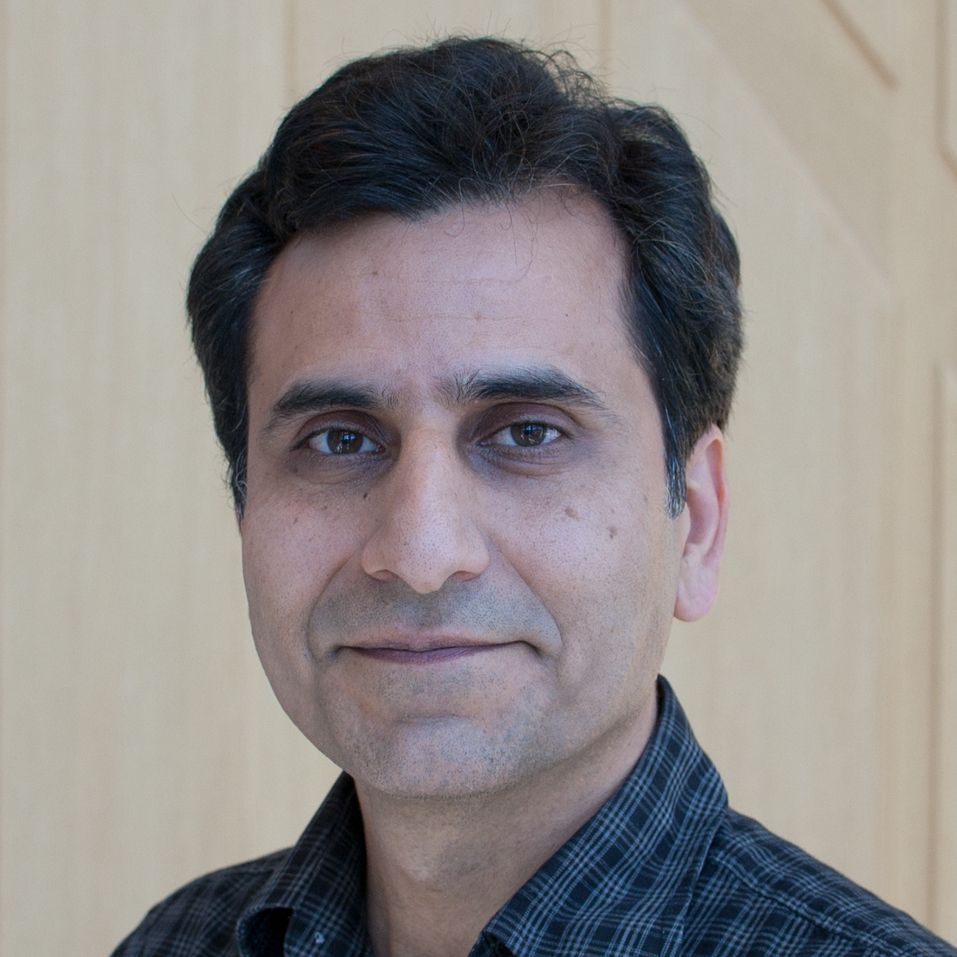
Kayvan Najarian, PhD
Professor of Computational Medicine and Bioinformatics, Emergency Medicine, and Electrical Engineering and Computer Science; MIDAS Associate Director; Director, Center for Data-Driven Drug Development and Treatment Assessment (DATA)
Bio and Research
Dr. Kayvan Najarian is a Professor in the departments of Computational Medicine and Bioinformatics (DCMB), Emergency Medicine, and Electrical Engineering and Computer Science at the University of Michigan. He is the Director of the Biomedical and Clinical Informatics Laboratory and is an Associate Director for the Weil Institute for Critical Care Research and Innovation. Dr. Najarian is also an Associate Director for the Michigan Institute for Data & AI in Society (MIDAS), serving as the point person for data science collaboration in Biological Sciences and Health Sciences.
Dr. Najarian received his Ph.D. in Electrical and Computer Engineering from University of British Columbia, Canada, M.Sc in Biomedical Engineering from Amirkabir University, Iran, and B.Sc. in Electrical Engineering from Sharif University, Iran. The focus of Dr. Kayvan Najarian’s research is on the design of signal/image processing and machine learning methods to create computer-assisted clinical decision support systems that improve patient care and reduce the costs of healthcare.
Other Instructors
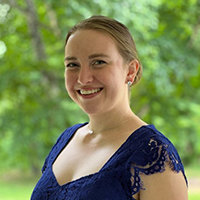
Emily Wittrup
Research Manager, Biomedical & Clinical Informatics Lab
Nambi Nallasamy
Assistant Professor of Ophthalmology and Visual Sciences and Assistant Professor of Computational Medicine and Bioinformatics, Medical School

Frank Hu
Data Scientist, MIDAS
Michael Mathis
Associate Professor of Anesthesiology and Program Director, Medical School
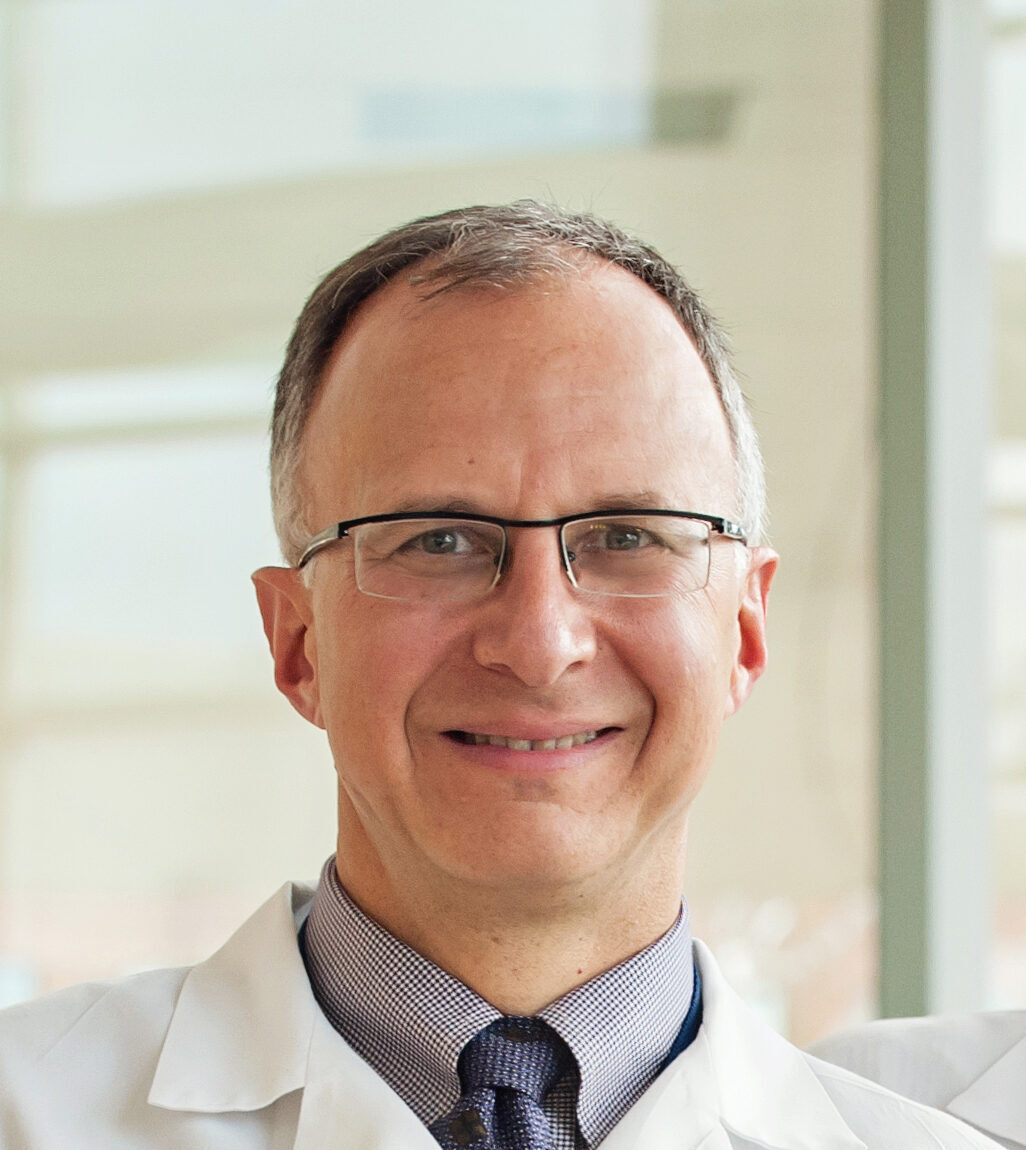
Keith Aaronson
Bertram Pitt M.D. Collegiate Professor of Cardiovascular Medicine
ACCME Accreditation Designation
This activity has been planned and implemented in accordance with the accreditation requirements and policies of the Accreditation Council for Continuing Medical Education (ACCME) through the joint providership of the University of Michigan Medical School and the Michigan Institute for Data & AI in Society. The University of Michigan Medical School is accredited by the ACCME to provide continuing medical education for physicians.
Credit Designation
The University of Michigan Medical School designates this live activity for a maximum of 31.5 AMA PRA Category 1 Credit(s)™. Physicians should claim only the credit commensurate with the extent of their participation in the activity.
Questions?
Contact Faculty Training Program Manager, Kelly Psilidis at [email protected]