Keynote Speakers
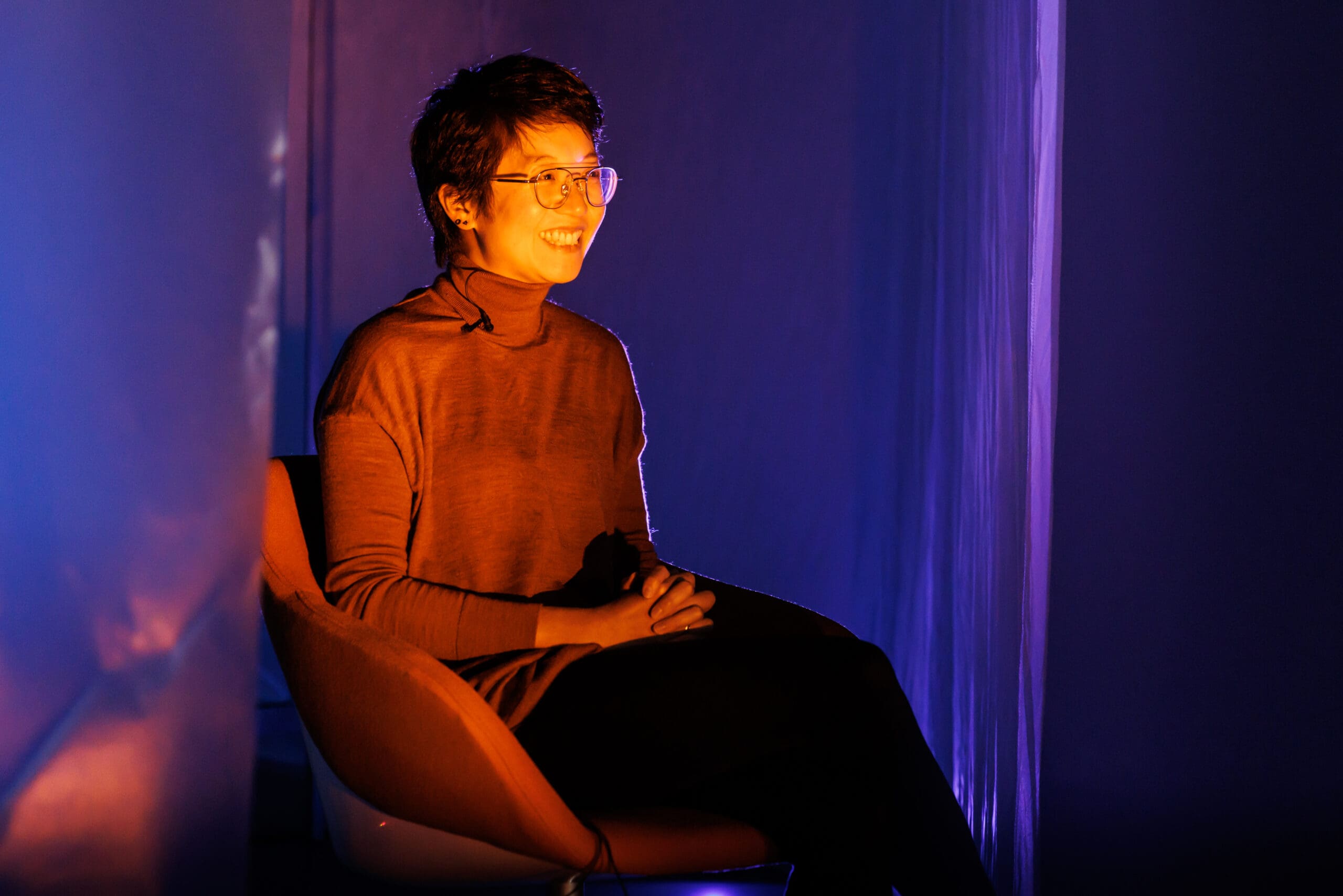
Annie Hsieh
Associate Professor of Music Theory, Carnegie Mellon University and Composer
An award-winning composer who is leading a recently awarded Schmidt HAVI grant and explores the boundaries of creative AI practice.
Read more about the speaker
ANNIE HUI-HSIN HSIEH is a Taiwanese-Australian composer working in acoustic and electroacoustic mediums. Her work focuses on creating visceral physical experiences and articulates sonic expressions in terms of spatial gestures and relational sociality.
Hsieh’s music has been presented internationally at events such as MATA Festival, OzAsia Festival, Mise-en Festival, Adelaide Festival, Tectonics Festival, International Society of Contemporary Music (ISCM) World Music Days, MaerzMusik, Asian Composers’ League (ACL) Conference, SEAMUS, MOXonic, New York City Electroacoustic Music Festival, Seoul International Computer Music Festival, Paysages|Composés (France), Eavesdropping Symposium (UK), Sonic Matters Festival (Switzerland), Pittsburgh Festival of New Music, Huddersfield Festival of Contemporary Music, and Bendigo International Festival of Exploratory Music.
Some recent commissions include Melbourne Symphony Orchestra, Adelaide Symphony Orchestra, Sydney Symphony Orchestra, Lucerne Festival, Coriole Festival, Wien Modern, Hypercube Ensemble, ELISION Ensemble, and Foundation Royaumont, among others. Her works have also been performed by ensembles including the BBC Scottish Symphony Orchestra, Canberra Symphony Orchestra, Jack Quartet (USA), Rubriks Collective (Australia), The Sound Collector’s Lab (Australia), The Monash Sinfonia (Australia), Thin Edge New Music Collective (Canada), Ensemble Dal Niente (USA), and Lucerne Festival Contemporary Orchestra (Switzerland).
She has been a recipient of several awards and honors such as the 2017 APRA (Australian Performance Rights Association) Art Music Fund, the Monash University International Women’s Day Composition Commission, the Belegura Composer Award as part of the Melbourne Prize 2022, the 2023 the Monash Performance Art Centre David Li Sound Gallery Commission. She has been supported by grants from New Music USA, the Tomayko Foundation, Australian Cultural Fund, Creative Australia grants, the National Cultural and Arts Foundation (Taiwan), and is a recent recipient of the Schmidt Sciences AI and Humanities Virtual Institute grant (HAVI).
Hsieh completed her bachelor’s and master’s degrees at the University of Melbourne (Australia) and her doctorate at the University of California, San Diego. She is currently an Associate Professor of Electronic Music and Composition at Carnegie Mellon University in Pittsburgh, USA.
Finding the Human Connection in the Orchestration of Senses
Abstract
As a composer working across electronic, acoustic, live, and installation mediums, I have come to view my practice as an orchestrator of senses. Biologically, our bodies inform us how we interact with our immediate surroundings — as ways to stay alive and to understand the world around us.
This embodied knowledge can be both innate and learned, and it constructs a model in our minds that helps us make sense of ourselves and our situatedness in the environment we inhabit.
This is identity-forming and experientially-based, and as a composer, I am inspired by sound’s capacity to communicate to our deepest sensations and memories; and in combining with the other performance attributes (the performers, audiences, the venue, other visual elements), how the unfolding of events across time can tap into our personal histories to find connections with one another, through the language of sensorial aptitude.
Examining some of my own work through the lens of embodied cognition and experimental practices, this talk aims to be a meditation on what makes us human and how music affords us the opportunity to explore the landscape of human experience and emotions. By doing so, setting a provocation to challenge how current AI musical tools can become better partners to our deeper creative desires.
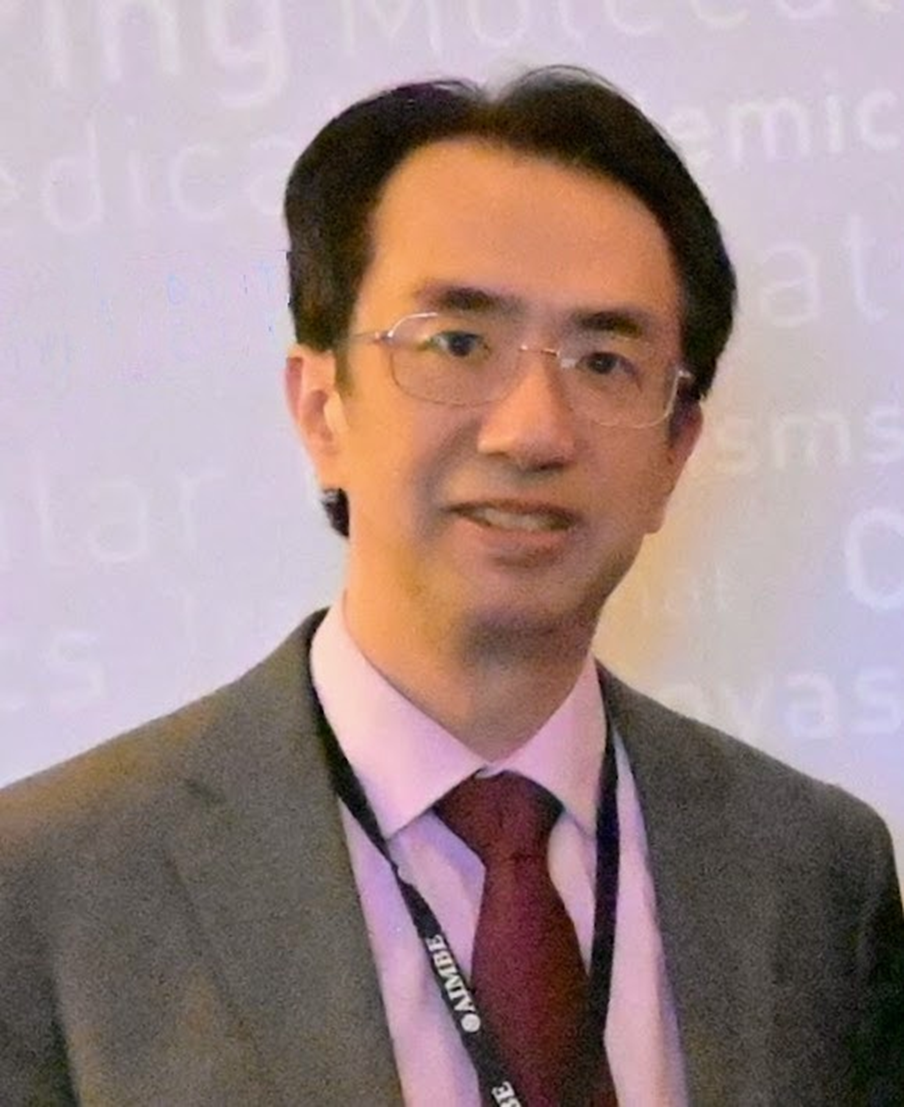
Jun Li
Founding Chair of the Department of Molecular Genetics and Genome Sciences, University of Oklahoma Health Science Center
A prominent computational biologist who will examine the impact of AI on scientific culture, knowledge creation and empirical discovery.
Read more about the speaker
Dr. Jun Li is Professor and Founding Chair of the newly established Department of Molecular Genetics and Genome Sciences in the College of Medicine (COM) at the University of Oklahoma Health Campus (OUHC). Before joining OU in April 2025, he was a Professor of Human Genetics and Professor and Associate Chair for Research of Computational Medicine & Bioinformatics at the University of Michigan Medical School, where he worked for nearly 18 years.
He was also a MIDAS-affiliated faculty and co-led the MIDAS-supported Michigan Center for Single-Cell Genomic Data Analytics. Dr. Li’s background includes physics (BSc, Peking University), and biophysics/electrophysiology (PhD, Caltech), and genetics/genomics (postdoc, Stanford). As a computational biologist Dr. Li has led many studies to extract knowledge from genetic, genomic, and phenotype data generated from disease cohorts, patient families, or relevant model systems. His group has built expertise in statistical inference (pattern recognition, classification) and bioinformatics.
In recent years his team has developed strong collaborations to study rat models of metabolic health, genetics and epigenetic of drug abuse, multi-omic analyses of human response to exercise, and cell and developmental biology of the reproductive system. He was experienced at leading research initiatives in Michigan Medicine, and has been elected as an AAAS Fellow and AIMBE Fellow.
He is currently leading the faculty recruitment and program-building efforts at OUHC.
Scientific Culture in the Age of Generative Intelligence
Abstract
C. P. Snow described a deep divide between two intellectual cultures. Karl Popper emphasized falsifiability as science’s safeguard against myth. The emergence of generative artificial intelligence (GenAI) brings us to a new destabilizing moment. Large language models, trained solely on symbolic co-occurrence patterns, can absorb vast text and image corpora and generate coherent cultural discourse without direct grounding in material reality. Their success led to a cognitive shock of essentialist assumptions about meaning, and invites a connectivist view of scientific knowledge.
Within science, tensions have long existed between mechanism-focused hypothesis testing and hypothesis generation from large-scale data mining. GenAI systems dramatically accelerate the latter, producing coherent narratives and seemingly well-reasoned predictions at a scale that saturates the hypothesis space faster than actual experiments can keep pace. Niels Bohr observed that physics is not about how nature works but concerns what we can say about Nature. As such, GenAI expands what can be said. The question is how we commit to a scientific culture that continues direct interrogations of Nature rather than drifting toward simulated self-interrogations.
Further, models trained across text-image domains reveal human knowledge as both fragmented and deeply networked. There is increasing hope that foundation models in science may detect structural parallels across disciplinary traditions and between scales, facilitating their integration, or surfacing friction points that mark opportunities for theoretical growth. Yet current AI tools lack investigative drive, resource awareness, or risk–reward judgment. The bottleneck is not intelligence but sustained, disciplined research intention.
This talk examines how generative intelligence compels a rethinking of scientific culture: how we balance reduction and realism, manage hypothesis saturation, reward the creation of scale-bridging datasets, and design AI-augmented inquiry that strengthens rather than substitutes empirical engagement with Nature. Future progress in science depends not only on expanding what can be said, but on preserving the principled confrontation with what resists to be said.
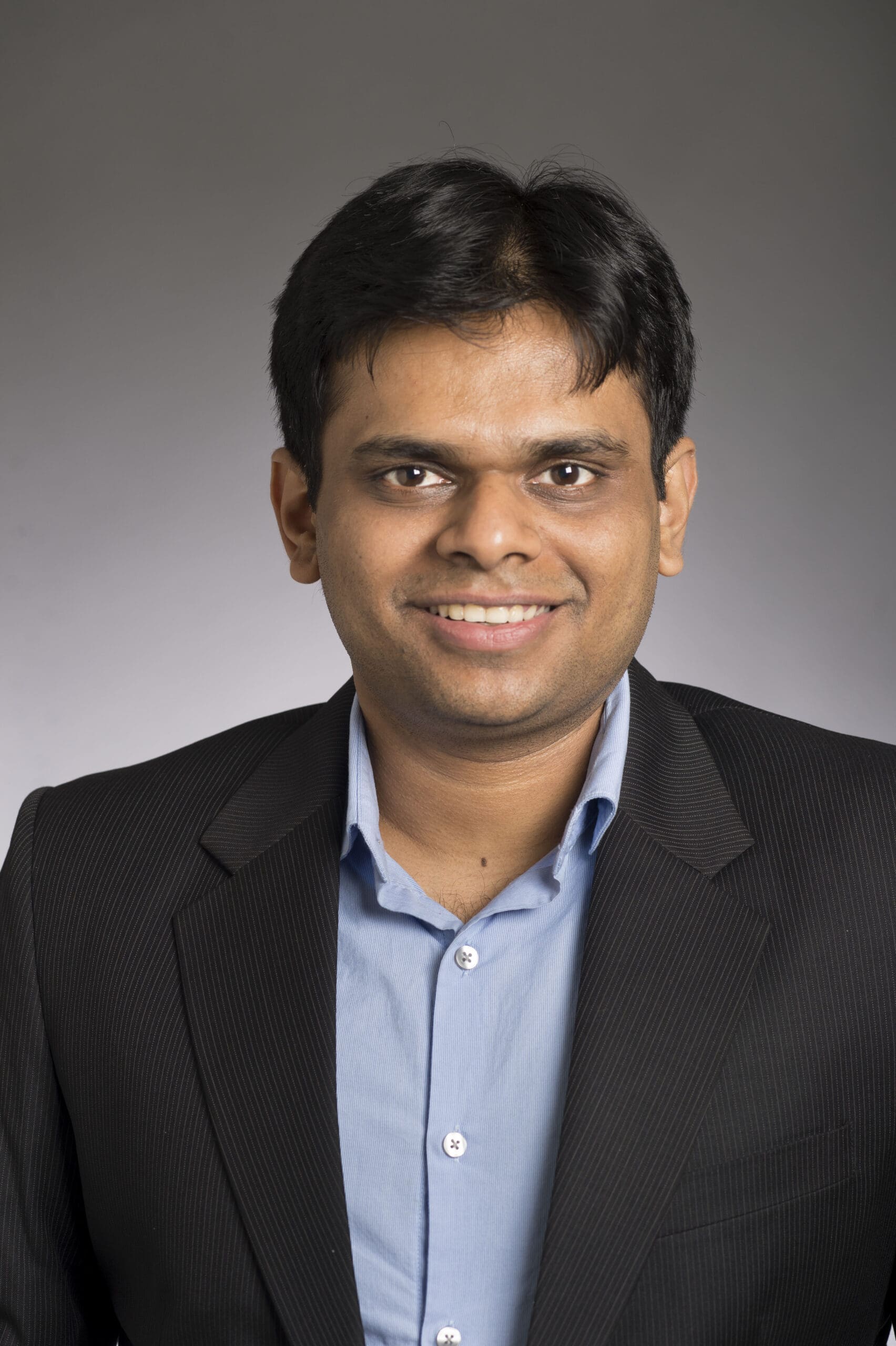
Venkat Viswanathan
Associate Professor of Aerospace Engineering, College of Engineering, University of Michigan
An energy researcher who is building scientific foundation models to accelerate energy efficiency and materials discovery.
Read more about the speaker
Venkat Viswanathan is an Associate Professor of Aerospace Engineering at the University of Michigan and serial entrepreneur, having co-founded Aionics Inc (AI-driven materials design), Chement (zero-carbon cement process) and And Battery Aero (aviation batteries).
He is recipient of MIT Technology Review Innovators Under 35 and Alfred P. Sloan Fellowship, a rare combination, with the former award for entrepreneurial excellence and latter being for academic and theoretical excellence.
He has graduated 23 PhD students and 10 postdoctoral scholars, 6 of whom have been founders. His academic research record is stellar with a h-index of 66, and total citations of over 18,000, and is named inventor on over 50 patent applications.
Foundation Models for Discovery and Exploration in Chemical Space
Abstract
Scientific foundation models trained on large unlabeled datasets offer a path toward exploring chemical space across diverse application domains.
Here we develop MIST, a family of molecular foundation models with up to an order of magnitude more parameters and data than prior works. Trained using a novel tokenization scheme that comprehensively captures nuclear, electronic, and geometric information, MIST learns from a diverse range of molecules.
MIST models have been fine-tuned to predict more than 400 structure — property relationships and match or exceed state-of-the-art performance across benchmarks spanning physiology, electrochemistry, and quantum chemistry.
We demonstrate the ability of these models to solve real-world problems across chemical space, including multiobjective electrolyte solvent screening, olfactory perception mapping, isotope half-life prediction, stereochemical reasoning for chiral organometallic compounds, and binary and multi-component mixture property prediction.
Panelist
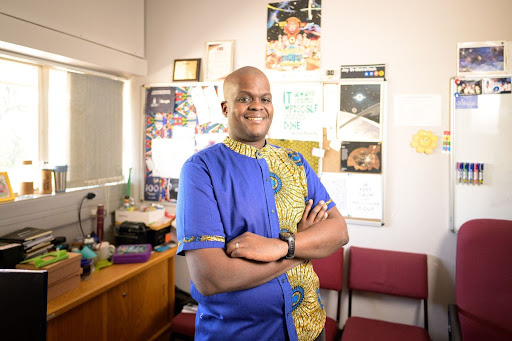
Vukosi Marivate
Chair of Data Science, Professor of Computer Science, University of Pretoria
An internationally recognized researcher advancing natural language processing for low-resource languages and leading efforts to build socially impactful AI across Africa.
Read more about the speaker
Prof Vukosi Marivate is a Professor of Computer Science, holds the ABSA UP Chair of Data Science, and is Director of the African Institute of Data Science and AI (AfriDSAI) at the University of Pretoria.
He specialises in developing Machine Learning (ML) and Artificial Intelligence (AI) methods to extract insights from data, with a particular focus on the intersection of ML/AI and Natural Language Processing (NLP).
His research is dedicated to improving the methods, tools and availability of data for local or low-resource languages. As the leader of the Data Science for Social Impact research group in the Computer Science department, Vukosi is interested in using data science to solve social challenges.
He has worked on projects related to science, energy, public safety, and utilities, among others. Prof Marivate is a co-founder of Lelapa AI, an African startup focused on AI for Africans by Africans. Vukosi is a co-founder of the Masakhane Research Foundation, which aims to develop NLP technologies for African languages.
Vukosi is also a co-founder of the Deep Learning Indaba, the leading grassroots Machine Learning and Artificial Intelligence conference on the African continent that aims to empower and support African researchers and practitioners in the field.
Vukosi is a member of the Independent Scientific Panel for AI for the UN and a member of the African AI Council at Smart Africa.
AI Journey Speakers
Congratulations to all AI Journey speakers for being AIIM Award winners!
Session 1

Todd Hollon
Joseph R Novello M.D. and Alfredo Quinones-Hinojosa M.D. Research Professor of Neurosurgery
Intelligent Histology: Real-Time AI for Intraoperative Brain Tumor Diagnosis and Margin Assessment
AI Summary
Brain tumor surgery often proceeds without a definitive intraoperative diagnosis because standard pathology takes 30-60 minutes and requires an expert neuropathologist. Our project addresses this challenge by introducing Intelligent Histology: a real-time digital pathology workflow powered by deep learning and stimulated Raman histology (SRH), a rapid, label-free microscopy technique.
Mathias Wilms
Assistant Professor of Radiology, Medical School
Beyond the Black Box: Generative AI and Synthetic Data for Trustworthy Medical Image Analysis
AI Summary
Generative AI models such as ChatGPT and other AI tools are transforming our lives, and their potential to revolutionize medical image analysis is immense. However, a critical barrier often prevents real clinical deployment of these systems: a lack of trustworthiness. To enable trust, clinicians and patients must understand why AI systems make predictions, and we must ensure that models generalize across the whole population without reinforcing existing healthcare disparities. Most available AI models act as opaque black boxes or suffer from algorithmic bias against subgroups underrepresented in their training data. While these issues are widely
recognized, they remain largely unsolved.

Banjamin David
Assistant Research Scientist, Biomedical Engineering, College of Engineering
BacterAI: Self-driving microbiology labs at scale
AI Summary
Our interdisciplinary team at UM has built the world’s largest autonomous microbiology lab. BacterAI, our “robot scientist”, uses 22 individual robots to run tens of thousands of experiments each day, producing datasets that reveal how diverse microbes respond to their environment. BacterAI has been a sustained research effort of 5-6 full-time technicians, engineers, scientists, and programmers over seven years. BacterAI has completed over 1.5 million experiments at UM to decipher the metabolic pathways of multiple bacterial species.

Ali Namvar
Research Fellow, Radiology, Medical School
Real-time AI-based Health Monitoring of ICU Patients Using STREAM
AI Summary
ICU monitoring faces a persistent gap between data volume and clinical insight. Patients generate continuous laboratory results and vital signs, yet current tools typically reduce this complexity to threshold-based alerts or daily severity scores. Neither approach captures disease trajectory, explains why patients deteriorate, or identifies which clinical factors drive change over time. STREAM (State Trajectory Representation and Evolution Aware Monitoring) addresses this gap by modeling patient physiology as movement through a learned physiological space derived from routinely collected clinical data. Using optimal transport (1), STREAM learns population-level physiological patterns in the ICU and tracks how individual patients move through these patterns over time. It then measures how far each patient’s course deviates from typical trajectories and provides patient-specific explanations that link risk estimates to individual clinical measurements. STREAM can alert clinicians when a patient’s pattern starts to change before standard alarms go off, supporting earlier bedside review and intervention. Using these trajectory summaries in routine monitoring may help reduce complications and make treatment decisions quicker and more consistent. The overarching goal is interpretable, trajectory-aware monitoring that supports bedside clinical reasoning.
Session 2

Paige Bowling
Schmidt AI in Science Fellow, 2025 Cohort
Accelerating Drug Discovery Through AI-Driven Molecular Simulation
AI Summary
The search for novel therapeutics faces a combinatorial challenge of astronomical proportions: the space of synthetically plausible small molecules vastly exceeds what can be tested experimentally. A central goal in computational biophysics is to prioritize which chemical modifications are most likely to improve binding or other properties before committing to costly synthesis and assays. This project advances that goal by integrating AI into physics-based molecular simulation to make high-fidelity free-energy screening practical across large, multi-site chemical libraries.
Bryan Goldsmith
Associate Professor and Associate Chair of Chemical Engineering Department of Chemical Engineering, College of Engineering
Interpretable and Decision-Making Artificial Intelligence for Catalyst and Materials Discovery
AI Summary
This presentation is a sustained collaboration on the development of interpretable, decision-making artificial intelligence methods for materials and catalysis research. Since 2018, our joint work has focused on embedding AI directly into the scientific workflow to support discovery, mechanistic understanding, and experimental validation of catalysts and materials for energy and chemical conversion applications.

Rabab Haider
Assistant Professor of Civil and Environmental Engineering, College of Engineering
AI-Driven optimization for decision-relevant power grid operations
AI Summary
My research focuses on a crucial infrastructure challenge: How can we ensure that green, reliable, and affordable electricity is available to everyone as we transition to more sustainable energy systems? Modern energy systems face profound disruptions—including accelerated load growth, particularly from data centers, increasing penetration of renewables, and evolving electricity market dynamics. These changes create new technical and operational challenges, most notably the need for robust and trustworthy decision-making that scales across complex networks with tens of thousands of nodes. My research group uses AI as a foundational tool to alleviate critical computational bottlenecks in decision-making for grid optimization and control.

Vijay Giri
Graduate Student Research Assistant, Mechanical Engineering, U-M Dearborn
AgriTwin: An Attention-Based Multimodal Deep Learning Framework for Simultaneous Yield and Price Forecasting in U.S. Specialty Crops
AI Summary
AgriTwin is a real-time, short-horizon forecasting framework designed to address critical operational challenges in U.S. specialty crop production. Specialty crops, including asparagus, strawberries, and leafy greens, generate over $64 billion in annual farm receipts yet operate under compressed biological cycles and volatile market conditions. Growers face daily operational decisions, such as labor allocation, harvest timing, and logistics, where delays or errors can result in substantial pre-retail losses, often exceeding 30–40% of production. Traditional forecasting tools are primarily designed for row crops with stable seasonal patterns and rely on weekly surveys or statistical models such as SARIMA, which fail to capture the nonlinear and high-frequency dynamics of crop growth and market fluctuations for specialty crops.
The AgriTwin project aims to leverage AI to provide accurate, multi-horizon forecasts for both yield and market price of specialty crops. It empowers growers to transition from reactive to proactive management, reducing waste, optimizing labor, and strategically timing market entry by integrating real-time public datasets and multimodal AI architectures. The project sits at the intersection of AI, agricultural decision support system (DSS), and operational research, with a clear societal and economic impact.
Session 3

David Sears
Associate Professor, Music Theory, School of Music, Theatre & Dance
Machine Listening to Music Across the Globe
AI Summary
The purpose of the Machine Listening to Music Across the Globe project is to develop and release an open-access online dashboard that allows users to access, interact with, and export music audio, metadata (e.g., artist name, song title), and musicological features (e.g., instrumentation, voice type, key/mode) for millions of songs streaming on internet radio stations across the globe. In doing so, this project aims to dramatically expand the scholarly reach of the music research community by enabling researchers to develop AI machine-listening algorithms for music datasets that place diversity center stage.
Jingyi Qiu
Ph.D. student, School of Information
A Counterfactual AI Framework to Quantify Rhetorical Style and Its Impact in Scientific Communication
AI Summary
Scientific communication shapes what gets read, cited, and built upon. With the rapid diffusion of large language models (LLMs) into everyday writing workflows, the research community is increasingly concerned that rhetorical “inflation” (stronger claims and more visionary framing) may be rising. Yet we lack a principled way to measure rhetoric separately from underlying research quality. This project develops a counterfactual measurement framework for rhetorical style in scientific abstracts. The core idea is to disentangle how strongly a paper is framed from what evidence the paper actually provides, enabling reliable measurement of rhetorical framing, longitudinal tracking of trends, and evaluation of downstream consequences for attention and impact.

Hao-Wen (Herman) Dong
Assistant Professor of Music; Affiliate Faculty, Computer Science and Engineering; Affiliate Faculty, Electrical and Computer Engineering
AI-powered Dataset Curation, Processing, and Rehearsal Interfaces for A Cappella
AI Summary
A cappella is a rapidly growing form of collegiate music-making that involves thousands of student performers each year and is characterized by small, peer-led vocal ensembles without conductors. Unlike traditional choral settings, collegiate a cappella groups are typically self-organized, with students rotating through roles such as soloist, arranger, and music director.
This structure creates rich opportunities for collaborative learning, but also places significant
demands on novice singers to practice independently without professional guidance. While the recent advancement of AI has been transforming the music industry, little progress of AI technology innovations have been made for a cappella despite its popularity and importance. This is partly due to the lack of AI infrastructure, including datasets and foundational models.
To alleviate this, this ongoing project develops (1) ACappellaSet, a multilingual multitrack a cappella dataset for robust source separation, and (2) AcaMate, an AI-assisted rehearsal tool that supports novice acappella singers’ sensemaking of musical information and asynchronous practice. Situated at the intersection of audio ML and human-centered AI, AI is foundational to our work: it enables dataset-driven benchmarking, model adaptation for dense same-source separation, and the human-AI interactive workflow in asynchronous rehearsals.
Through dataset curation, foundational model building, and human-AI interface design, we aim
to establish the AI infrastructure for broader AI music research, such as source separation, remote collaboration, and AI-powered music education.

Peter Riley Bahr
Vice President and Managing Research Director, Strada Institute for the Future of Work
Seeing Before Sorting: How Machine Learning Revealed a Hidden Crisis in Educational Classification
AI Summary
California’s community college system—the largest in the nation, serving 1.8 million students—uses student typologies to design support services, track outcomes, and allocate workforce development funding. These classification frameworks, which sort students into distinct types based on behavioral patterns, have been constructed almost exclusively through k-means clustering, an unsupervised machine learning algorithm, for over two decades. Yet k-means produces valid results only when data form compact, well-separated, spherical clusters of comparable size. If these conditions are not met, the algorithm does not fail gracefully—it mechanically partitions data regardless, generating clusters that appear interpretable but may not reflect genuine groupings. Whether student data actually satisfy these conditions had never been tested. This research program asks: Can we trust AI-generated student classifications that inform educational policy? And when the answer is no, what can more advanced AI do about it?
Session 4

Farnaz Jahanbakhsh
Assistant Professor, EECS – Computer Science and Engineering
Beyond Binary Moderation: Transforming Online Safety through Generative AI
AI Summary
Experiences of harm online are subjective, shaped by who you are and what you have lived through. A pregnancy announcement joyful for most is devastating for someone navigating loss. No single platform policy can draw a boundary that captures this diversity. Because harm is subjective, the response to it needs to be personalized. And because harmful and valuable elements often coexist within the same content, we need approaches that preserve social and informational value while attenuating the harm. This research proposes personalized content transformation: using Generative AI to selectively modify elements that a specific user finds distressing in real-time, while preserving the surrounding social context, meaning, and informational value of the content for that user.
William Nathan Weaver
Schmidt AI in Science Fellow
AI-Driven Transcription of Herbarium Specimens: Scalable Workflows for Biodiversity Data Mobilization
AI Summary
The University of Michigan Herbarium, a natural history collection of over 1.7 million pressed and dried plants and fungi, preserves centuries of biological observation, yet much of its scientific value remains inaccessible because critical information is embedded in handwritten or printed specimen labels. These labels document locality, date collected, taxonomy, collectors, and ecological context, all of which are essential for research in biological diversity, climate change, species distributions, and evolutionary biology. Converting this information into machine-readable form remains a major bottleneck: traditional transcription workflows are labor intensive, and require personnel to manually enter label contents into spreadsheets or database forms, specimen by specimen.
VoucherVision was developed to address this constraint by introducing an artificial intelligence-enabled transcription workflow that converts specimen images into structured data suitable for curatorial review and database ingestion. A significant portion of this development was conducted as part of an NSF funded digitization project entitled Bringing Asia to digital life: mobilizing underrepresented Asian herbarium collections in the US to propel biodiversity discovery (PI Ruhfel, DBI-2101868). Now operational in production settings, VoucherVision is greatly enhancing the efficiency and scalability of specimen data management in multiple natural history collections far beyond the University of Michigan.

Hong Chen
PhD Student, School of Information
The Noisy Path from Source to Citation: Measuring How Scholars Engage with Past Research
AI Summary
Scholarly citations are the backbone of science: they signal intellectual debt and help trace knowledge flows. Yet the widespread reliance on raw citation counts assumes that every citation faithfully represents the cited research.
Decades of scholarship suggest this assumption is flawed—citations are often paraphrased, summarized or misinterpreted, which can lead to misinformed narratives and policy decisions. A striking example is the opioid epidemic, where a 1980 letter about opioid use in hospital patients was cited uncritically and eventually misused to justify widespread opioid prescriptions. Misrepresentation and selective citation distort scientific knowledge and undermine public trust.
My team’s project addresses this problem by systematically measuring citation fidelity—the degree to which a citation accurately conveys the original findings. Using large‐scale natural language processing (NLP) and machine‐learning, we built a computational pipeline that extracts citing sentences, identifies corresponding claims in cited papers, and measures how accurately the citation reflects the original claim.
Our aim is to bring nuance to scientometric analysis, reveal factors that shape citation fidelity and provide tools to improve research assessment and scholarly practices.
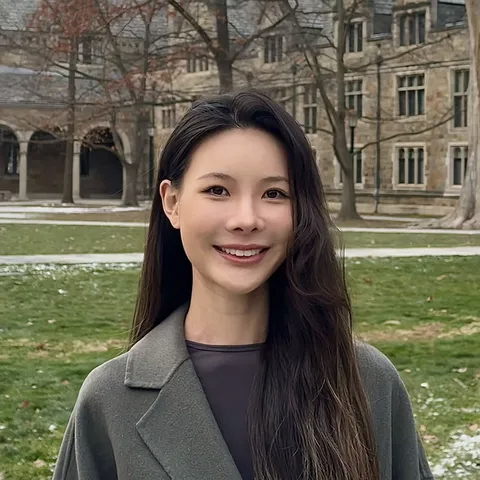
Zia Qi
Research Technology Specialist, School of Social Work
Small, Local, Agentic: An AI Journey in Child Welfare Research
AI Summary
Michigan’s child welfare system has generated over 1.3 million unique investigation summaries since 2009, containing critical information about family circumstances, risk factors, and service needs. These narrative records hold immense research value for understanding patterns in child maltreatment, substance abuse, domestic violence, and other factors affecting vulnerable families. However, this wealth of unstructured text data has remained largely inaccessible to systematic analysis due to two fundamental barriers: the prohibitive cost of manual coding (estimated at 60,000 person-hours for comprehensive review) and strict regulatory requirements—including HIPAA, FERPA, and 42 CFR Part 2—that preclude sharing confidential records with commercial cloud-based AI systems.
This project developed a systematic benchmarking framework for evaluating whether locally deployable small language models can accurately identify constructs of interest in child welfare records while maintaining complete data security and regulatory compliance. The work addresses the “last mile problem” in AI deployment: general-purpose benchmarks assess capabilities irrelevant to social work documentation, while the specialized terminology of child welfare practice requires contextually grounded evaluation.
Questions? Contact Us.
Message the MIDAS team: [email protected]