Keynote Speakers

Andrew Connolly
William P. and Ruth Gerberding University Professor, Director of the eScience Institute and the Associate Vice Provost for Data Science at University of Washington
A lead scientist for the Vera Rubin Observatory, developing analytical tools for scientific discoveries from massive data
About the Speaker
Andrew Connolly focuses on using large surveys to study cosmology and the evolution of galaxies.
This ranges from studying the clustering of galaxies and their evolution with redshift, weak gravitational lensing of galaxies, and estimating the properties of galaxies based on their colors (aka photometric redshifts).
The common theme to this work is addressing the need for massive data sets and how to work with them.
One area that interests me a lot at the moment is the Large Synoptic Survey Telescope (LSST), where I lead the development of simulations of what LSST might observe.
Beyond cosmology, I am also interested in how to make the technologies that companies use to search the internet useful in research and education. As part of this, a couple of years ago I was on sabbatical at Google where I created “Google Sky.”
Unravelling the Universe in the Era of AI
Abstract
A new generation of astronomical experiments, with unprecedented sensitivity, field of view, and spectral and temporal coverage, are poised to transform our view of the universe and our place within it. Was Einstein right about gravity, when were the first stars formed, what processes sculpted the planetary configurations of ours and other solar systems are all questions we hope to address in the coming decade. The scale and complexity of the data that these experiments will generate means that the path from raw data to scientific discovery increasingly depends on artificial intelligence. Machine learning algorithms have become essential tools for identifying rare transient events, classifying billions of galaxies, detecting subtle patterns in spectroscopic data, and extracting signal from noise in ways that traditional methods cannot match. The data deluge from next-generation experiments will, however, require more than incremental improvements to existing AI approaches. We need fundamental advances in how AI systems handle uncertainty, incorporate physical constraints, operate with limited labeled data, and scale to truly massive datasets while remaining interpretable to scientists. The current discourse around AI is often dominated by hype, commercial applications, and concerns about artificial general intelligence. Yet some of the most profound applications of AI lie not in replacing human intelligence, but in augmenting our ability to understand nature itself. This talk will explore how we can move beyond the noise surrounding AI to focus on what matters: building intelligent systems that help us ask better questions about the universe and uncover the physical laws that shape everything we observe. In doing so, we have the opportunity not just to advance astronomy, but to demonstrate how AI, when grounded in scientific rigor and curiosity, can be a transformative tool for scientific understanding.

Ashley Llorens
Corporate Vice President & Managing Director, Microsoft Research
An industry leader, shaping Microsoft research to enable AI’s global impact on science and society
About the Speaker
Dr. Ashley Llorens is a leader in artificial intelligence research and innovation, currently serving as Corporate Vice President and Managing Director at Microsoft Research (MSR).
He drives global strategy and culture across MSR’s research laboratories worldwide and leads the MSR Accelerator organization, delivering projects and programs that accelerate emerging technologies into high-value applications for Microsoft and society.
Dr. Llorens holds B.S. and M.S. degrees in Electrical and Computer Engineering from the University of Illinois at Urbana-Champaign and a Doctor of Engineering degree from Johns Hopkins University.
Prior to joining Microsoft in 2021, Llorens was the founding director of the Intelligent Systems Center for machine learning, robotics, and neuroscience at the Johns Hopkins Applied Physics Laboratory.
Joining Microsoft as a Distinguished Scientist, his own work has advanced AI and machine learning for autonomous systems across domains including defense, health, and space exploration.
Llorens has served as an AI expert on numerous advisory boards for the U.S. government, most recently serving as an inaugural member of the National AI Advisory Committee, advising the President and the White House on the advancement of AI.
Llorens has pursued a parallel career as a hip-hop artist and currently serves as a voting member of the Recording Academy, the institution that organizes the Grammys.
He contributes as a technology consultant for movies (Disney, Netflix, etc.) to enhance the representation of science and technology in film in partnership with the National Academy of Sciences.
Research Frontiers in the AI Era
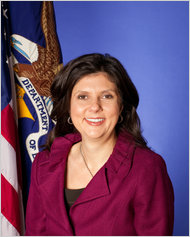
Betsey Stevenson
Professor of Public Policy, Gerald R Ford School of Public Policy and Professor of Economics, College of Literature, Science, and the Arts, University of Michigan
Former U.S. Labor Department Chief Economist, envisioning AI’s impact on the future of work
About the Speaker
Betsey Stevenson is a professor of public policy and economics at the University of Michigan.
She is a faculty research associate at the National Bureau of Economic Research, a research fellow of the Centre for Economic Policy Research, a fellow of the Ifo Institute for Economic Research in Munich, and an elected member of the National Academy of Social Insurance.
She served as a member of the Council of Economic Advisers from 2013 to 2015 where she advised President Obama on social policy, labor market, and trade issues.
She served as the Chief Economist of the U.S. Department of Labor from 2010 to 2011, and more recently, she served on the Biden-Harris Transition team, assisting with the agency review and policy development for the U.S. Treasury.
Dr Stevenson has published widely in leading economics journals about the labor market and the impact of public policies on outcomes, both in the labor market and for families.
Her research explores women’s labor market experiences, the economic forces shaping the modern family, and how these labor market experiences and economic forces on the family influence each other.
She is the co-host of the podcast Think Like an Economist and is the coauthor of a Principles of Economics textbook. Her analysis of economic data and the economy are frequently covered in both print and television media.
Dr Stevenson earned a B.A. in economics and mathematics from Wellesley College and an M.A. and Ph.D. in economics from Harvard University.
From Productivity to Purpose: Human Flourishing in the Age of Artificial General Intelligence
Abstract
As artificial general intelligence promises productivity and prosperity beyond imagination, the real question is not whether it will make us richer, but whether it will make us happier or more fulfilled. New technologies rarely fail to increase output—but they often fail to deliver meaning, dignity, and fairness unless societies deliberately adapt. Historically rises in income have also led to rising happiness and well-being but they have often involved painful periods of transition during which the gains are not broadly shared. Moreover meaning and purpose in life depends far more on social connection, community, and identity than on income or even employment. The challenge of AGI is not technological. Nor is it the threat to jobs. The challenge is institutional and cultural: to ensure that abundance translates into well-being by redefining the roles, relationships, and sources of meaning that make life worth living in a world where machines can do almost everything except care, connect, and find purpose.

Bradley Malin
Accenture Professor of Biomedical Informatics, Biostatistics, and Computer Science, Vanderbilt University and Vice Chair, Research Affairs, Department of Biomedical Informatics, Vanderbilt University Medical Center
A trailblazer in health data, developing trustworthy AI for data privacy, sharing, management and infrastructure
About the Speaker
Bradley Malin, Ph.D., is the Accenture Professor of Biomedical Informatics, Biostatistics, and Computer Science at Vanderbilt University, as well as Vice Chair for Research Affairs in the Department of Biomedical Informatics at Vanderbilt University Medical Center, where he co-directs the AI Discovery & Vigilance to Accelerate Innovation & Clinical Excellence (ADVANCE) Center.
His research is in the development of computational methods and infrastructure to enable broad data sharing and development of machine learned systems that are cognizant of organizational, ethical, and legal expectations.
He is one of the principal investigators (PIs) of two of the National Institutes of Health’s flagship AI programs, AIM-AHEAD and Bridge2AI.
He recently completed a five-year appointment on the Board of Scientific Counselors of the National Center for Health Statistics of the Centers for Disease Control and Prevention (CDC) and is currently part of the U.S. Speaker Program of the U.S. State Department.
Among various honors, he is an elected fellow of the U.S. National Academy of Medicine (NAM), the American College of Medical Informatics (ACMI), the American Institute for Medical and Biological Engineering (AIMBE), Institute of Electrical and Electronics Engineers (IEEE), and the International Academy for Health Sciences Informatics (IAHSI).
He was also a recipient of the Presidential Early Career Award for Scientists and Engineers (PECASE) from the White House.
Building Responsible AI Technologies That Work!
Abstract
AI seems to be everywhere, but haven’t we been here before? In this presentation, I’ll review why AI is the technology du jour in an ever-widening set of application domains, with a focus on biomedical research and healthcare. I’ll provide illustrations of machine learning in support of novel biomedical discovery, as well as how blind trust in AI can lead to numerous societal dilemmas including algorithmic unfairness, loss of privacy, and unreliable predictions. At the same time, I show how these problems can be represented in an AI development and application lifecycle, so they can be spotted early and appropriately addressed through a combination of computational- and policy-based mechanisms.

Kyle Cranmer
Director, UW-Madison Data Science Institute and Professor of Physics, Statistics, and Computer Science
A lead contributor to the discovery of the Higgs Boson, advancing physics, AI, open science and science communication
About the Speaker
Kyle Cranmer is the David R. Anderson Director of the Data Science Institute and a Professor of Physics with courtesy appointments in Statistics and Computer Science at the University of Wisconsin – Madison.
He obtained his BA in Mathematics and Physics from Rice University and PhD in Physics from the University of Wisconsin-Madison in 2005. Cranmer was a Professor of Physics and Data Science at NYU from 2007–2022, during which time he developed a framework that enables collaborative statistical modeling, which was used extensively for the discovery of the Higgs boson in 2012.
He was awarded the Presidential Early Career Award for Science and Engineering in 2007, the National Science Foundation’s Career Award in 2009, the Breakthrough Prize in Fundamental Physics in 2025, and became a Fellow of the American Physical Society in 2021 for his work at the Large Hadron Collider.
He is currently the Editor-in-Chief of the journal Machine Learning: Science and Technology and an associate editor for the Journal of Machine Learning Research, the Harvard Data Science Review, and the Royal Statistics Society’s Data Science and Artificial Intelligence.
His current interests are at the intersection of physics, statistics, and machine learning.
Emerging Patterns in AI for Science
Abstract
AI is quickly raising the ambitions of scientists; however, the capabilities that AI enables varies significantly across fields.
I will provide examples and describe some emerging patterns that hint at the diversity of ways that AI will transform scientific practice.
I will describe the transformational impact of the methods that have been recently developed and offer my thoughts what could be possible in the near future.
University Vision Panelists
Panelists
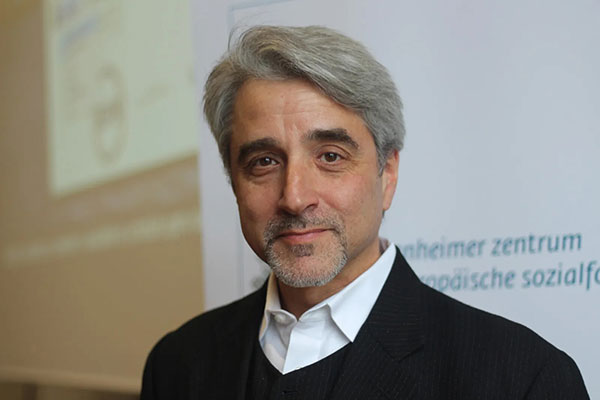
Arthur Lupia
Gerald R Ford Distinguished University Professor of Political Science, Professor of Political Science, College of Literature, Science, and the Arts, Research Professor, Center for Political Studies, Institute for Social Research and Vice President for Research and Innovation, Office of the Vice President for Research

Ravi Pendse
Vice President for Information Technology and Chief Information Officer, Special Advisor to the President for India, Office of the President and Professor of Engineering Practice in Electrical Engineering and Computer Science, College of Engineering

Karen A Thole
Robert J Vlasic Dean of Engineering, Professor Mechanical Engineering and Professor of Aerospace Engineering, College of Engineering
Moderator

Bradford Orr
Arthur F Thurnau Professor, Associate Vice President for Research – Natural Sciences and Engineering, UM Office of Research, Center Director, UMOR-MIDAS and Professor of Physics, College of Literature, Science, and the Arts
Research Vision Talks
U-M faculty members’ research visions
Session 1
Transforming perception with AI and Biosonar
Ganesh Patil, Research Fellow, Mechanical Engineering, College of Engineering
Abstract
Bats and marine mammals rely on biosonar to perceive their environments with remarkable precision, efficiency, and adaptability.
These capabilities far surpass today’s engineered sonar systems. Inspired by these natural models, our research explores how modern AI can unlock new modes of perception for machines operating in dark, noisy, or GPS-denied environments.
We present a vision for leveraging machine learning to bridge the gap between synthetic acoustic data and real-world sensing.
Specifically, we demonstrate how convolutional neural networks trained exclusively on simulated echoes, and specialized for each class, can generalize to measured signals, enabling accurate classification of 3D shapes with subtle acoustic differences.
Beyond technical performance, this approach reduces the cost and environmental burden of large-scale data collection and opens new opportunities for scalable, bio-inspired perception systems.
The broader impact extends across domains, from non-destructive evaluation in safety-critical industries, to imaging in low-visibility conditions, to navigation for autonomous vehicles and robots.
Just as importantly, this work creates natural points of collaboration across disciplines, linking biologists studying animal sonar, acousticians modeling wave scattering, and AI researchers advancing synthetic-to-real transfer.
By translating principles of biosonar into AI frameworks, we aim to spark discussion on new paradigms of perception that could shape the next generation of sensing technologies.
Enabling End-to-End Uncertainty Quantification in Astrophysics Measurements with AI Hardware & Software
Nicholas Kern, Research Fellow, Physics, College of Literature, Science, and the Arts
Abstract
The next generation of cosmological measurements will peer back into the early times of cosmic history, helping to understand the growth and structure of the universe as a whole. Radio telescopes allow us to make these measurements far back in cosmic time, and therefore hold the promise of revolutionizing the field of cosmology.
However, these radio telescopes also face systematic data contamination that may prohibit them from fully realizing their scientific potential. In particular, our current inability to perform end-to-end uncertainty quantification on these radio datasets is a major limitation.
However, the advent of new computational hardware and software, driven the demand of AI models, has opened new avenues for solving this problem. Specifically, large-memory GPUs and user-friendly autodiff libraries (used for training LLMs), have for the first time enabled fully differentiable data analysis pipelines.
This approach, known as “differentiable programming,” has in recent years taken the physical sciences by storm, allowing scientists to leverage the inductive biases of their physics-driven data models, while also harnessing the massive acceleration provided by AI hardware and software.
In this talk, I will share one poignant example in the context of radio telescopes. Specifically, I will show how this has enabled game-changing capability in end-to end uncertainty quantification, which will be vital for these new telescopes to fully realize their scientific potential.
The Paradox of Dissonant Predictions: The Central Dilemma of Physician-AI Interaction
Jayson Marwaha, Clinical Instructor in Surgery, Medical School
Abstract
In 1997, after chess grandmaster Garry Kasparov lost a match to IBM’s Deep Blue, he was inspired to study how humans and computers could optimally collaborate to play the game.
Kasparov’s studies uncovered patterns in human decision-making that are incredibly relevant to the burgeoning field of clinical AI today.
Clinical AI systems have become highly sophisticated in the diagnosis and management of complex diseases, and are well known to outperform human expert physicians in many scenarios. Yet physician clinical decision-making often does not improve when they use these powerful tools.
This paradox arises in part because physicians do not know how to effectively incorporate information that conflicts with their existing beliefs, even if it may steer them towards the right answer.
This confusion around how to confront conflicting algorithmic output – the paradox of dissonant predictions – is a central obstacle to effective physician-algorithm collaboration.
Simply providing accurate recommendations is insufficient; algorithms must effectively change physicians’ minds when they are incorrect. This requires rethinking algorithmic design, physician training, and physician-algorithm collaborative models.
Previously proposed solutions include improving algorithmic explainability, though current methods have shown limited success.
Rethinking the human-algorithm interface through structured interaction protocols may offer a more promising approach.
Additionally, medical education must be adapted to train physicians to be more receptive to algorithmic recommendations.
The boldest approach, however, involves the separation of clinical roles and decision-making tasks between human physicians and AI – allowing each to do what they do best.
This talk will cover current research being done by the authors on physician-AI interaction, from Kasparov-inspired algorithmic interaction protocols all the way through complete separation of algorithmic and physician tasks.
Session 2
Incorporating Large Language Models to Enhance P300 Brain-Computer Interfaces
Longhao Pang, Graduate Student Research Assistant, University of Michigan
Abstract
Brain–computer interfaces (BCIs) enable direct communication between the brain and computers, providing critical tools for people with disabilities to communicate with the world.
A P300 speller identifies a user’s intended character on a virtual keyboard by analyzing brain signal responses, and its performance is typically evaluated using BCI-Utility, a comprehensive metric balancing both accuracy and speed [Ma et al., 2023, Dal Seno et al., 2009].
However, P300 spellers face persistent challenges. The low signal-to-noise ratio of EEG requires repeated averaging or sophisticated preprocessing to extract reliable P300s, slowing communication [Lotte et al., 2018].
Intra-subject variability in amplitude, latency, and spatial distribution can reduce the consistency and reliability of P300 detection.
In addition, stimulus presentation often requires many repetitions per character to achieve stable classification, which reduces throughput and makes the system slower and less practical for users [Krusienski et al., 2008].
These limitations significantly restrict the speed, accuracy, and overall usability of current P300 spellers, underscoring the need for complementary approaches to enhance performance.
Recent work talked about promising integration of large language models with BCI systems [Car ́ıa, 2025, Parthasarathy et al., 2024].
Early work demonstrated that adding predictive spelling to P300 BCIs increased throughput but reduced accuracy [Ryan et al., 2010].
More recently, systems such as ChatBCI [Hong et al., 2024] have shown that large language models can reduce keystrokes and increase throughput by suggesting likely words or phrases for direct selection. But the P300 speller they implemented assumed equal prior probabilities across letters.
And we plan to leverage LLMs to reweight the character-level probabilities produced by the BCI classifier by the probabilities produced from LLMs to mitigate misclassifications that would occur if relying on the EEG-based classifier alone.
Furthermore, we extend this framework beyond word prediction to sentence- and paragraph-level generation, which naturally aligns with a reinforcement learning paradigm in which the number of candidate words defines the action space and BCI-Utility serves as the reward.
Our group has already demonstrated improvements in P300 speller performance using advanced methods, including Bayesian reinforcement learning and sequential best-arm identification approaches [Zhao et al., 2025, Zhou et al., 2024].
These advances have the potential to improve both speed and accuracy, thereby increasing overall BCI-Utility.
Similarly, this project would also make an impact with collaborations with computer science researchers to design reinforcement learning strategies for virtual keyboards and to provide guidance on prompt engineering and LLM selection.
CVEP: A Framework for Qualitative and Quantitative Counterfactual Visual Explanations
Jian Hu, Research Fellow, Physics, College of Literature, Science, and the Arts
Abstract
As machine learning applications proliferate across various industries, the demand for model interpretability has become essential for building trustworthy and user-centric models. This paper introduces a novel counterfactual visual explanation process (CVEP) designed to enhance the understanding of convolutional neural network (CNN) models.
CVEP encompasses three key phases: counterfactual image generation, feature ranking, and feature reduction. Initially, CVEP generates a trajectory of images transitioning a query image toward a counterfactual category while crossing decision boundaries, thereby highlighting critical features that dynamically influence the model’s decisions.
Next, a feature ranking mechanism quantitatively measures these features’ significance, aiding in a deeper comprehension of the model’s inner workings.
Lastly, feature reduction concentrates on the most impactful features, minimizing the modifications needed to change the model’s prediction. Our experiments on handwritten digit recognition, bird species classification, and vehicle re-identification (Re-ID) showcase CVEP’s effectiveness in identifying and ranking discriminative features, consistently aligning with intuitive human
insights.
Consequently, CVEP significantly enhances model interpretability, providing valuable insights for both developers and end-users.
Session 3
A Joint Human-AI Framework for Responsible AI
Colleen Seifert, Professor of Psychology, College of Literature, Science, and the Arts and Faculty Associate, Research Center for Group Dynamics, Institute for Social Research
Abstract
Researchers are rapidly incorporating AI into their scholarly works across disciplines. Economists leverage its intelligent responses to conduct behavioral experiments with AI as human-like subject; healthcare researchers explore diagnostic accuracy and bedside manner with AI as a quasi-physician; and legal scholars posit that legal code in training datasets may yield AI better aligned to its implicit human values.
AI can accelerate knowledge and discovery, but may also leave human values behind unless methods for centering human needs are incorporated into the best practices of AI researchers.
In the emerging AI-in-research landscape, we envision specific means to enact guidelines to improve the protection of individuals and societies while boosting AI outcomes. Our analyses will employ mixed and multidisciplinary methods to identify pertinent practices across fields to systematically address human needs and values, and produce principles and practices critical to conducting AI research in a responsible and fair manner as a Responsible Conduct of AI Research (UM RCAIR) framework and Code of AI Ethics for best practices in AI research and development.
WinAI: Propelling UM Soccer with Data-Driven AI
Raed Al Kontar, Associate Professor of Industrial and Operations Engineering, College of Engineering, and Albert Berahas, Assistant Professor of Industrial and Operations Engineering, College of Engineering
Abstract
Data analytics and AI are rapidly transforming competitive sports, setting new standards in strategic decision-making and player welfare.
In soccer, these technological evolutions drive advancements in tactics, injury prevention, scouting, and team management.
Despite the extensive data available, the UM Soccer teams rarely exploit these resources to their full potential, a challenge articulated by Jennifer Klein, the UM Women’s Soccer Head Coach.
Led by Principal Investigators Albert S. Berahas and Raed Al Kontar, the WinAI initiative has already established a fruitful collaboration with the UM Women’s Soccer team and a cohort of undergraduate students to pilot predictive models through meticulous data analysis.
The vision of the WinAI project is to harness the latent potential of vast and multifaceted data streams available to soccer teams—including health metrics, tactical data, and game scouting reports—to drive the creation of innovative models, tools, and methodologies.
With a committed team of five students, WinAI is primed to scale these innovations, planning for a long-term partnership that will extend to the UM Men’s soccer team.
Central to WinAI is the creation of a long-term, mutually beneficial relationship with these teams, potentially serving as a blueprint for engagement with other varsity teams and beyond.
WinAI embodies the drive for innovation outlined in Track 1 of the PODS program, merging cutting-edge methodology with practical application in soccer analytics to yield substantial contributions to the field.
In summary, WinAI constitutes a progressive, interdisciplinary venture aimed at harnessing untapped data to significantly enhance competitive strategy and player development, ultimately contributing to the U-M data science, AI, and athletics ecosystems.
Disentangling AI Governance Capacity: A Cross-National Measurement Model with Global Indices and Factor Analysis
Ha Heonuk, Research Fellow, Center for Political Studies, Institute for Social Research
Abstract
As artificial intelligence (AI) reshapes society, a pressing question emerges: do countries possess the capacity to govern AI effectively? Unlike traditional policy domains, AI governance must grapple with rapid technological advances, unprecedented private-sector influence, and heightened ethical concerns.
To address these complexities, this study provides a theoretical and empirical account of AI governance capacity, extending traditional frameworks of policy capacity.
We apply exploratory and confirmatory factor analyses to 40 unique indicators drawn from seven leading global AI indices–the Tortoise Global AI Index, Oxford Insights AI Readiness Index, Artificial Intelligence and Democratic Values Index from the Center for AI and Digital Policy, Stanford HAI AI Index, Global Index on Responsible AI, IMF AI Preparedness Index, and the United Nations E-Government Development Index.
Though independently designed and reflecting mixed goals, these indices provide a window into global assumptions about what matters for AI governance.
Analyzing data from 101 countries in 2023 and 2024, we identify and validate a latent structure that coalesces around three domains: Responsible AI Governance, Technical–Operational Capacity, and Innovation–Investment Readiness.
The first domain highlights the importance of state normative legitimacy, including rights-based legal frameworks, transparency, and ethical oversight. The second reflects more familiar institutional and infrastructural readiness. The third captures the strategic capacity to cultivate AI innovation, including through investments in private sector talent, research, and commercialization.
These results affirm that AI governance capacity reflects not only administrative competence but also evolving ethical imperatives and cross-sectoral innovation demands unique to shared digital-era policymaking.
Session 4
Tracing Matters of Concern
Gabriel Harp, Director of Research and Creative Practice, Liberty Research Annex
Abstract
Public perspectives on issues surfaced through planning processes can often be contested and entangled with social, political, technical, material, and ethical dimensions.
These perspectives are not only difficult to categorize but also hard to make sense of in participatory design activities. They regularly provoke debate, negotiation, ambivalence, and collective attention.
To better understand and characterize variegated opinions on urban issues, researchers often rely on surveys and thematic analysis to identify and categorize the richness and diversity of the types of responses.
Thematic analysis has been made easy with automatic, dictionary-based coding tools embedded in popular qualitative research software.
Still, the existing tools are limited in their capabilities for collective sensemaking, speed, scale, and interpreting the reasoning behind different opinions.
This work presents a set of tools and an automated workflow for organizing large-scale qualitative data on important issues and matters of public concern.
When coupled with sound methods for collecting responses and stories, the workflow and accompanying visualizations can improve the legibility and diversity of perspectives.
In turn, this can augment participatory design processes to help them become more engaging, timely, interpretable, and actionable for making changes to policy and programs.
Human-AI Co-Evolution in Future Industry 5.0 Manufacturing Systems
Chenhui Shao, Associate Professor of Mechanical Engineering, College of Engineering
Ashlee Breitner, Managing Director, Economic Growth Institute
Mengjie Lyu, Research Project Senior Manager, Economic Growth Institute
Abstract
Manufacturing is entering a new era in which AI is no longer confined to isolated tasks but is systematically reshaping how organizations, technologies, and people work together.
Existing AI-related research in manufacturing often emphasized technological development but overlooked the organizational and human dimensions of adoption.
Studies on “human-complementary” AI have centered on fields like information, healthcare, and services, leaving manufacturing largely underexplored.
This gap is critical: although AI adoption in manufacturing offers tremendous potential to boost competitiveness, it also heightens the risk of deskilling and displacement for workers.
This talk presents a vision of human-AI co-evolution in manufacturing, where people, organizations, and AI systems continuously adapt, learn, and improve together. We begin by examining the current landscape and representative use cases.
Two technologies capture the spectrum of transformation: computer vision-enabled quality inspection, a mature tool already integrated into many production lines, and large language model-based decision support, an emerging capability with the potential to reshape collaboration, decision-making, and knowledge use.
Together, these examples reveal how trust, transparency, and adaptability shape human-AI interaction across the AI adoption lifecycle (design, deployment, maintenance, and improvement), while highlighting how technologies and workforces evolve in tandem.
We then situate this perspective within the Industry 5.0 framework, which calls for manufacturing ecosystems that
are resilient, human-centered, and sustainable.
AI augments rather than replacing human expertise, creates new career pathways, and broadens access to advanced tools. Continuous human-AI feedback loops enhance productivity while strengthening workforce development, organizational resilience, and societal trust.
Looking ahead, we envision a next-generation manufacturing paradigm where innovation is measured not only in efficiency gains but also in shared growth, equity, resilience, and sustainability.
Realizing this vision will require interdisciplinary collaboration across engineering, data science, and social sciences, making human-AI co-evolution in manufacturing a truly collective endeavor.
DeepChiral: From Discovery to Clinical Integrity and Counterfeit Defense
Ashu Tripathi, Associate Research Scientist, Life Sciences Institute and Research Associate Professor, College of Pharmacy
Abstract
We propose to develop DeepChiral, the first AI-powered platform for rapid, accurate, and scalable prediction of electronic circular dichroism (ECD) spectra for chiral small molecules.
DeepChiral addresses a critical barrier across the drug discovery–to–clinical pipeline: the assignment of absolute
configuration (AC), a stereochemical feature central to bioactivity, safety, regulatory approval, and counterfeit detection.
Conventional ECD workflows—based on quantum mechanics (TD-DFT) and expert interpretation—are slow, computationally expensive, and unsuited for high-throughput pipelines.
No current AI tool generalizes across diverse chiral scaffolds with experimental validation.
DeepChiral fills this gap by combining a grammar-based variational autoencoder with a transformer spectral decoder, trained on a curated FAIR-format database of high-quality experimental ECD spectra.
Our program will:
Counterfeit Defense: Establish gold-standard ECD fingerprints to authenticate marketed drugs, detecting racemates, wrong enantiomers, or adulteration in minutes.
Pilot data demonstrate feasibility and a 10³-fold speed-up over TD-DFT. The impact includes accelerating high-throughput stereochemical screening, improving reproducibility benchmarks for AI- driven chiroptics, and enabling scalable, regulator-ready tools for pharma, regulators, and the broader scientific community.
Ultimately, DeepChiral will democratize stereochemical analytics, transforming ECD from an artisanal
bottleneck into a frontline, globally accessible platform that unifies discovery, clinical integrity, and counterfeit defense.
Discovery: Compile and standardize >100 validated ECD spectra from natural products, drugs,
and stereoisomer libraries.
Clinical Assessment: Develop a hybrid AI model integrating molecular structure and physics-informed descriptors to predict spectra with interpretable peaks and confidence intervals in milliseconds.
Session 5
Evaluating Solutions to the Decline of Online Knowledge Communities
Yan Chen, Daniel Kahneman Collegiate Professor of Information, Professor of Information, School of Information and Research Professor, Research Center for Group Dynamics, Institute for Social Research
Abstract
This proposal addresses the key issue of developing frameworks and tools that mitigate the impact of AI on society and communities in the public domain.
Generative AI (GenAI), notably in forms such as Large Language Models (LLMs), has had potentially disruptive impacts on user participation and contributions in online knowledge communities, including Stack Overflow and Wikipedia.
This project initiates an evaluation of team-based solutions aimed at reversing the decline in these communities by designing innovative mechanisms for human-AI collaboration and evaluating them on Wikipedia.
We aim to explore how teams can effectively utilize LLMs in open content production and develop technological solutions that lower the barriers to entry for new editors and integrate them into community norms.
Our goal is to attract and retain new members within these online platforms.
If successful, our research will not only unveil new insights into achieving complementarity between teams of human workers and AIs in collaborative content creation but also offer broader implications for the sustainability of online communities and the labor market in the era of AI.
Simulation-Based Hybrid Agent-Based and Neural Network Framework for Modeling COVID 19 Transmission Dynamics in Kenya
Verrah Otiende, African Faculty Fellow, 2025 Cohort
Abstract
Accurate, timely simulation of infectious disease spread is critical for guiding public health interventions, particularly in resource-constrained settings like Kenya.
This study presents a simulation-based hybrid framework that combines Agent-Based Models (ABMs) with Neural Network (NN) surrogates to generate high-fidelity, rapid, and context-specific epidemiological predictions.
The ABM simulates individual agents parameterized by demographic, household, and workplace information, capturing heterogeneity in contact networks and mobility patterns.
Aggregated data are incorporated to reflect dynamic population movements, enabling a realistic simulation of transmission pathways.
The model simulates interventions such as vaccination and targeted movement restrictions to evaluate their impact on disease spread.
To address the computational intensity of repeated simulations, a deep feed-forward NN surrogate was trained on a large ensemble of ABM outputs spanning a broad parameter space, including transmission probability, infectious period, and intervention adherence.
The surrogate emulates ABM results—including daily cases, peak hospitalizations, and cumulative infections—at a fraction of the computational cost, enabling large-scale scenario testing, sensitivity analysis, and model calibration to Kenyan COVID-19 data.
Simulation results indicate that achieving approximately 50% vaccination coverage reduces transmission by 20–30%, with targeted movement restrictions providing an additional 10–20% reduction.
Sensitivity analysis identifies transmission probability and initial infections as key determinants of epidemic outcomes.
The surrogate-enabled workflow dramatically accelerates simulation-based analysis, allowing rapid updates as new data become available.
This simulation-focused hybrid ABM–NN framework provides a practical, efficient, and locally relevant tool for public health decision-making in Kenya.
By combining detailed agent-based simulations with fast
surrogate modeling, it supports evidence-based interventions, enables robust scenario exploration, and strengthens local capacity for outbreak preparedness.
Optimizing Fusion Device Design with Convolutional Neural Network Surrogates for Magnetohydrodynamic Simulations
Milo Parrott, Graduate Student Instructor, University of Michigan
Abstract
Magnetohydrodynamic (MHD) simulations are central to designing compact fusion devices, yet their computational demands limit the rate of design exploration and optimization.
Cygnet is a convolutional neural network (CNN) surrogate for the Cygnus MHD code, developed at the University of Michigan, that achieves orders-of-magnitude acceleration while maintaining high accuracy in reproducing plasma parameters.
Building upon successful validation of Cygnet against Cygnus outputs, we are now leveraging the surrogate in a multi-objective optimization study with the goal of identifying input configurations that enhance trapped magnetic flux, axial
propagation velocity of field-reversed configurations (FRCs), and other indicators of high fusion gain.
Our ongoing work extends beyond coil voltages and firing times to incorporate coil geometries and spatial placement about the z-axis, transforming surrogate-enabled optimization into a design-space exploration tool.
Candidate solutions emerging from this pipeline will be cross-validated with Cygnus and then inform experimental campaigns at Helion Energy.
The project draws on collaboration between the AIMS group (Majdi Radaideh), which contributes expertise in AI/ML for multiphysics simulations, the PPML group (Ryan McBride), which brings experimental plasma physics and pulsed power knowledge, and Helion Energy, providing an experimental pathway to high-impact application.
Initial funding was provided by the University of Michigan through senior design, and ongoing development is now supported by Helion Energy.
By uniting machine learning, MHD modeling, and fusion experimentation, this work exemplifies the intertwined role of data and AI in advancing knowledge and.
We invite discussion with researchers across data science, AI, and energy science communities to expand the surrogate modeling framework and pursue broader applications in physics-driven optimization.
Questions? Contact Us.
Message the MIDAS team: [email protected]